Key Features
Request a quote for larger orders or GMP supply. Package sizes are available up to 20,000,000 cm² of growth surface area with no order size limit.

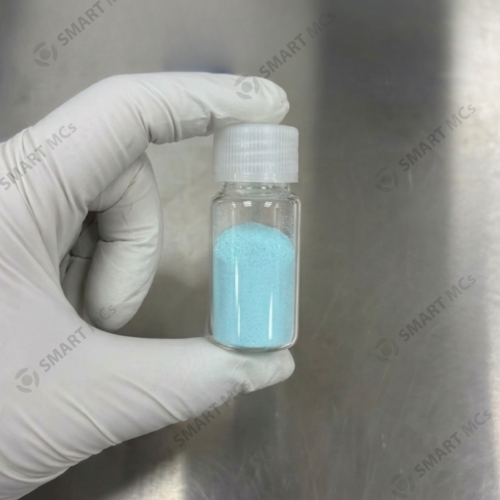
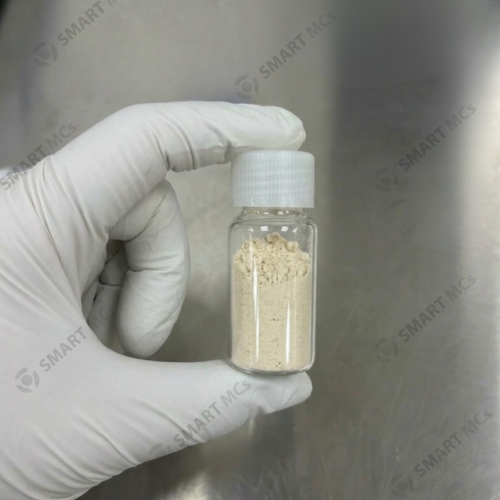
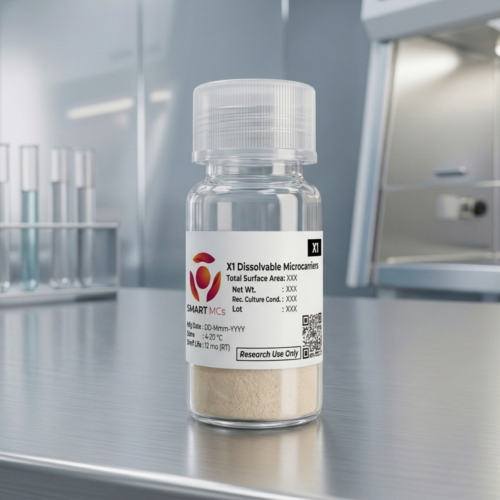
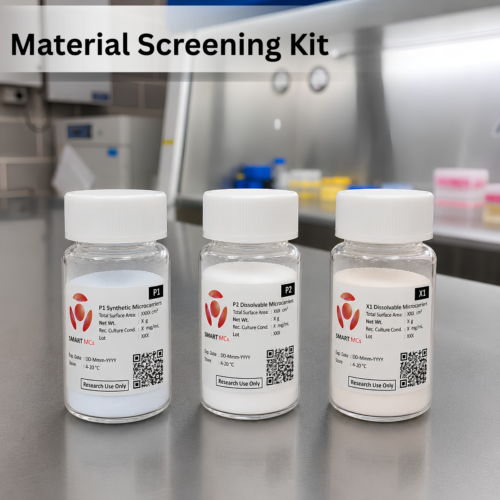
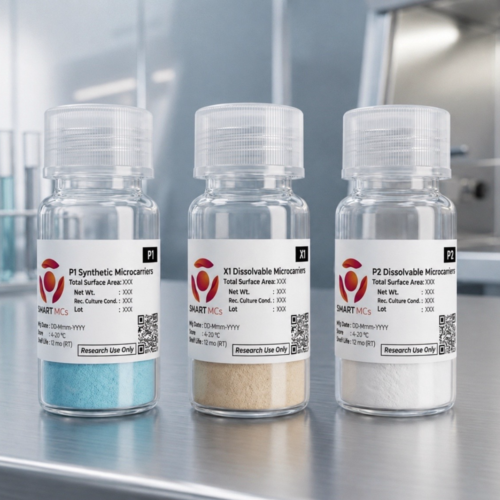
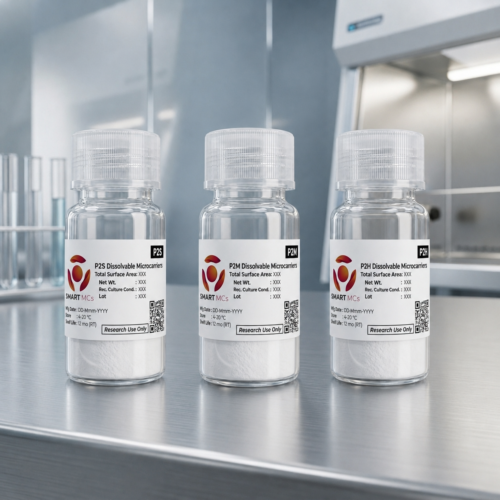
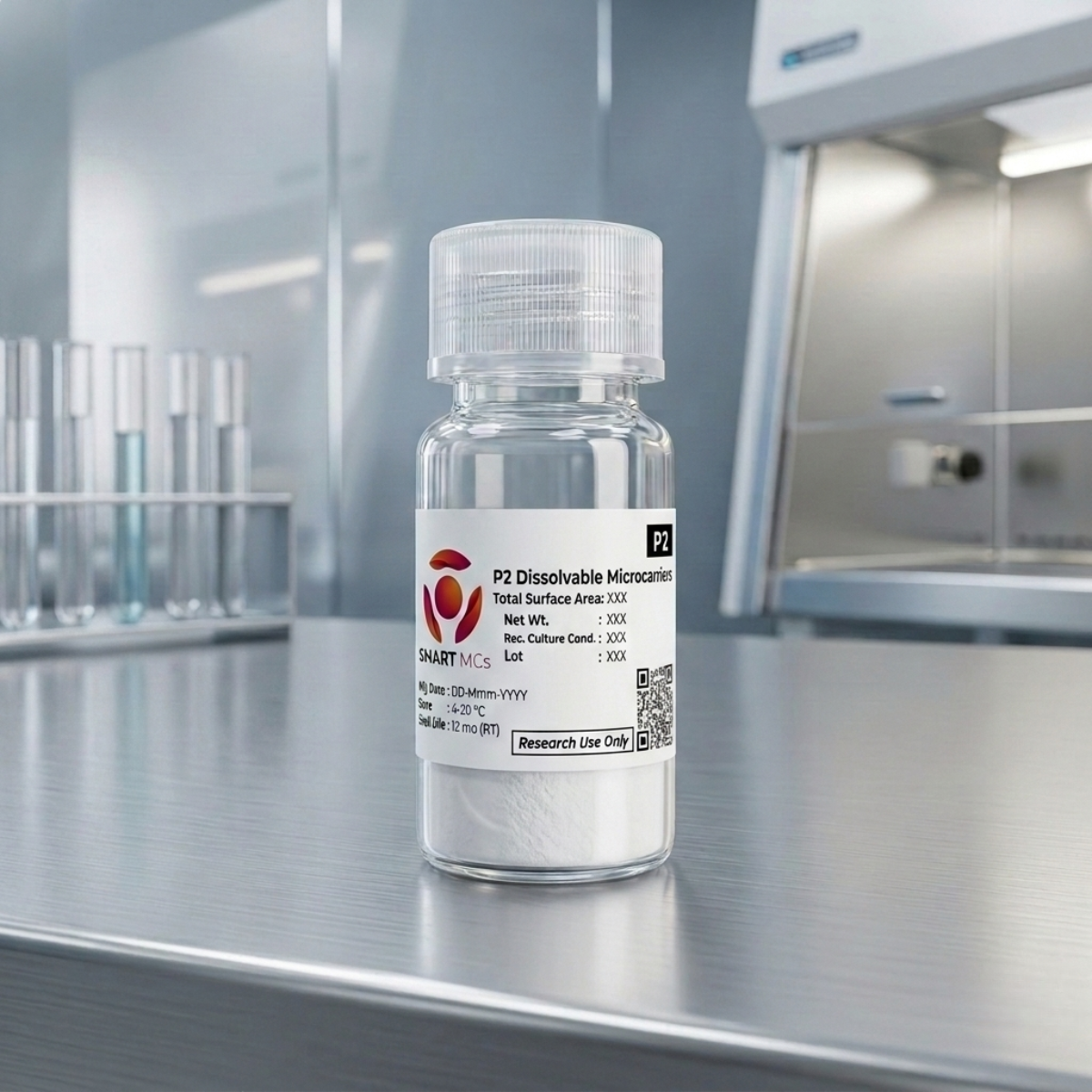
P2 dissolvable microcarriers are designed for scalable adherent cell culture and efficient cell recovery. Manufactured from a plant-based biopolymer, they dissolve rapidly using TrypLE together with our proprietary P2 Dissolving Buffer, eliminating the need for filtration or mechanical separation.
Available in both Research Grade and GMP Grade, P2 microcarriers are manufactured in line with USP <1043> guidance for ancillary materials, supporting regulated cell culture and biomanufacturing applications.
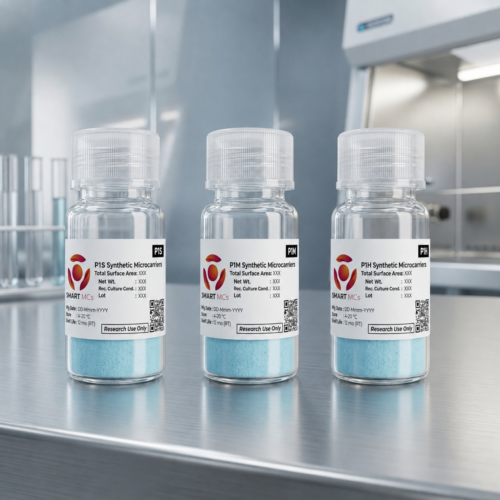
Available in Soft, Medium, and Hard stiffness profiles, P2 microcarriers can also be customised in particle size, surface charge, and coating to suit different cell types and process requirements.
To learn more about our manufacturing standards, traceability, and quality controls, visit our Quality Management System page.
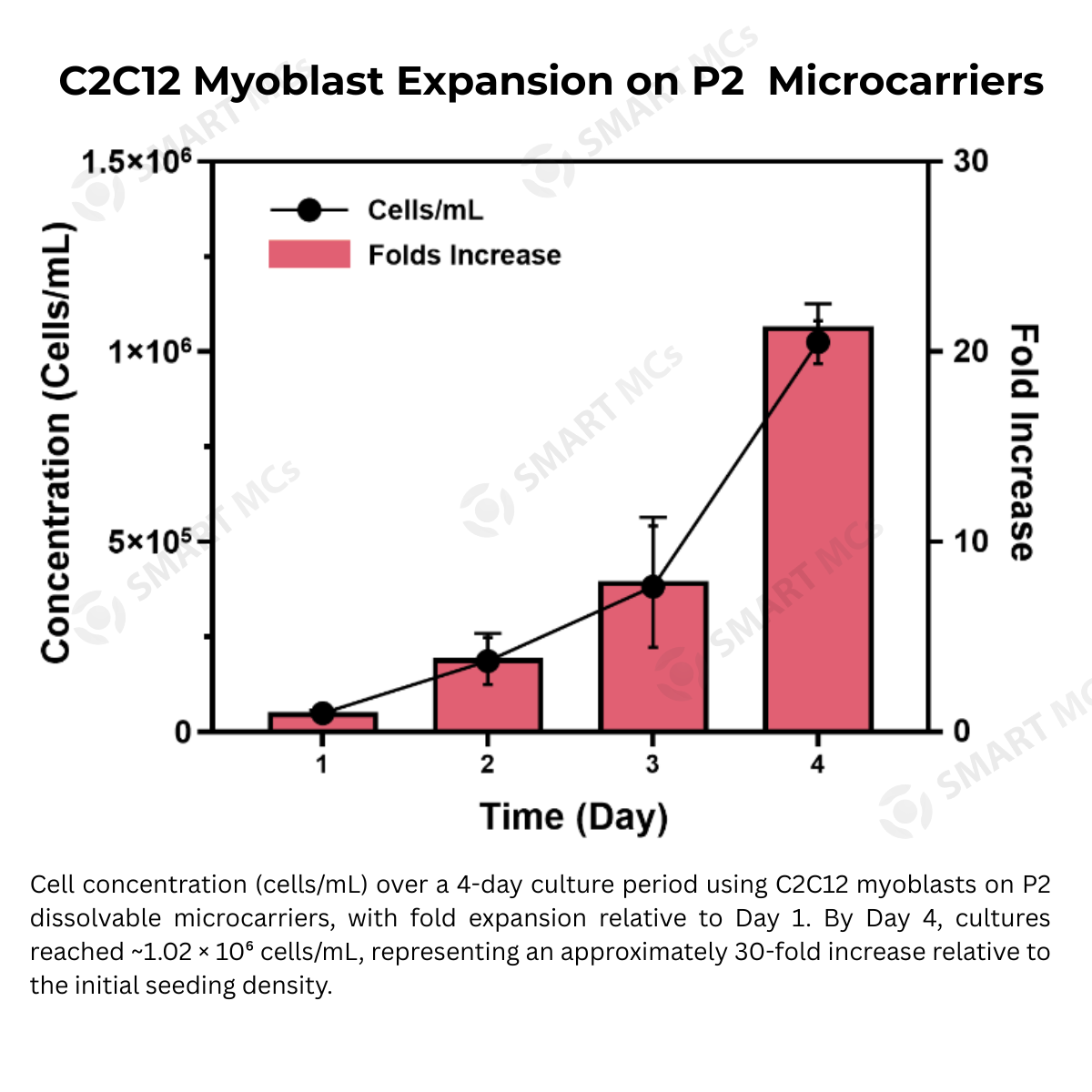
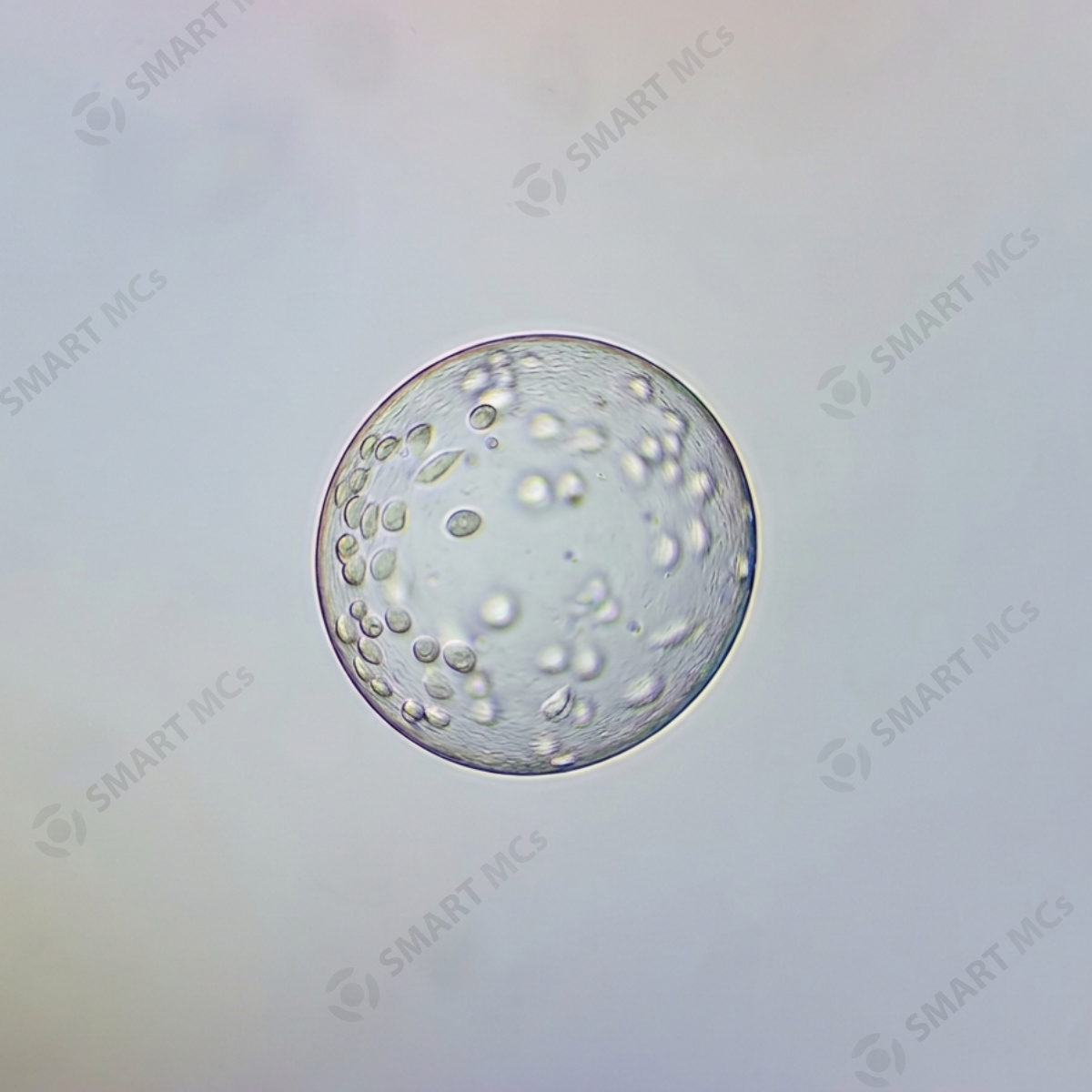
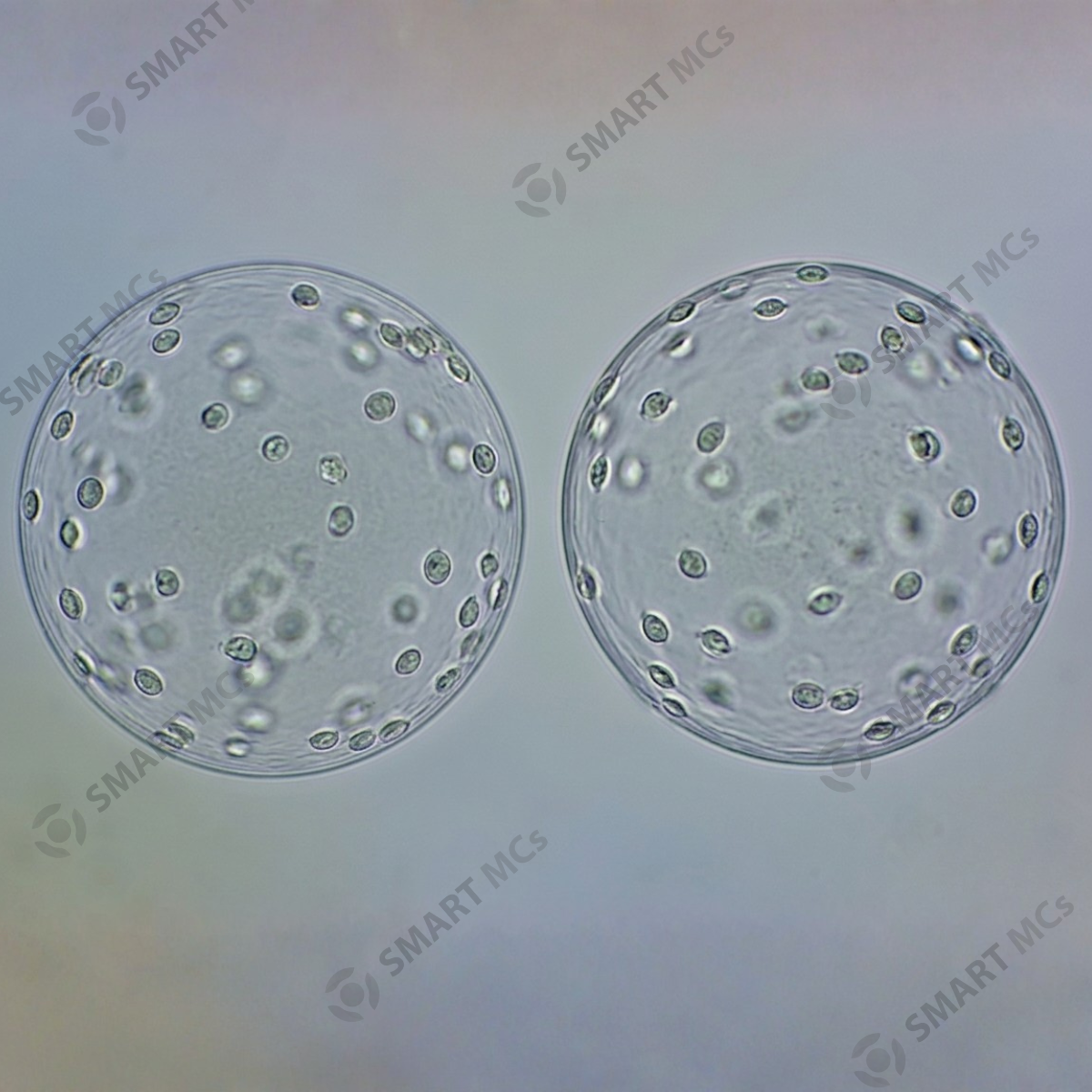
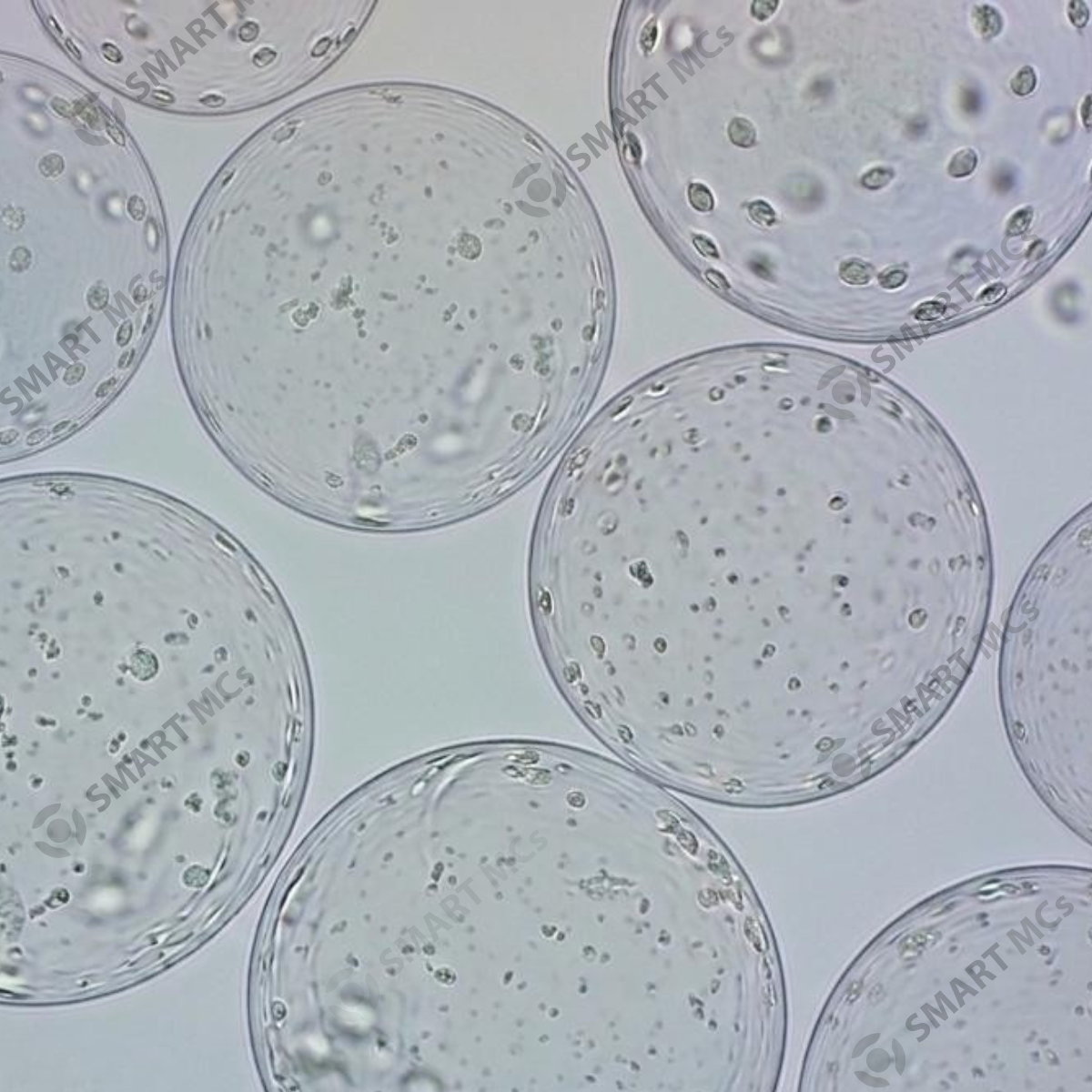
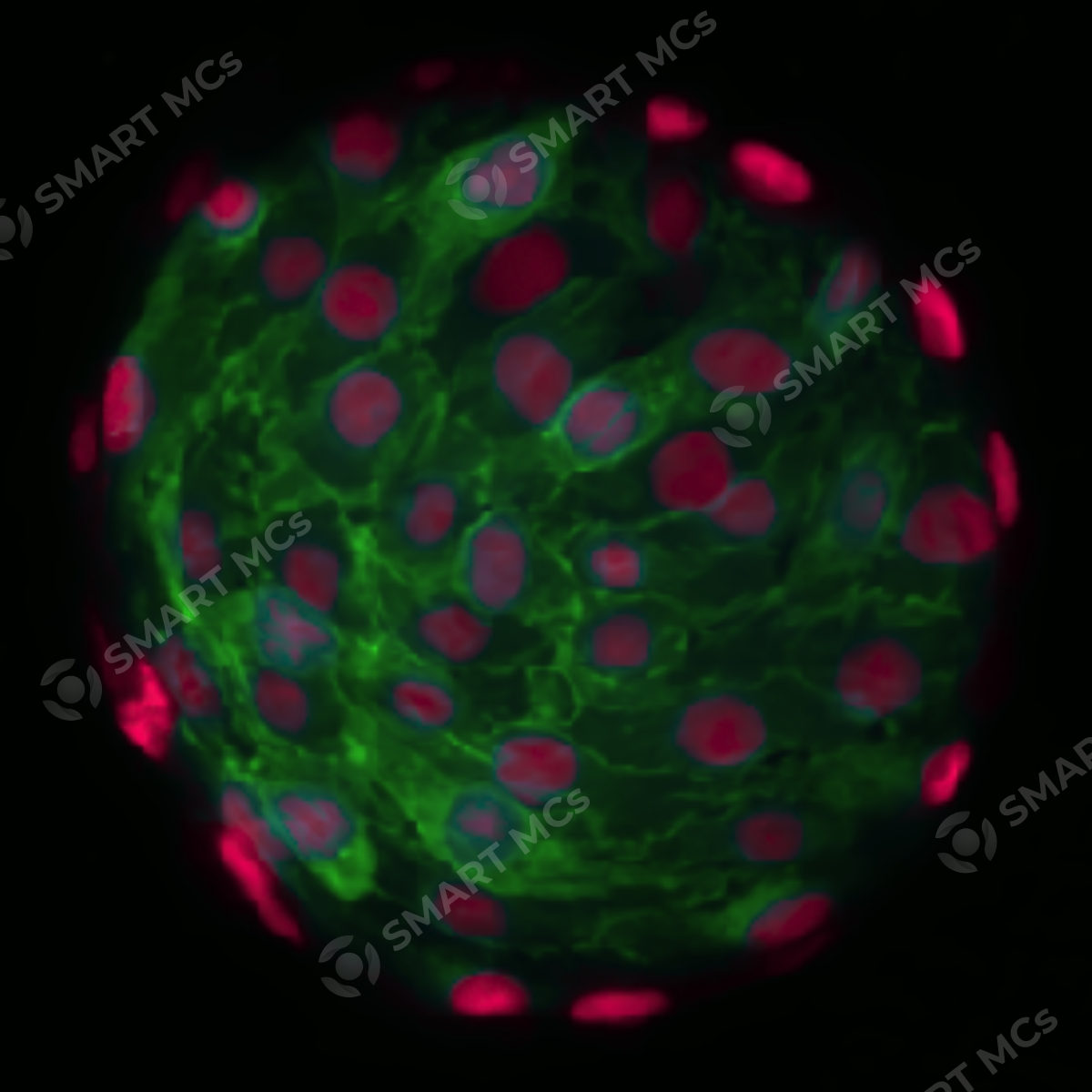
P2 dissolvable microcarriers have been evaluated in adherent cell culture using C2C12 myoblasts across both static and bioreactor conditions.
In this study, microcarriers were dissolved using Trypsin or TrypLE to enable recovery of cells without filtration or mechanical separation.
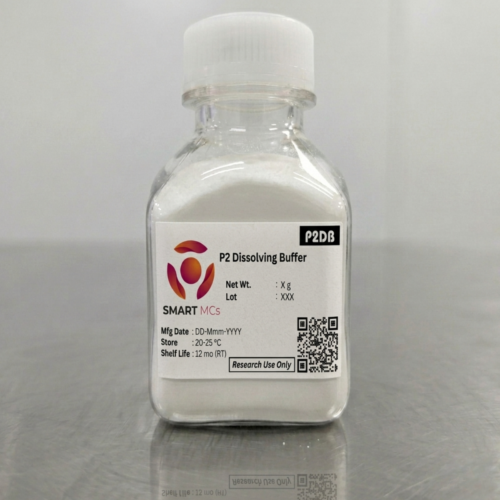
For P2 microcarriers, dissolution in <10 minutes can be achieved using TrypLE together with P2 Dissolving Buffer under optimised conditions.
P2 microcarriers are used in microcarrier-based cell culture to support the expansion of adherent cells. The dissolvable format allows removal of the microcarriers without additional separation steps, which can reduce handling and processing time.
The material and surface properties can be adjusted to suit different cell types and applications, including processes where gentle cell recovery is important.
P2 microcarriers can support research, process development, and GMP-grade manufacturing where traceability and quality documentation are required.
These dissolvable microcarriers are suitable for:
Compared to traditional microcarriers for cell culture, dissolvable systems allow removal of the carrier material without filtration. This can simplify workflows and support more efficient cell recovery, particularly in processes where handling steps need to be minimised.
P2 microcarriers are available in research-grade and GMP-grade formats, allowing users to select the appropriate option for their stage of development, from laboratory research to regulated biomanufacturing.
The development of fast-dissolving, xeno-free microcarriers for cell culture is described in published research:
Development of xeno-free, fast-dissolving microcarriers for scalable stem cell therapy applications
Journal of Cytotherapy (2025)
https://doi.org/10.1016/j.jcyt.2025.03.301
This study reports the development of P2 microcarriers for anchorage-dependent cell culture, demonstrating high cell attachment (~92%), rapid dissolution (as fast as ~3–10 minutes), and efficient cell recovery without mechanical separation.
The results highlight the suitability of dissolvable microcarriers for scalable cell culture, stem cell therapy, and biomanufacturing applications, with tunable properties such as stiffness influencing cell behaviour and productivity.
| Information | Details |
|---|---|
| Dispatch Schedule | Orders are dispatched every Friday. |
| Order Cut-Off | Orders for in-stock P2 microcarriers received by End of Day Wednesday (Sydney, Australia) are eligible for Friday dispatch, subject to product availability. |
| Estimated Dispatch | Up to 20,000 cm²: Friday dispatch* 20,001–100,000 cm²: Typically dispatched within 2 weeks. Contact us for larger or customised orders and to discuss delivery timelines. |
| Custom P2 Microcarriers | Orders requiring customised particle size, stiffness, surface charge, or specialised coatings are manufactured to order. Typical dispatch is 4–6 weeks, depending on the scope of the customisation. |
| Shipping Within Australia | Orders are shipped via Australia Post. |
| International Shipping | Orders are shipped via DHL Express. |
| Alternative Shipping | FedEx shipping is available upon request. |
*Friday dispatch is subject to product availability.
| Material Composition | Plant-based biopolymer core with xeno-free or animal-derived coatings |
|---|---|
| Surface Coating Options | Medical Grade Porcine Gelatine, Xeno-Free Coating, Synthetic Coating (Coming Soon) |
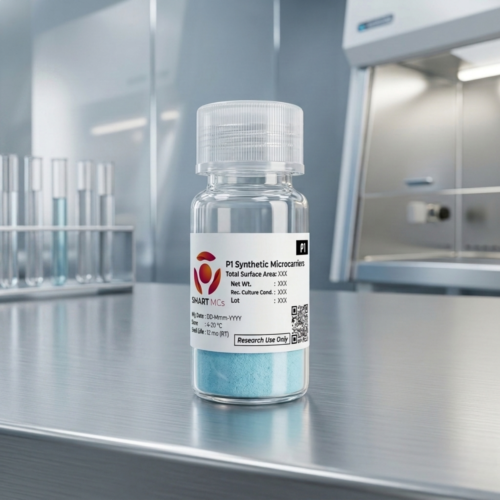
| Material Form | Freeze-dried powder (supplied based on surface area) |
| Stiffness | Soft, Medium, and Hard (customisable: 3-100kPa) |
| Particle Size | 160-260 µm (customisable) |
| Surface Charge | Customisable |
| Dissolvability | Rapid dissolution using TrypLE and our proprietary P2 Dissolving Buffer |
| Sterilisation | Autoclave, heat, or gamma irradiation |
| Grade Availability | Research grade, Food Grade and GMP-compliant options (See Quality Page) |
| Certicate of Analysis | Provided |
| Available Surface Area | 5,000 cm^2, 20,000 cm^2, 50,000 cm^2, 100,000 cm^2, 500,000 cm^2, 2,500,000 cm^2, 5,000,000 cm^2, 10,000,000 cm^2, 20,000,000 cm^2 |