Key Features
Request a quote for custom screening kits, larger screening quantities, or GMP-grade products.

The Material Screening Kit is designed to help researchers identify the most suitable Smart MCs microcarrier family for their cell type and application before beginning process optimisation or scale-up.
Cell attachment, expansion, and harvesting performance can vary depending on the underlying microcarrier material and coating chemistry. To simplify the initial evaluation, the kit includes medium-stiffness versions of each Smart MCs microcarrier family, allowing researchers to compare material performance while keeping stiffness consistent across all samples.
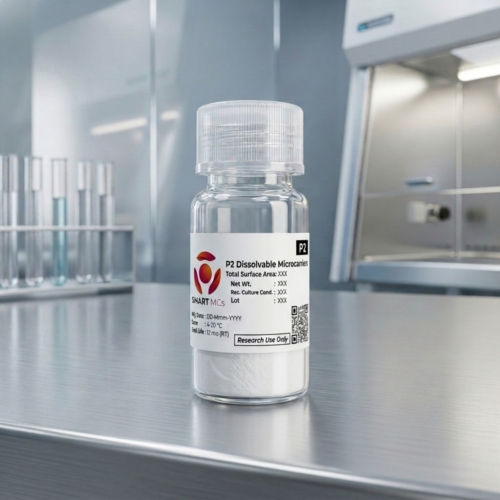
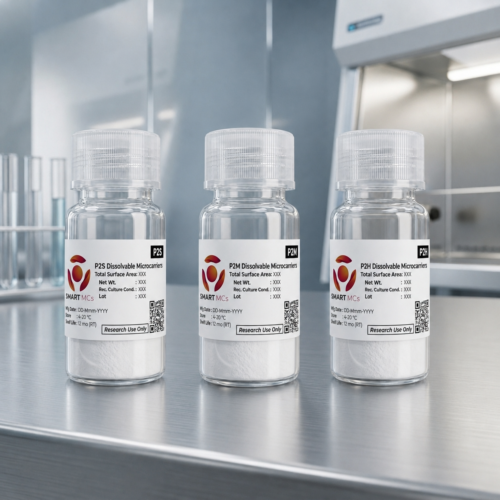
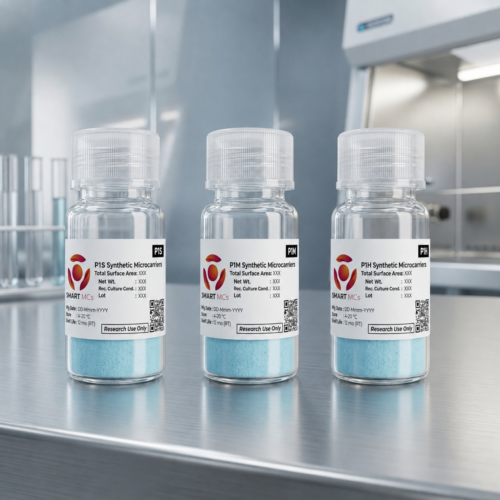
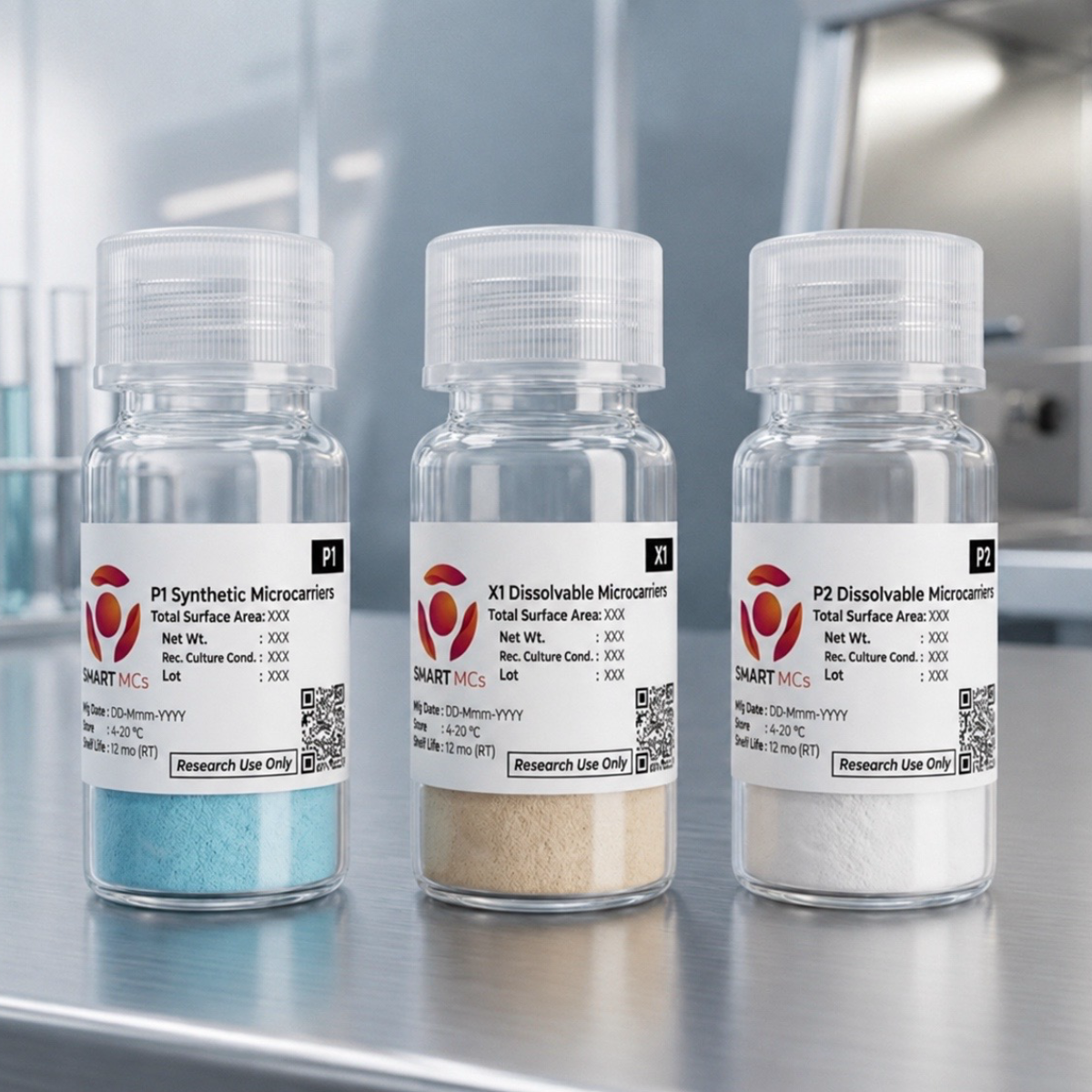
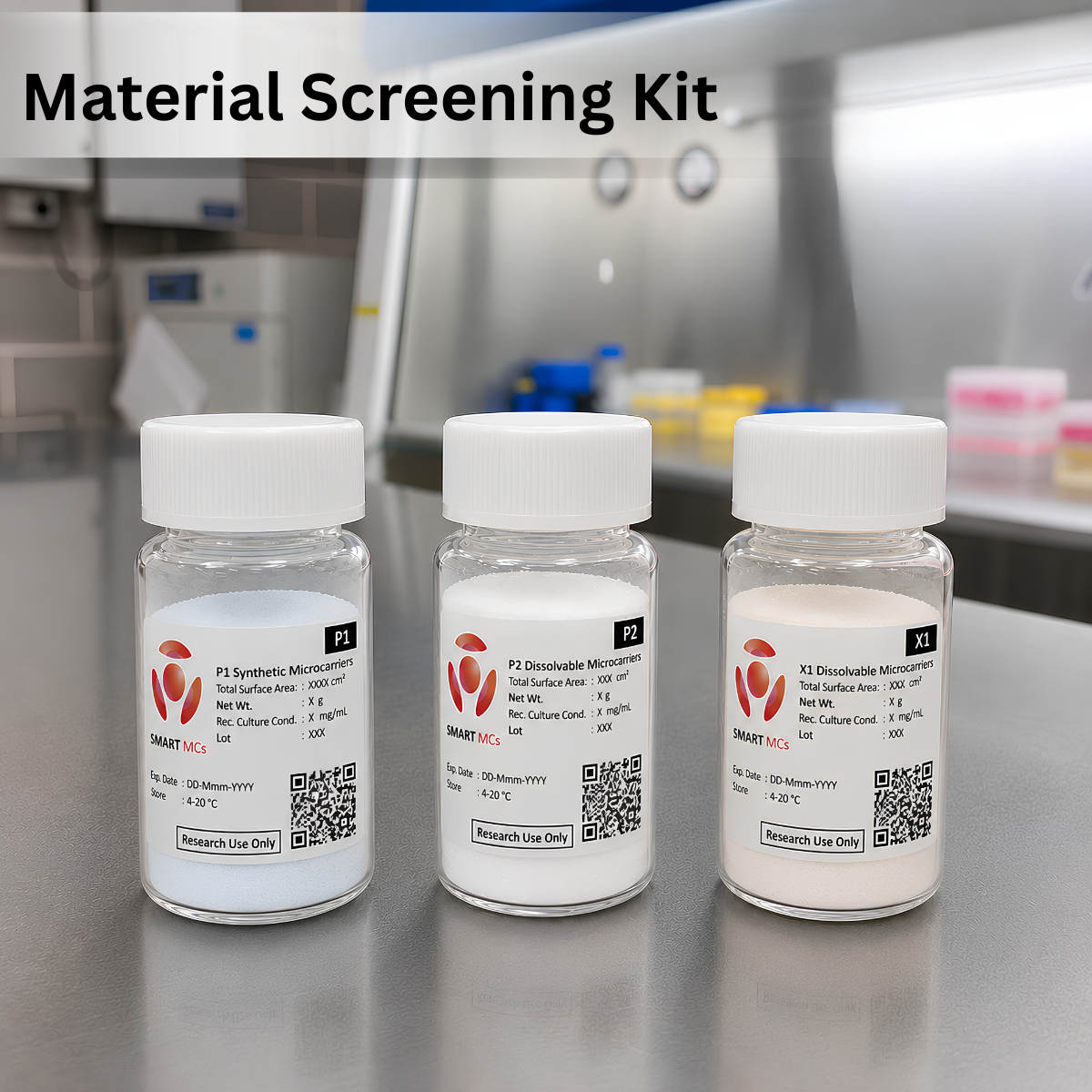
The kit includes X1M, P1M, and P2M microcarriers. For P2M, customers can choose either a Medical Grade Gelatine coating or a Xeno-Free coating to suit their research or manufacturing needs.
Two kit sizes are available to support both early-stage feasibility studies and larger process development programs.
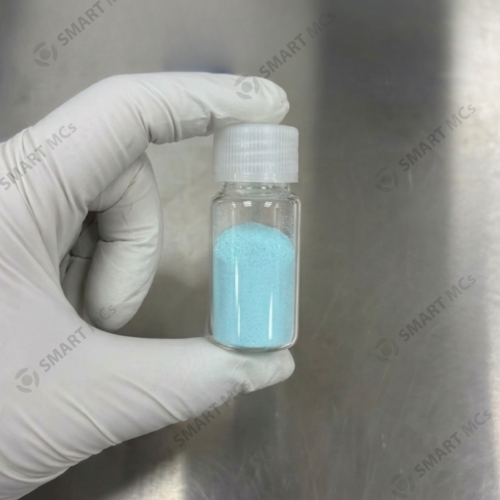
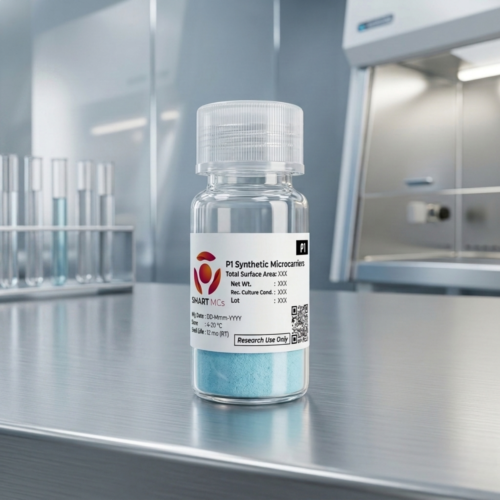
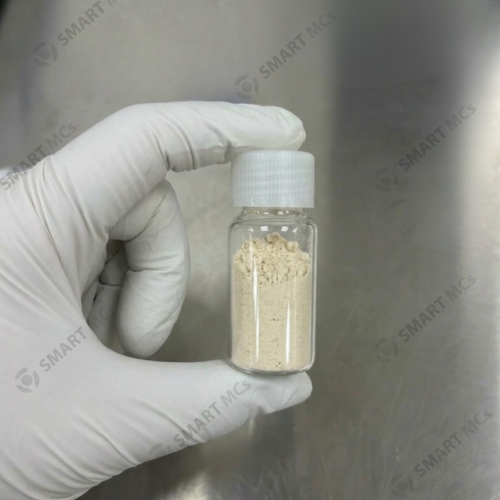
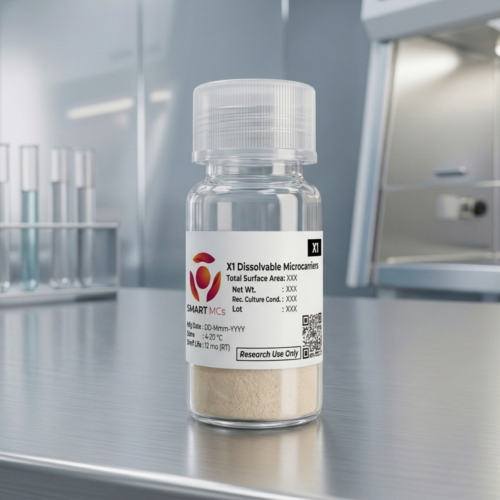
Each Material Screening Kit includes the following medium-stiffness Smart MCs microcarriers:
| SKU | P2M Coating | Kit Size | Total Growth Surface Area |
|---|---|---|---|
| MSK-AM-500 | Medical Grade Gelatine | 500 cm² | 1,500 cm² |
| MSK-XF-500 | Xeno-Free | 500 cm² | 1,500 cm² |
| MSK-AM-5.5K | Medical Grade Gelatine | 5,500 cm² | 16,500 cm² |
| MSK-XF-5.5K | Xeno-Free | 5,500 cm² | 16,500 cm² |
All microcarriers are supplied in their medium stiffness profile to provide a consistent basis for comparing material performance using your own cells.
We recommend beginning all new microcarrier evaluations with the Material Screening Kit.
Evaluate the medium-stiffness versions of the Smart MCs microcarrier families using your own cells to determine which material and coating best support cell attachment, expansion, and recovery.
Once the preferred microcarrier family has been identified, evaluate Soft, Medium, and Hard stiffness profiles within that material to optimise cell performance.
Following material selection and stiffness optimisation, additional parameters, including particle size, surface charge, coating chemistry, and grade, can be tailored to suit your research or manufacturing workflow.
The Material Screening Kit allows researchers to compare the key characteristics of each Smart MCs microcarrier family before progressing to optimisation studies.
| Feature | P1 | X1 | P2 |
|---|---|---|---|
| Material | Synthetic polymer | Gelatin-based | Plant-based biopolymer |
| Dissolvable | No | Yes | Yes |
| Harvest Method | Standard separation | TrypLE or Trypsin | TrypLE + P2 Dissolving Buffer |
| Typical Dissolution | N/A | 20–30 minutes | <10 minutes |
| Coating Options | User-applied | Native gelatin | Medical Grade Gelatine or Xeno-Free |
| Customisation | Size, stiffness, charge | Size, stiffness, coatings | Size, stiffness, coatings |
The Material Screening Kit is suitable for:
Selecting the appropriate microcarrier family early can reduce development time and streamline process optimisation.
The Material Screening Kit enables researchers to:
| Information | Details |
|---|---|
| Dispatch Schedule | Orders are dispatched every Friday. |
| Order Cut-Off | Orders for in-stock products received by End of Day Wednesday (Sydney, Australia) are eligible for Friday dispatch, subject to product availability. |
| Estimated Dispatch | Standard Material Screening Kits: Friday dispatch* Contact us for larger or customised screening kits and to discuss delivery timelines. |
| Shipping Within Australia | Orders are shipped via Australia Post. |
| International Shipping | Orders are shipped via DHL Express. |
| Alternative Shipping | FedEx shipping is available upon request. |
*Friday dispatch is subject to product availability.
| Purpose | Initial screening of Smart MCs microcarrier families to identify the most suitable material for specific cell types and applications |
|---|---|
| Included Stiffness | Medium stiffness for all included microcarrier families |
| Total Available Surface Area | Approximately 5,500 cm² |
| Particle Size | 160-260 µm (customisable) |
| Material Platforms | Gelatin-based, Synthetic Polymer, and Plant-based Biopolymer |
| Surface Coating Options | Animal-derived and Xeno-Free/Human Protein-coated P2M microcarriers included |
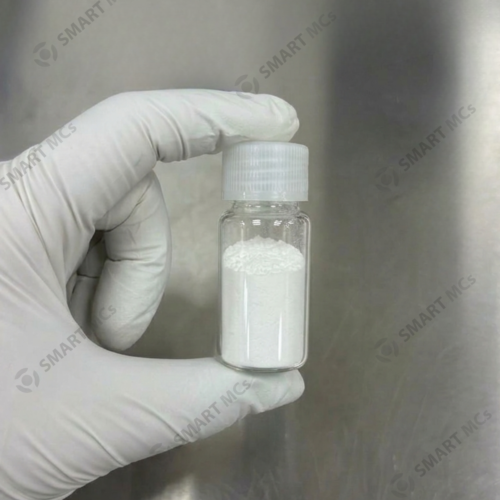
| Material Form | Freeze-dried powder (supplied based on surface area) |
| Customisation Available | Soft, Medium, and Hard stiffness profiles, particle size, surface charge, coatings, and custom formulations available following material selection |
| Grade Availability | Research and GMP Grade |
| Certificate of Analysis | Provided for each included microcarrier |
| Kit Contents | X1M, P1M, P2M (Medical Grade Gelatine Coating), X1M, P1M, P2M (Xeno-Free Coating) |
| Available Kit Sizes | 500 cm² each of P1M, P2M, and X1M microcarriers (1,500 cm² total), 5,500 cm² each of P1M, P2M, and X1M microcarriers (16,500 cm² total). |