Key Features
Request a quote for larger orders or GMP supply. Package sizes are available up to 20,000,000 cm² of growth surface area with no order size limit.

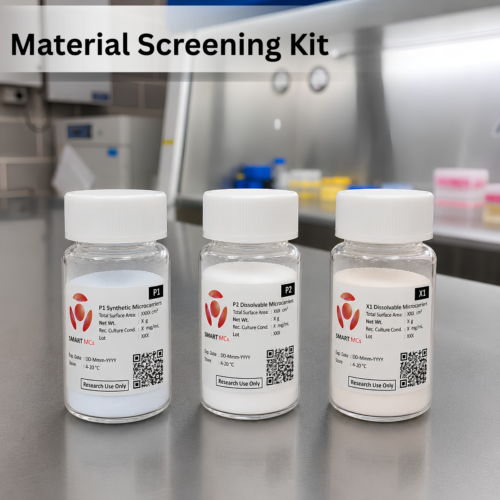
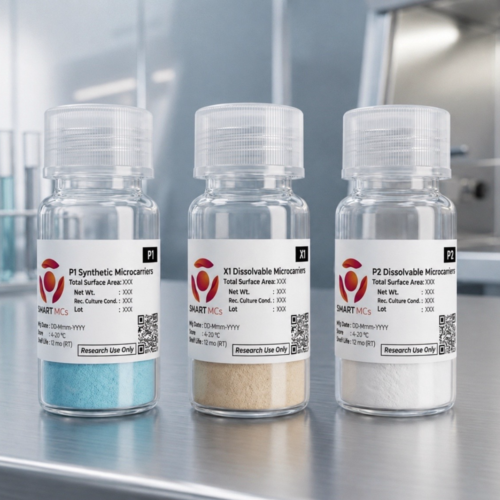
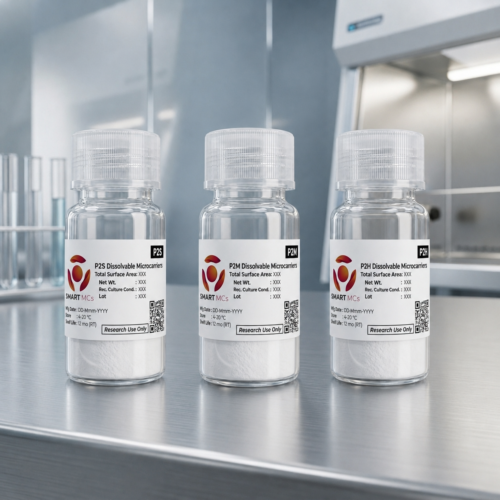
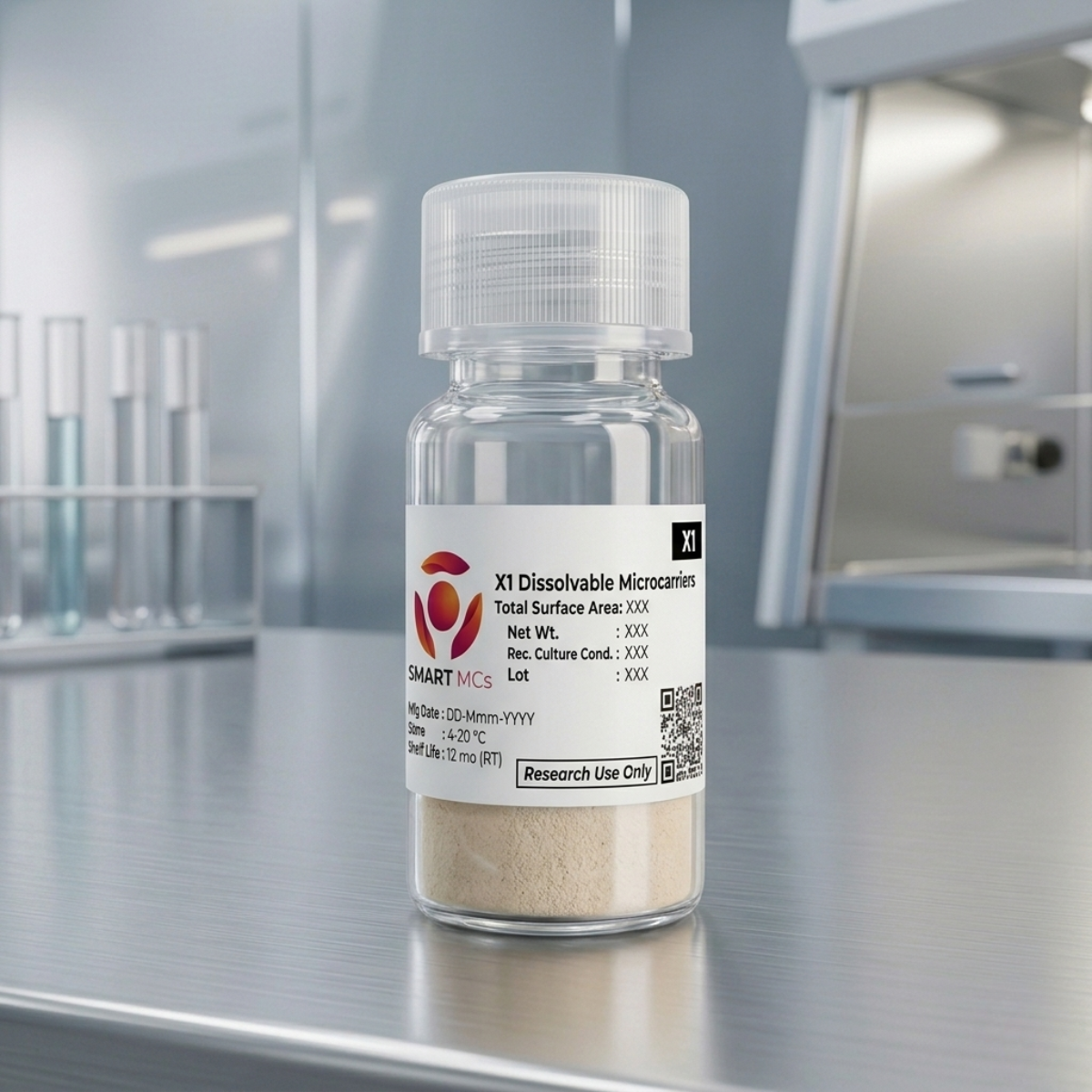
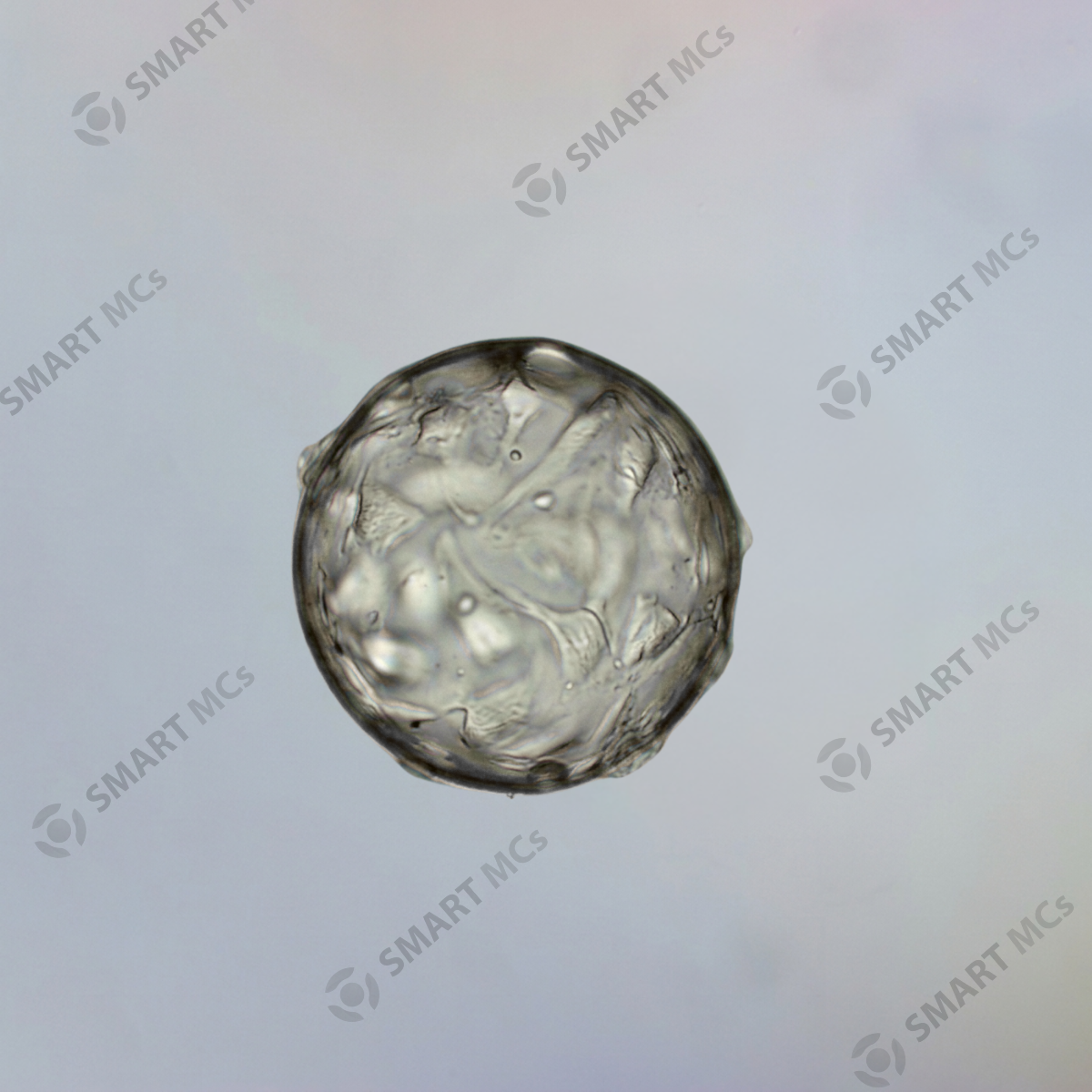
X1 dissolvable microcarriers are designed for scalable adherent cell culture and efficient cell recovery. Manufactured from gelatin, they provide a biologically derived surface that supports robust cell attachment and expansion across a wide range of adherent cell types.
Available in both Research Grade and GMP Grade, X1 microcarriers are manufactured in line with USP <1043> guidance for ancillary materials, supporting regulated cell culture and biomanufacturing applications.
X1 dissolves using TrypLE or Trypsin, enabling efficient cell recovery without filtration or mechanical separation. Available in Soft, Medium, and Hard stiffness profiles, X1 microcarriers can also be customised in particle size, surface charge, and coating to suit different cell types and process requirements.
To learn more about our manufacturing standards, traceability, and quality controls, visit our Quality Management System page.
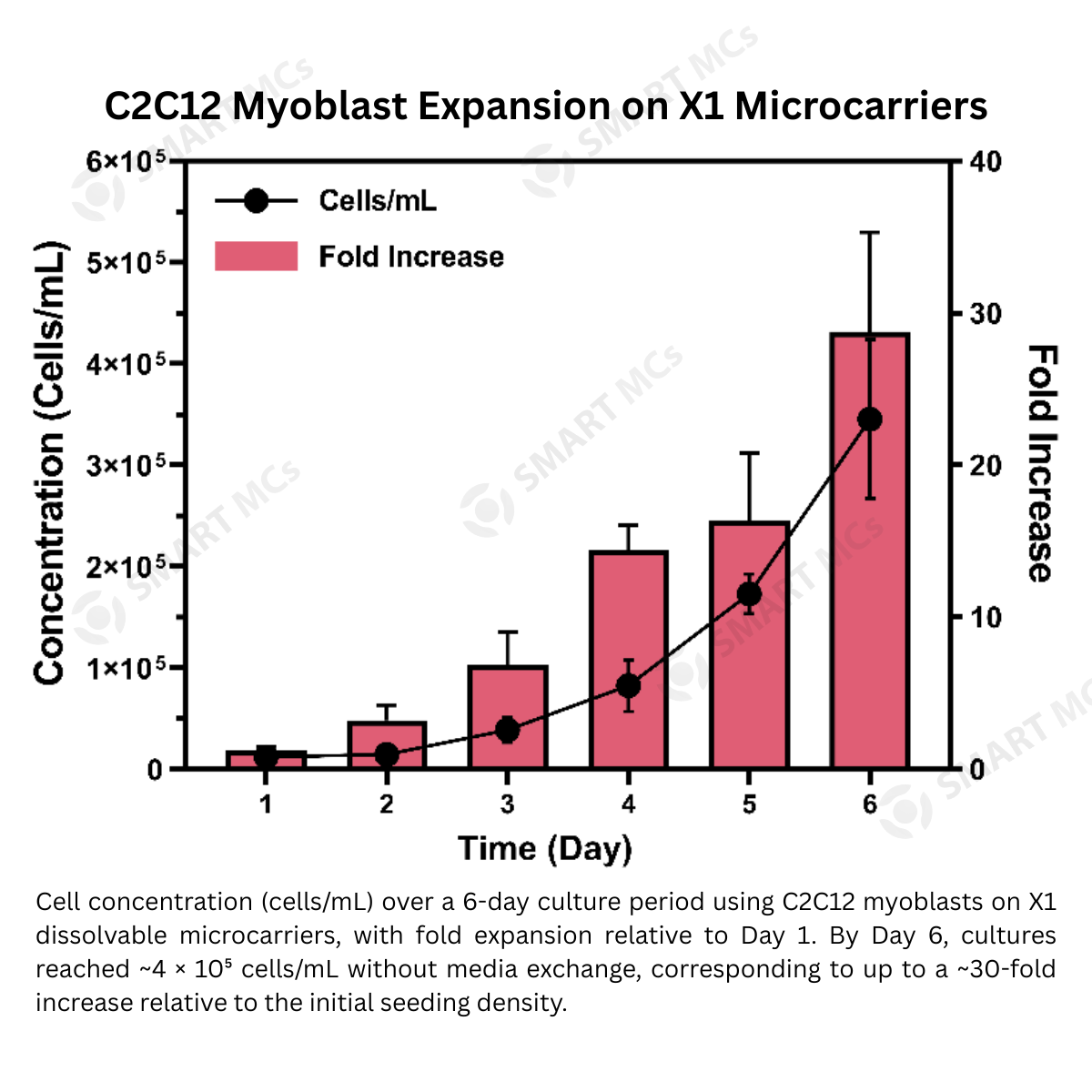
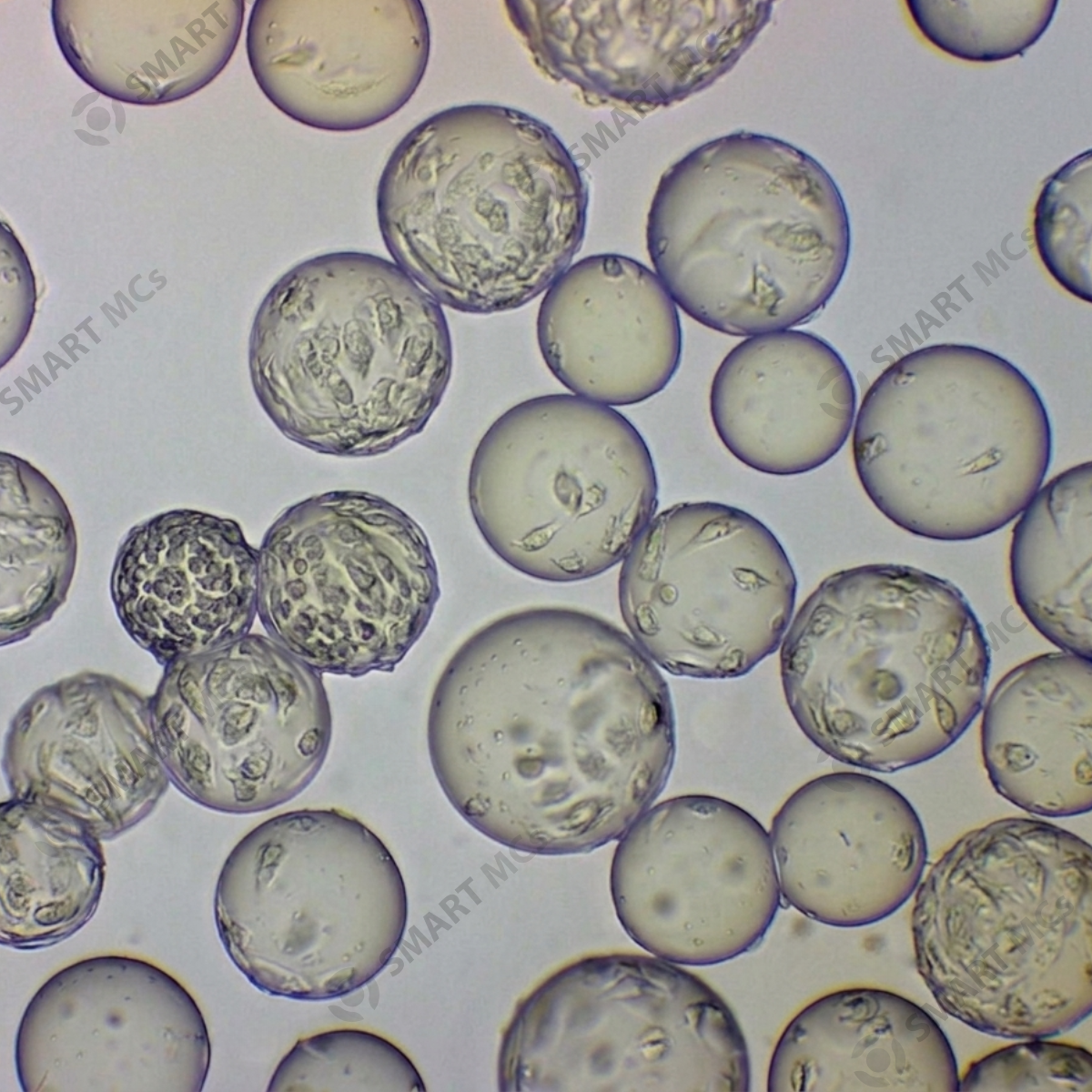
X1 dissolvable microcarriers have been evaluated in adherent cell culture using C2C12 myoblasts across both static and bioreactor conditions.
Dissolution using TrypLE or Trypsin enables recovery of cells as a single-cell suspension without the need for filtration or mechanical separation.
X1 microcarriers are used in microcarrier-based cell culture where a biologically derived surface is preferred for cell attachment and growth. The gelatin composition supports adhesion across multiple cell types without the need for complex surface modification.
As dissolvable microcarriers, X1 can be removed through enzymatic digestion, allowing recovery of cells without filtration. This approach can reduce processing steps in workflows where enzymatic treatment is already part of the process.
X1 microcarriers can support research, process development, and GMP-grade manufacturing where traceability and quality documentation are required.
These dissolvable microcarriers are suitable for:
Gelatin-based microcarriers for cell culture provide a biologically derived surface that supports attachment of a wide range of adherent cells. X1 is suited to applications where enzymatic harvesting is acceptable and where a familiar extracellular matrix-like environment is beneficial.
The development and performance of dissolvable microcarriers for cell culture is supported by published research on tunable microcarrier systems:
Maximising adherent cell production via customisable and dissolvable bio-polymer microcarriers
Biomedical Materials (2025)
https://doi.org/10.1088/1748-605X/adf1cd
This study evaluates dissolvable microcarriers for adherent cell expansion in bioreactor systems. The microcarriers are tunable in terms of stiffness, size, and surface properties, enabling optimisation across different cell types and bioprocessing conditions.
The study reports improved cell productivity and scalability compared to conventional non-dissolvable microcarriers, highlighting the role of substrate properties such as stiffness in influencing cell growth and yield.
| Information | Details |
|---|---|
| Dispatch Schedule | Orders are dispatched every Friday. |
| Order Cut-Off | Orders for in-stock X1 microcarriers received by End of Day Wednesday (Sydney, Australia) are eligible for Friday dispatch, subject to product availability. |
| Estimated Dispatch | Up to 100,000 cm²: Friday dispatch* 100,001–500,000 cm²: Typically dispatched within 2 weeks. 500,001–20,000,000 cm²: Typically dispatched within 6 weeks. Contact us for larger or customised orders and to discuss delivery timelines. |
| Custom X1 Microcarriers | Orders requiring customised particle size, stiffness, surface charge, or specialised coatings are manufactured to order. Typical dispatch is 4–6 weeks, depending on the scope of the customisation. |
| Shipping Within Australia | Orders are shipped via Australia Post. |
| International Shipping | Orders are shipped via DHL Express. |
| Alternative Shipping | FedEx shipping is available upon request. |
*Friday dispatch is subject to product availability.
| Material Composition | Gelatin-based |
|---|---|
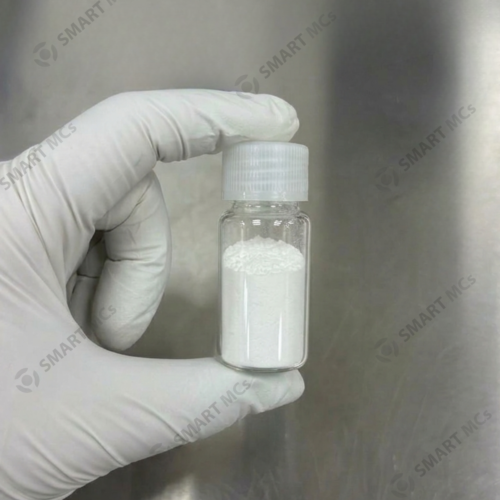
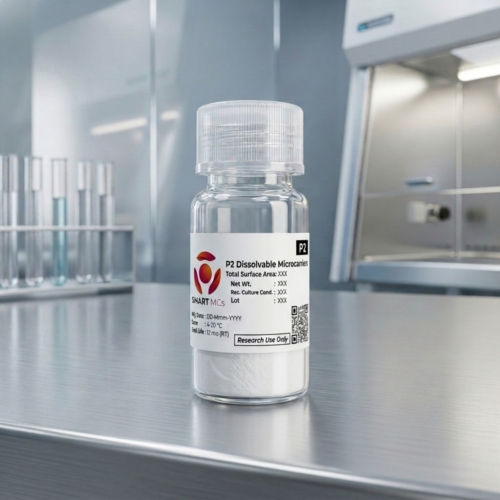
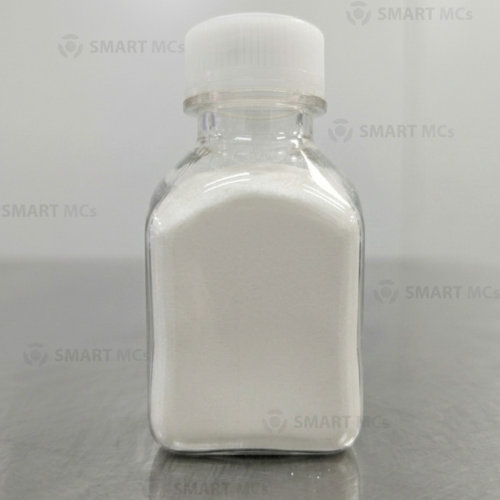
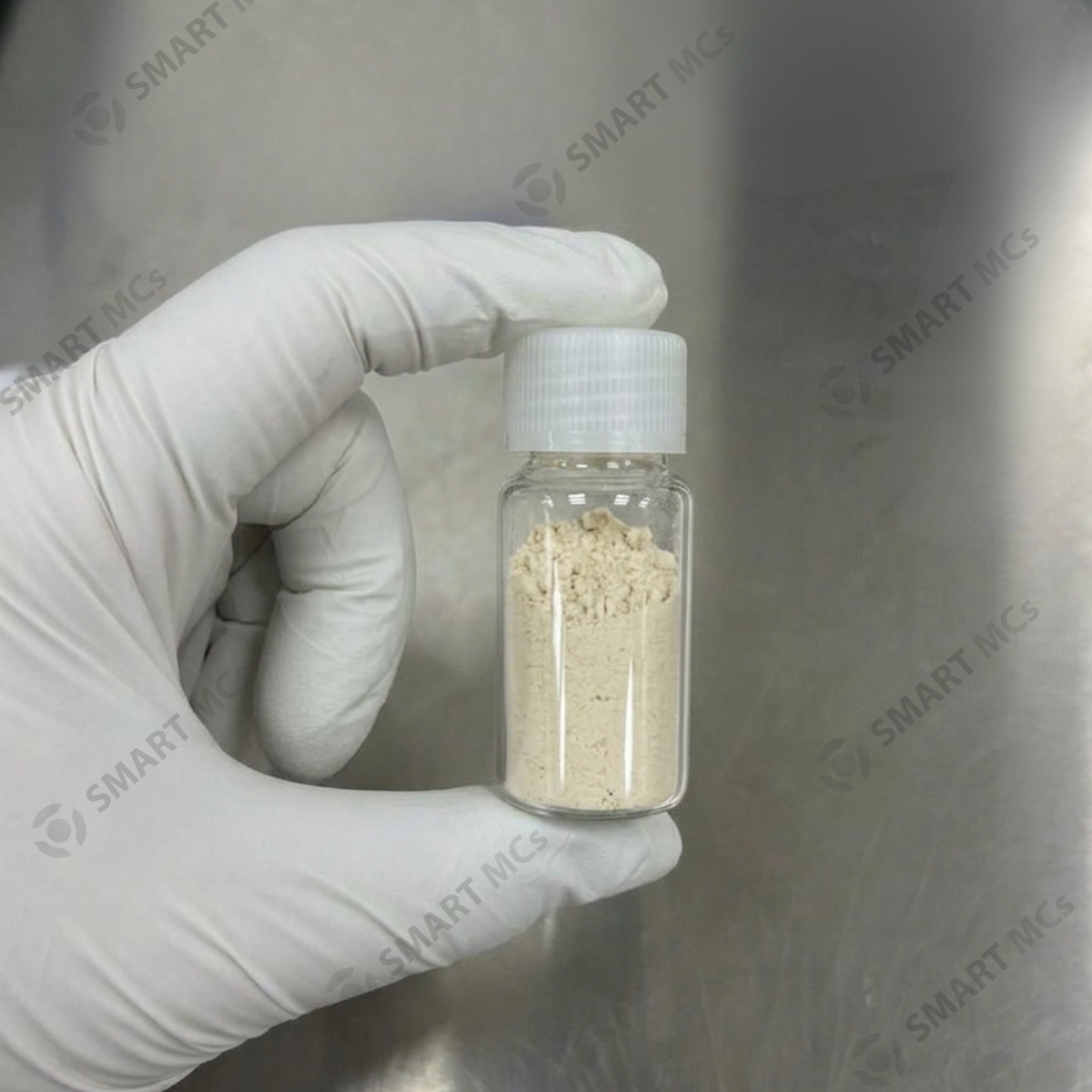
| Material Form | Freeze-dried powder (supplied based on surface area) |
| Stiffness | Soft, Medium, and Hard (customisable) |
| Particle Size | 100–150 µm (customisable) |
| Surface Charge | Optional |
| Dissolvability | Yes – enzymatic digestion using TrypLE or Trypsin (20–30 minutes) |
| Chemical Removal | Bleach or sodium hydroxide |
| Sterilisation | Autoclave, heat, or gamma irradiation |
| Grade Availability | Research grade, Food Grade and GMP-compliant options (See Quality Page) |
| Certificate of Analysis | Provided |
| Available Surface Area | 5,000 cm^2, 20,000 cm^2, 50,000 cm^2, 100,000 cm^2, 500,000 cm^2, 2,500,000 cm^2, 5,000,000 cm^2, 10,000,000 cm^2, 20,000,000 cm^2 |