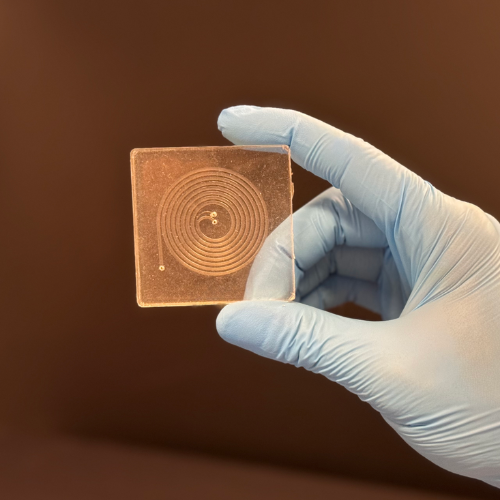
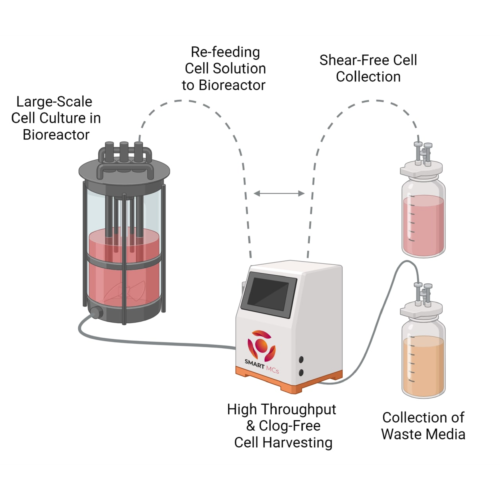
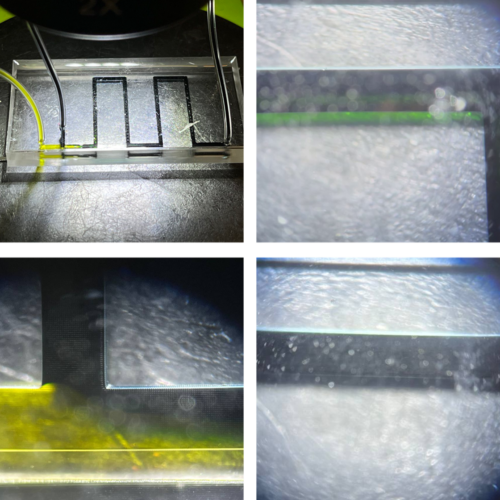
Description
Why Use Label-Free CTC Isolation?
- Label-Free Sorting – No antibodies or biomarkers required
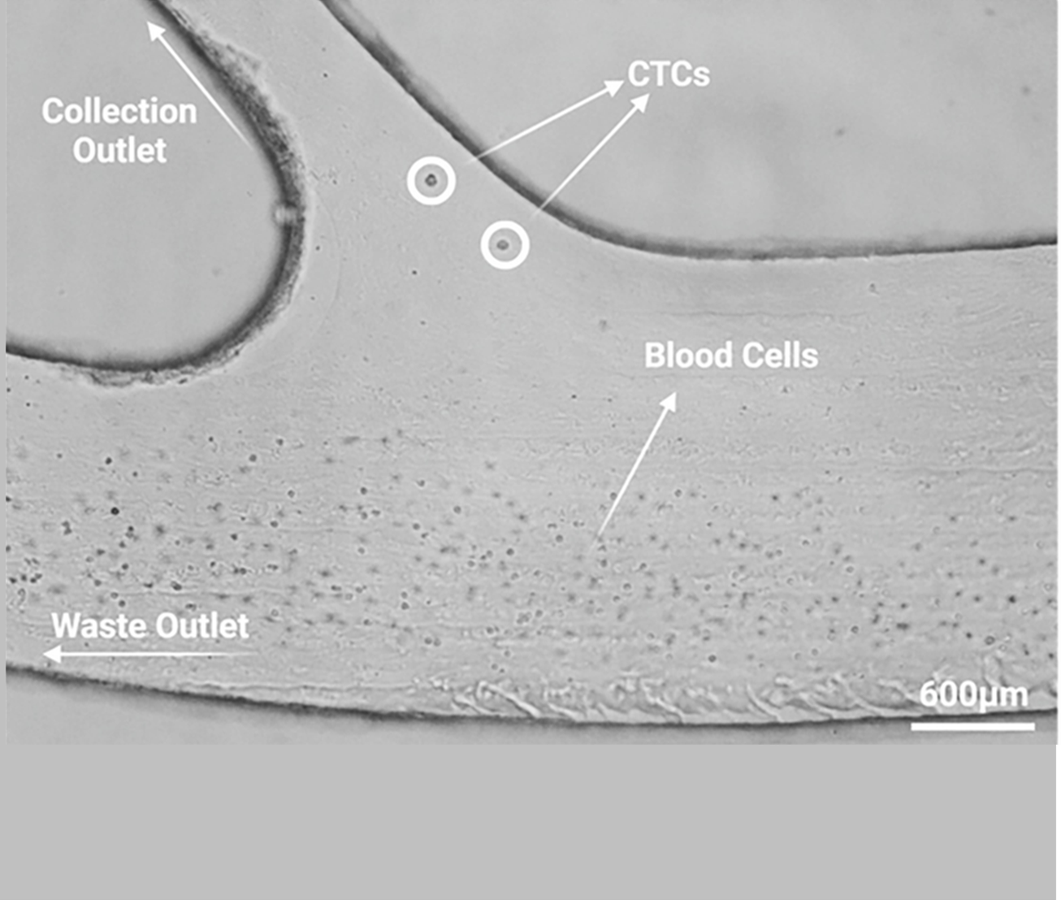
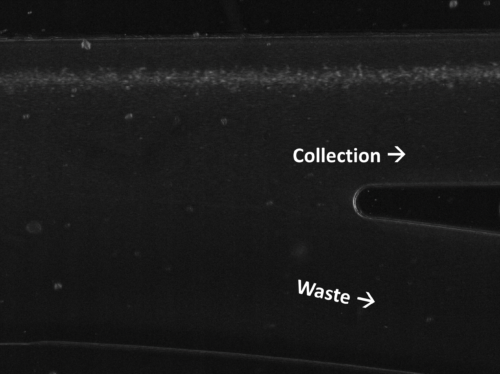
- Size-Based Separation – Enrichment of ~15 µm CTCs from ~10 µm blood cells
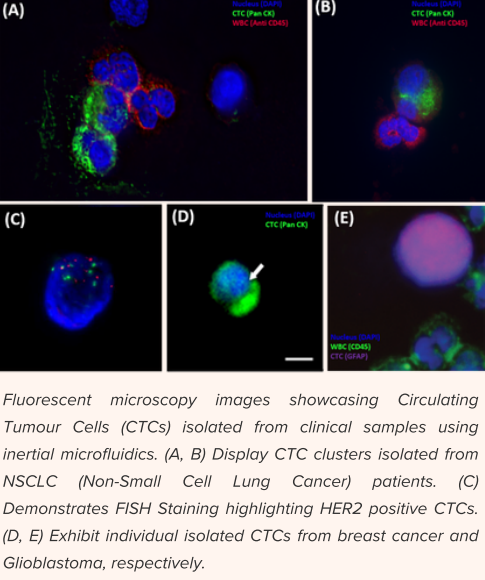
- CTC and Cluster Isolation – Suitable for both single cells and multicellular clusters
- Gentle Processing – Designed to minimise shear stress on cells
- Streamlined Workflow – Rapid processing with minimal handling steps
- Disposable Format – Single-use device suitable for sterile applications
Performance Features
- High Sample Purity – Up to ~4 log depletion of white blood cells (application dependent)
- Cell Viability Preservation – Suitable for post-isolation characterisation
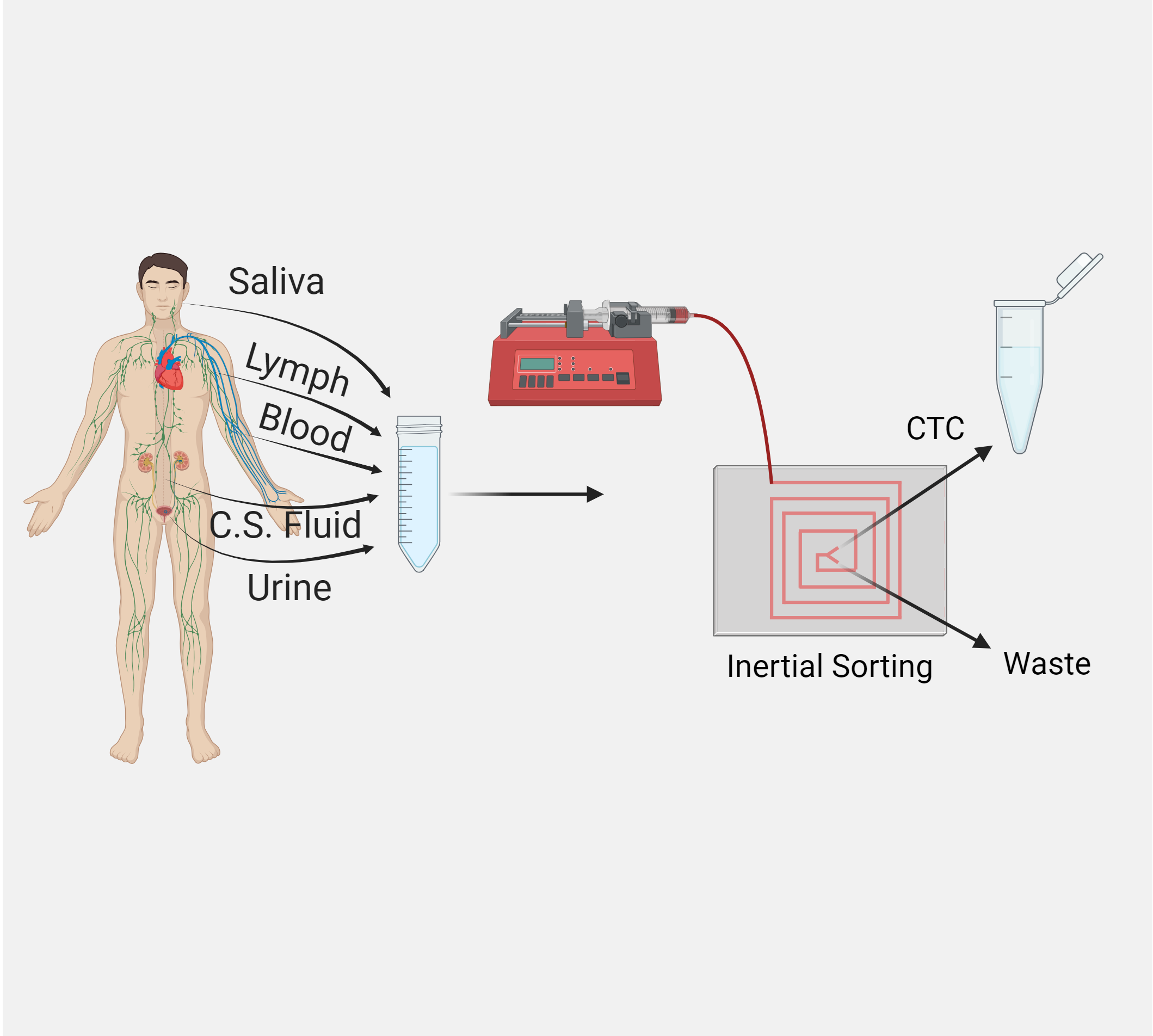
- Broad Sample Compatibility – Blood, urine, saliva, and other biological fluids
Applications
- CTC Isolation from Peripheral Blood – Enrichment of circulating tumour cells
- Liquid Biopsy Research – Sample preparation for cancer diagnostics research
- Cancer Biology – Study of metastasis, tumour heterogeneity, and CTC clusters
- Downstream Analysis – Compatible with molecular, phenotypic, and imaging assays
Related Publication
The underlying microfluidic approach is supported by published research demonstrating high-throughput droplet-based analysis of circulating tumour cells:
Rapid metabolomic screening of cancer cells via high-throughput static droplet microfluidics
Biosensors and Bioelectronics (2023)
https://doi.org/10.1016/j.bios.2022.114966
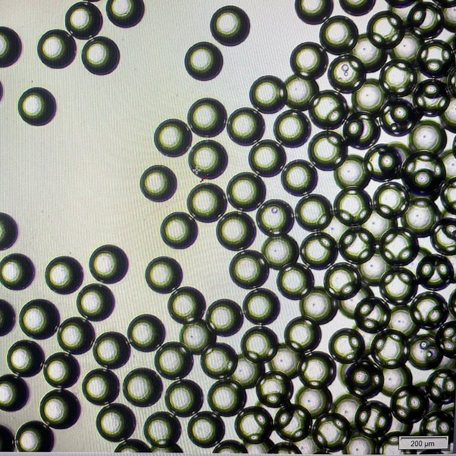
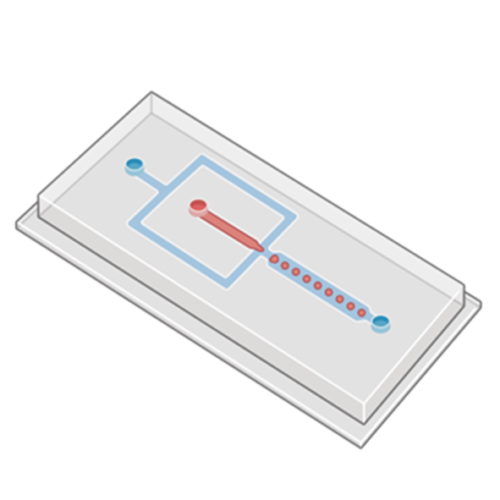
This study presents a high-throughput static droplet microfluidic (SDM) device with 38,400 chambers, enabling isolation and analysis of circulating tumour cells (CTCs) at single-cell resolution. The system allows measurement of metabolic activity (e.g. lactate production) within ~125 pL droplets, and demonstrates the ability to distinguish cancer cells from leukocytes based on metabolomic profiles.
The results highlight the potential of droplet microfluidics for label-free CTC detection, single-cell analysis, and liquid biopsy research.