Description
Why Use Organ-on-a-Chip Devices?
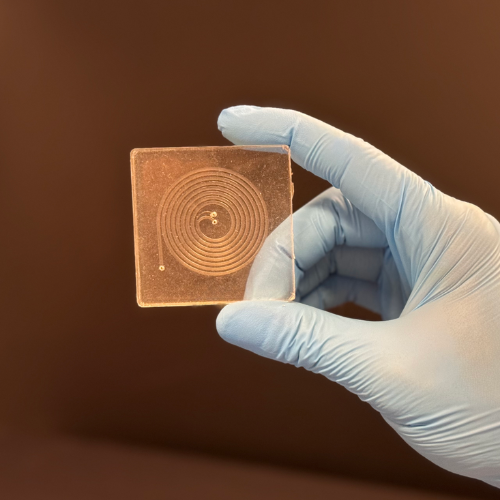
- Microfluidic Control – Precise flow conditions for tissue modelling
- Physiological Microenvironment – Supports cell–cell and cell–matrix interactions
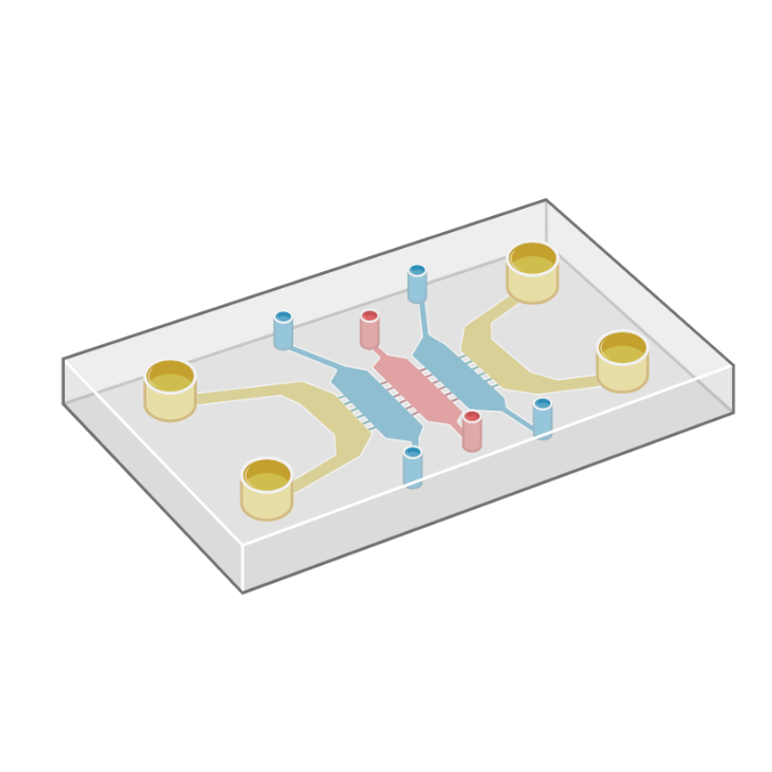
- Multi-Channel Design – Enables co-culture and compartmentalised systems
- ECM Hydrogel Compatibility – Supports 3D tissue models
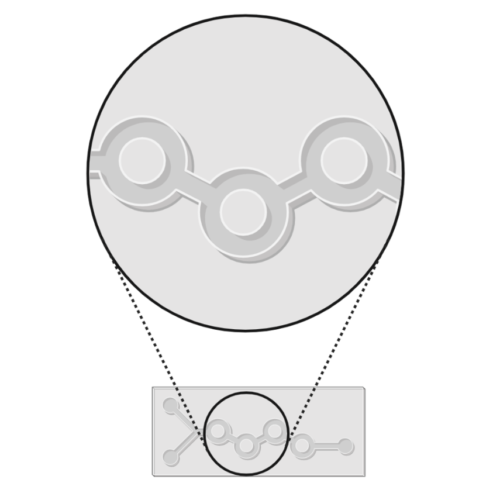
- Configurable Designs – Device geometries adapted to specific applications
Applications
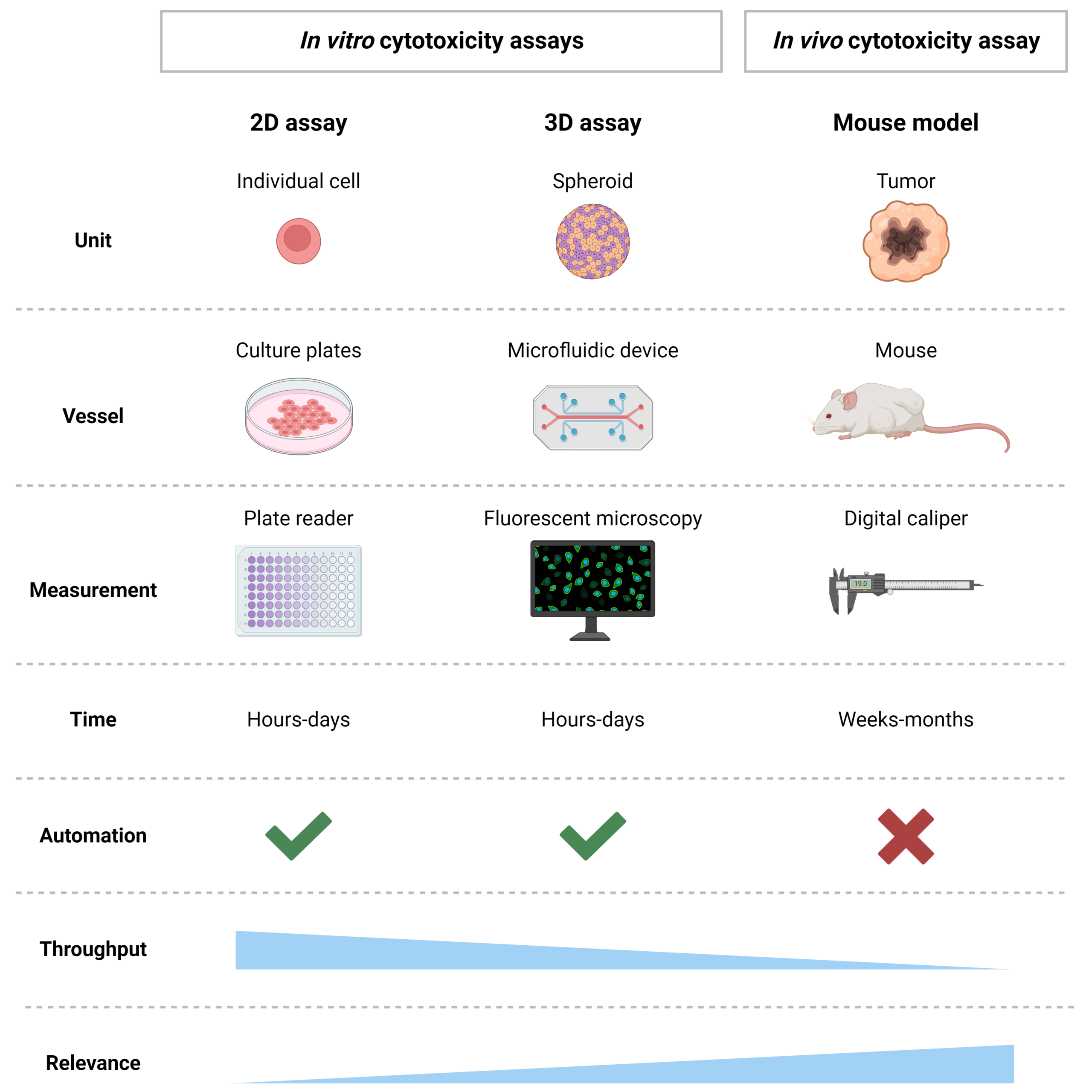
Organ-on-a-chip systems support a wide range of research applications:
- Drug Discovery and Development – Evaluation of compound effects on tissue models
- Disease Modelling – Study of disease mechanisms in controlled environments
- Toxicology Testing – Assessment of chemical and drug responses in vitro
- Cancer Research – Investigation of tumour microenvironments
- Immunology Studies – Analysis of immune responses and inflammation
- Viral Infection Studies – Study of host–pathogen interactions
- Regenerative Medicine – Investigation of tissue development and repair
- Pharmacokinetics / Pharmacodynamics (PK/PD) – Drug response studies
- Blood-Brain Barrier (BBB) Models – Transport and barrier studies
- Gut and Microbiome Research – Modelling gastrointestinal systems
Related Publication
The organ-on-a-chip approaches are supported by published research demonstrating microfluidic tissue models and device fabrication methods:
A rapidly prototyped lung-on-a-chip model using 3D-printed molds
Organ-on-a-Chip (2020)
https://doi.org/10.1016/j.ooc.2020.100001
This study presents a lung-on-a-chip model fabricated using 3D-printed molds for PDMS casting, enabling rapid and low-cost device prototyping. The system supports air–liquid interface culture under dynamic conditions, allowing cells to develop 3D morphology, maintain barrier integrity, and exhibit functional characteristics relevant to pulmonary tissue.
The device was used to evaluate responses to cigarette smoke extract and anti-inflammatory treatment, demonstrating its application in drug testing, toxicology, and respiratory research.