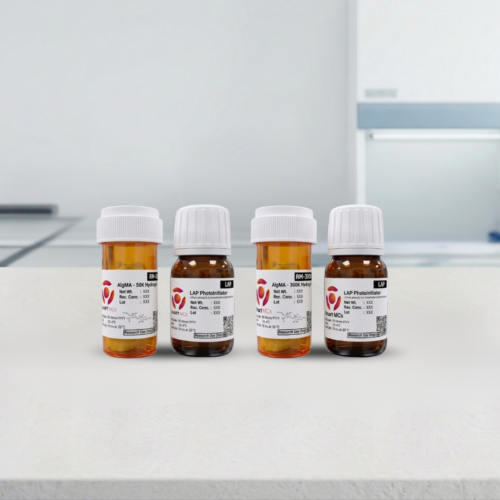
Poly-L-Lysine Methacryloyl (PLMA) is a photocrosslinkable hydrogel for tissue engineering, 3D bioprinting, and antimicrobial biomaterials research. Derived from poly-L-lysine, a naturally occurring antimicrobial polypeptide, PLMA combines inherent antimicrobial activity with the versatility of light-induced crosslinking.
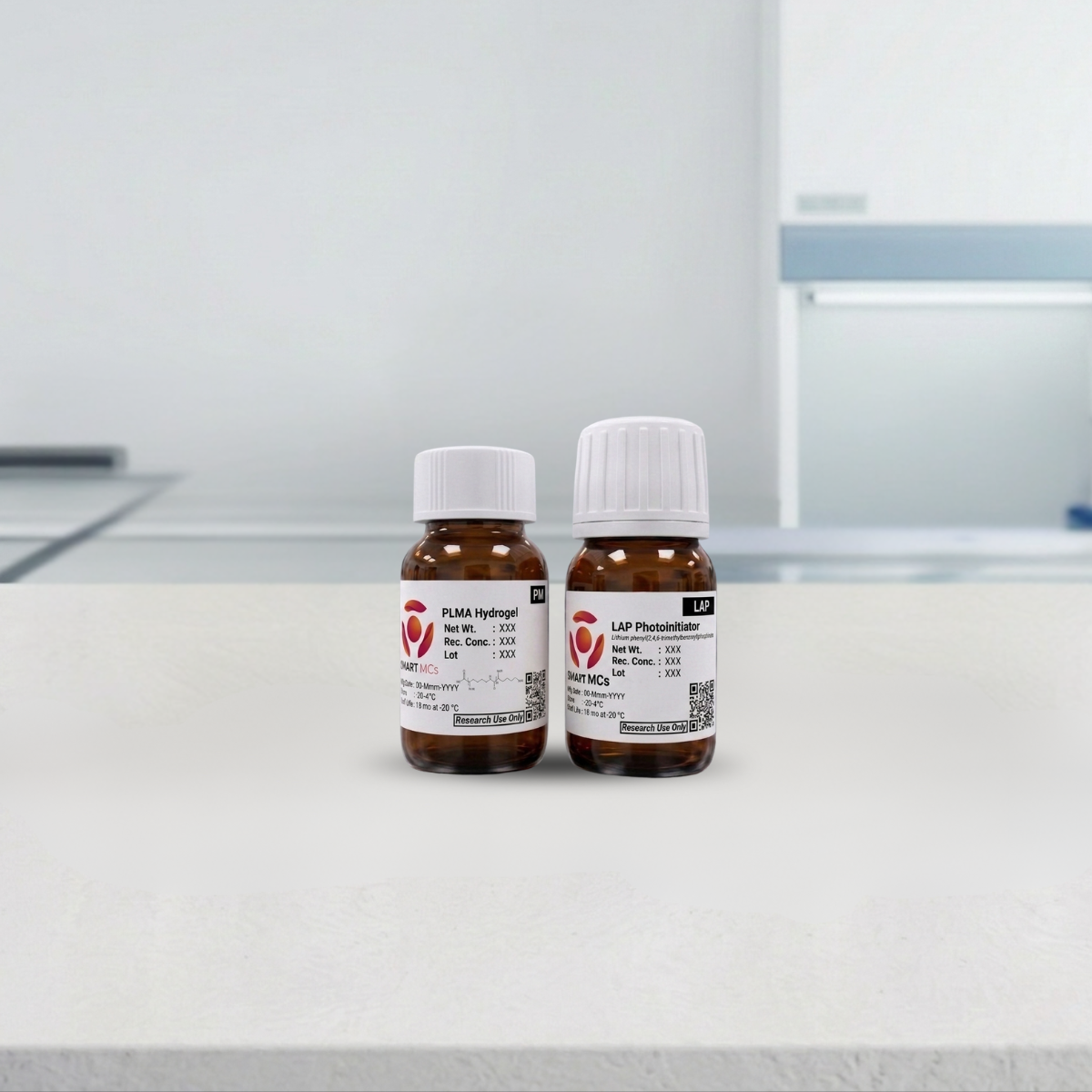
Each PLMA kit includes PLMA and LAP photoinitiator for fast, reliable hydrogel formation under UV or visible light. PLMA can be used as a standalone hydrogel or blended with other photocrosslinkable biomaterials to introduce antimicrobial functionality.
For research use only. Not intended for human clinical applications.
What’s Included
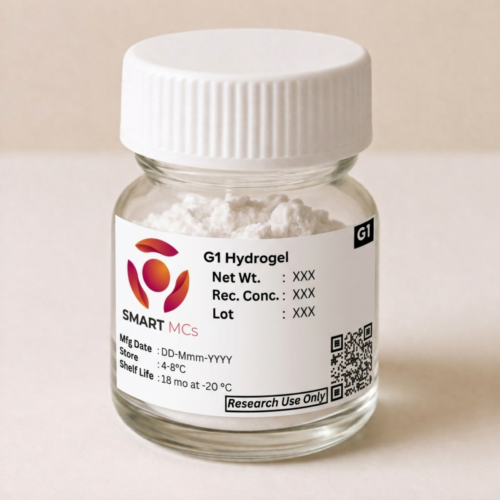
Each PLMA Hydrogel Set includes PLMA with a white powder appearance and complementary LAP photoinitiator.
| SKU | PLMA Size | LAP Included |
|---|
| PLMA-0.5g | 0.5 g | 0.025 g |
| PLMA-5g | 5 g | 0.25 g |
PLMA is supplied as a white powder and is suitable for antimicrobial hydrogels, coatings, tissue engineering, 3D bioprinting, and composite hydrogel systems.
Each Hydrogel Set includes complementary LAP photoinitiator for convenient preparation and crosslinking of PLMA hydrogels.
Performance
PLMA is designed for applications requiring both antimicrobial functionality and tunable hydrogel properties.
- Rapid light-induced crosslinking
- Broad-spectrum antimicrobial activity
- Tunable mechanical properties
- Low viscosity for smooth extrusion and mixing
- Compatible with extrusion and light-based 3D bioprinting
- Supports cell attachment and proliferation at optimised concentrations
- Detailed characterisation data available on request
Applications
Suitable for:
- Antimicrobial hydrogels
- Antimicrobial coatings
- Tissue engineering
- 3D bioprinting
- Wound dressing research
- Composite hydrogel systems
Why Use PLMA?
PLMA combines the structural versatility of a photocrosslinkable hydrogel with the inherent antimicrobial properties of poly-L-lysine. Unlike traditional antimicrobial systems that rely on metal ions, PLMA provides a biologically compatible platform for developing antimicrobial hydrogels, coatings, and bioinks for biomaterials research.
Custom Options
Custom PLMA formulations are available for specialised research applications, including:
- Blending with other hydrogel systems
- Tailored mechanical or biological properties
- Peptide-functionalised formulations