Description
What’s Included
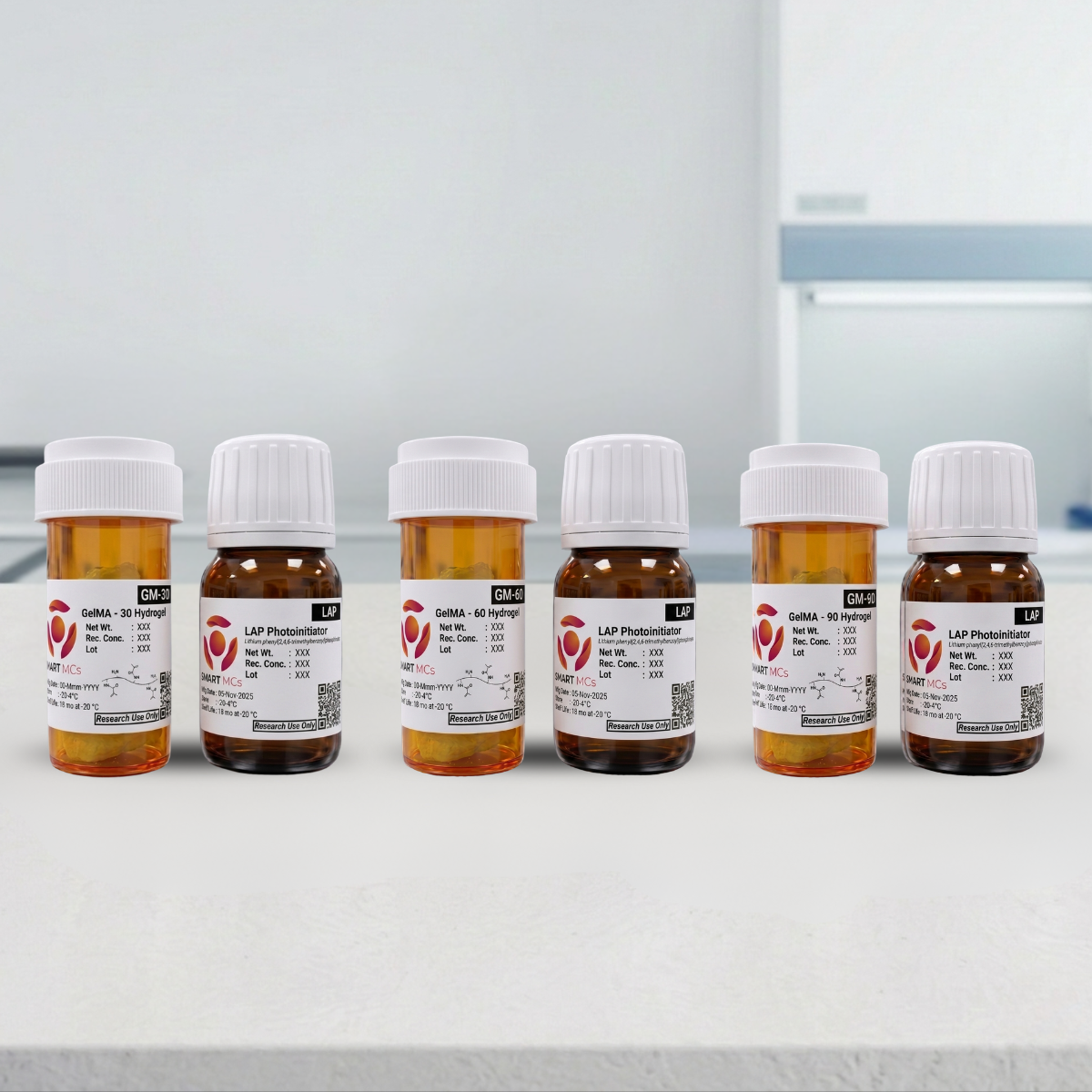
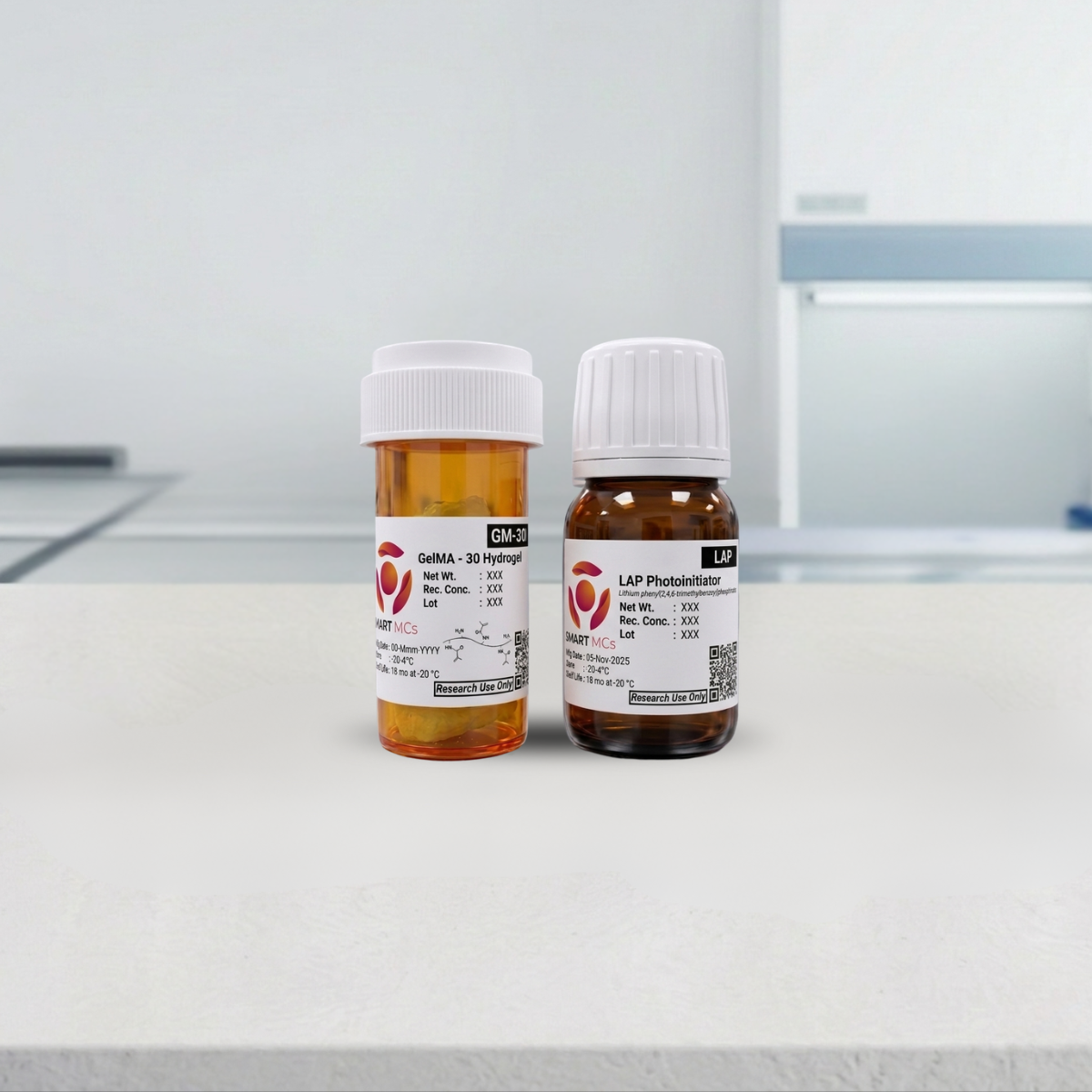
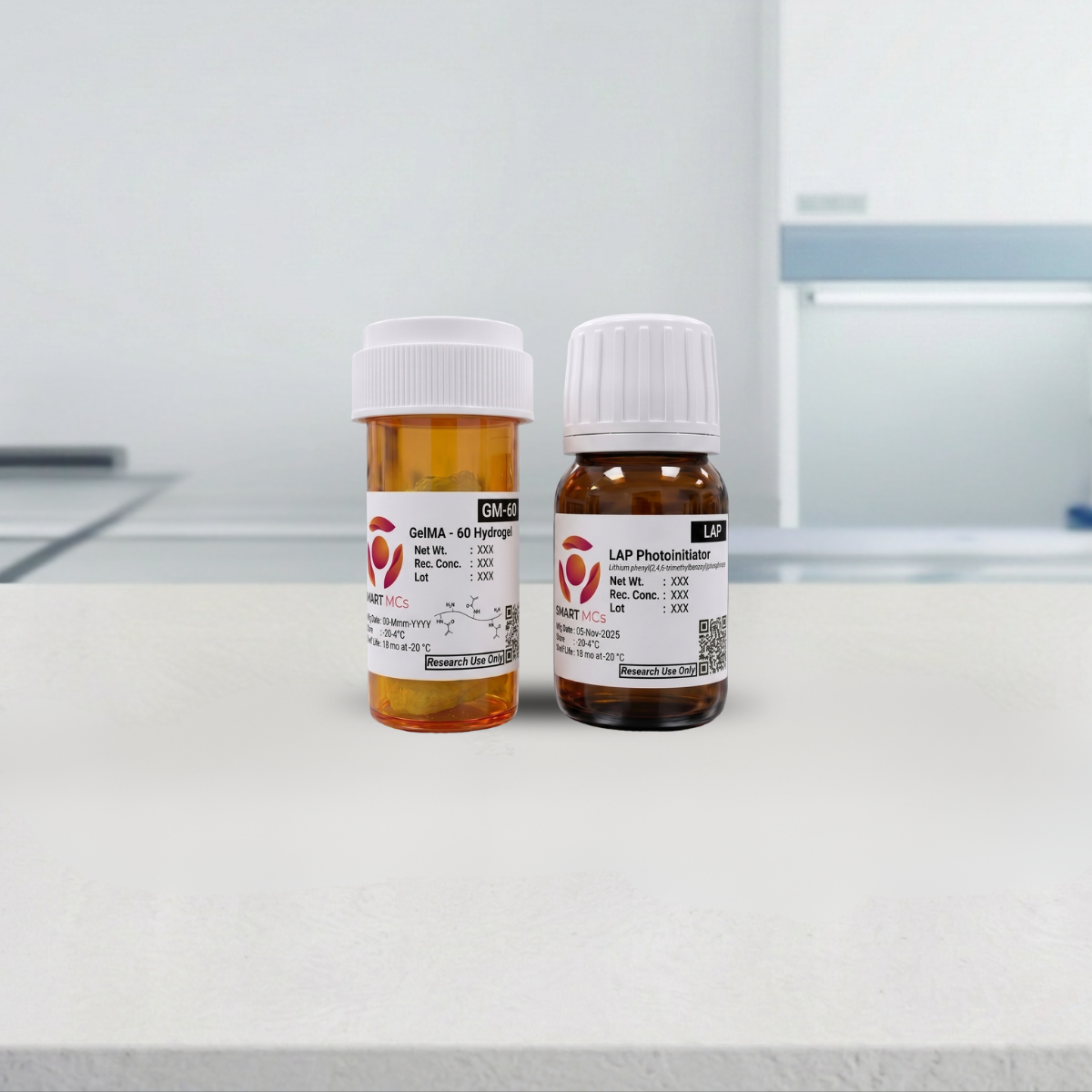
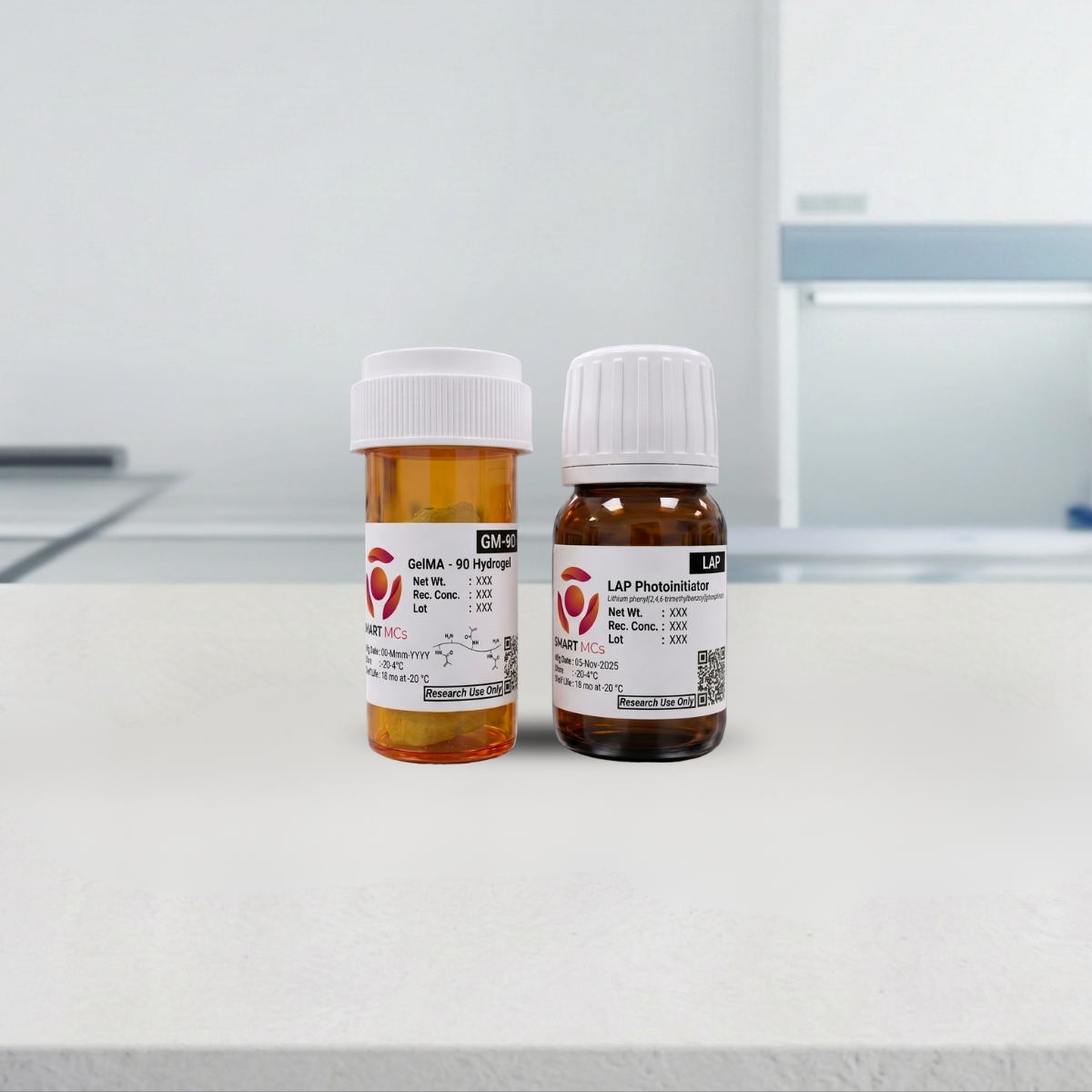
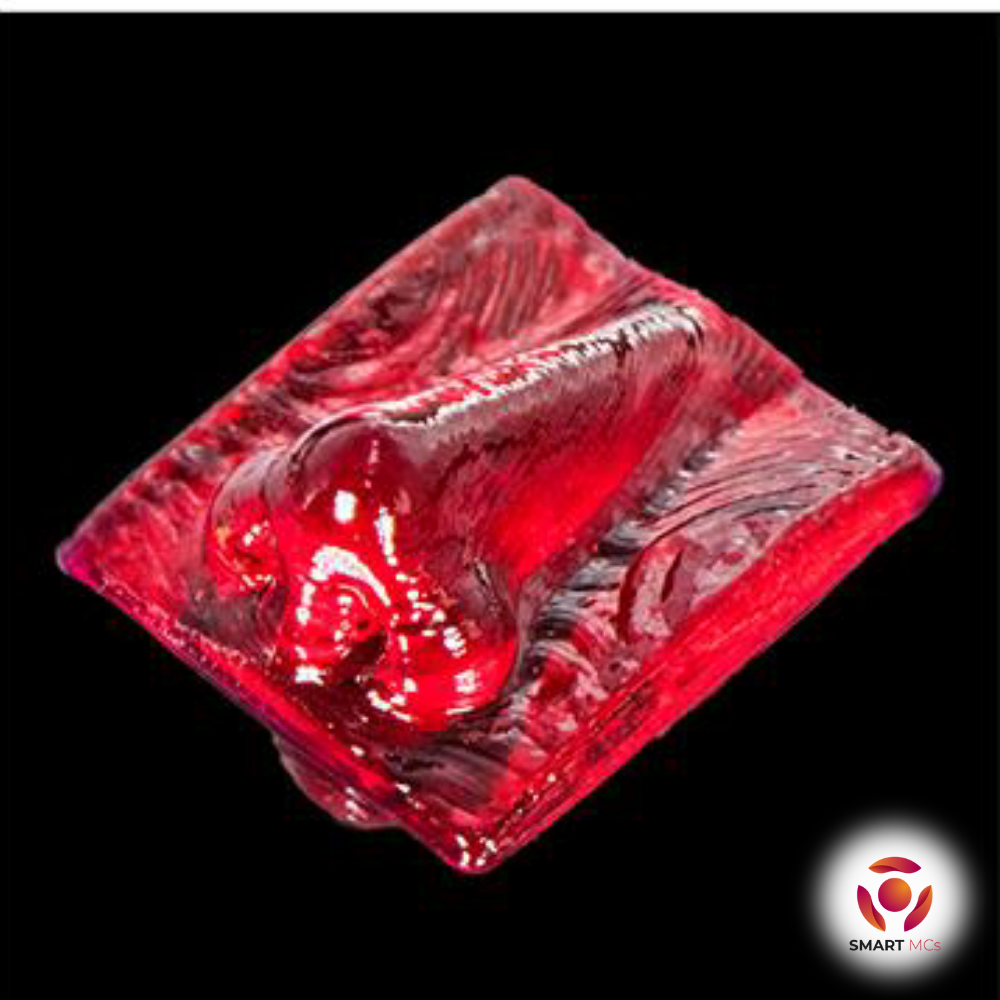
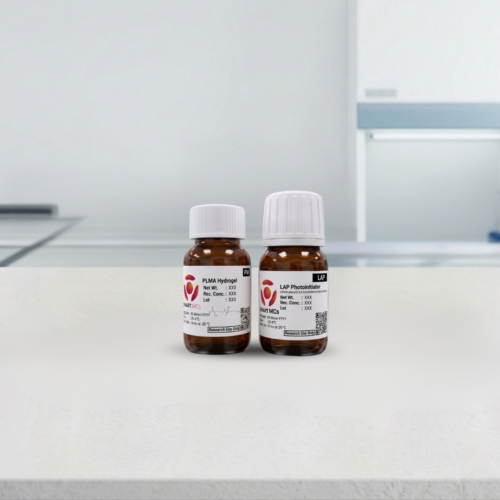
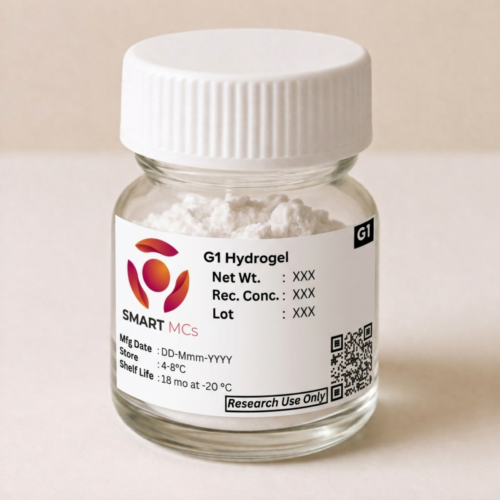
Each GelMA Hydrogel Set includes GelMA with a white, sponge-like appearance and complementary LAP photoinitiator.
| SKU | GelMA Size | LAP Included | Degree of Methacrylation | Molecular Weight |
|---|
| GelMA-30-1g | 1 g | 0.05 g | 30 ± 5% | 100–200 kDa |
| GelMA-30-10g | 10 g | 0.50 g | 30 ± 5% | 100–200 kDa |
| GelMA-60-1g | 1 g | 0.05 g | 60 ± 5% | 100–200 kDa |
| GelMA-60-10g | 10 g | 0.50 g | 60 ± 5% | 100–200 kDa |
| GelMA-90-1g | 1 g | 0.05 g | 90 ± 5% | 100–200 kDa |
| GelMA-90-10g | 10 g | 0.50 g | 90 ± 5% | 100–200 kDa |
Performance
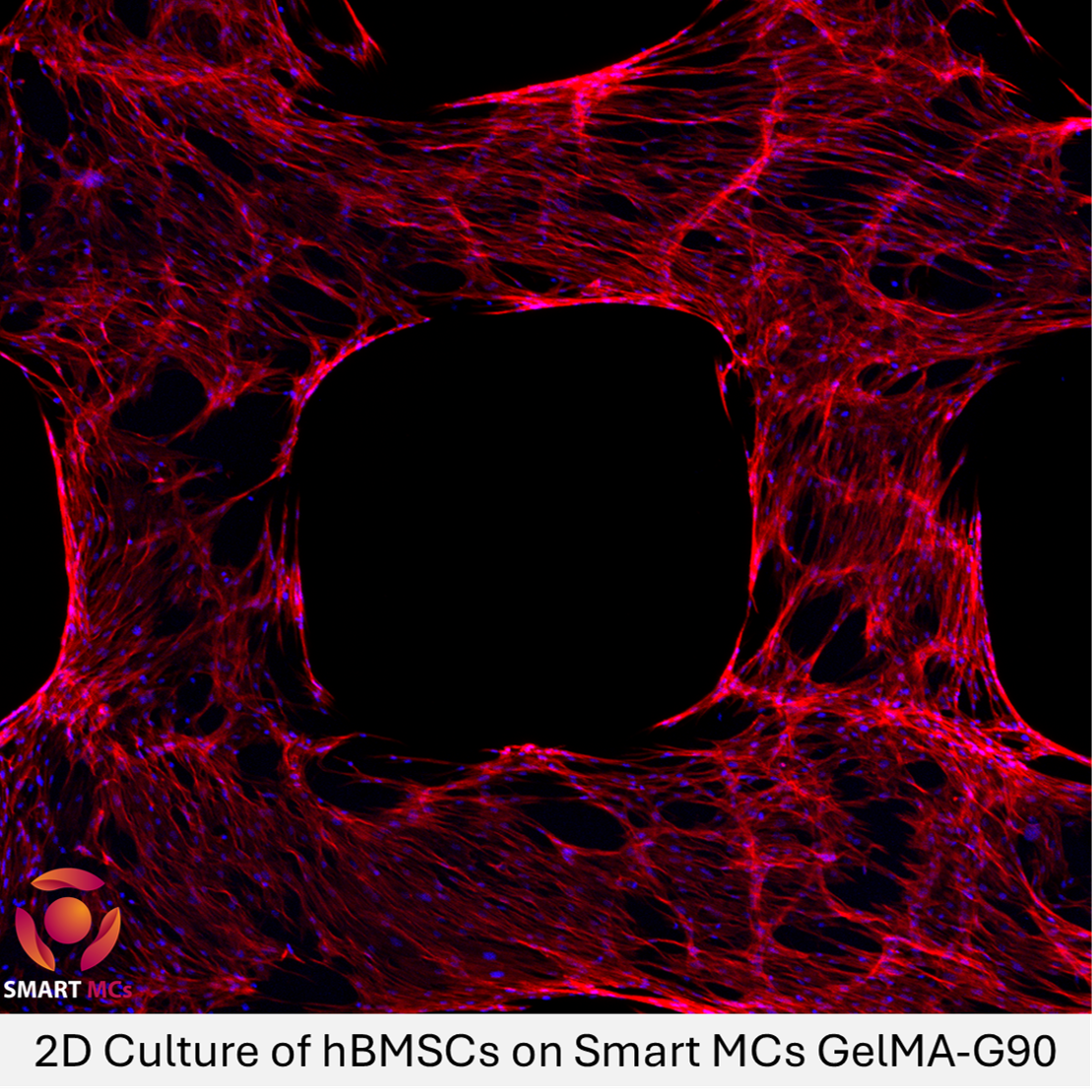
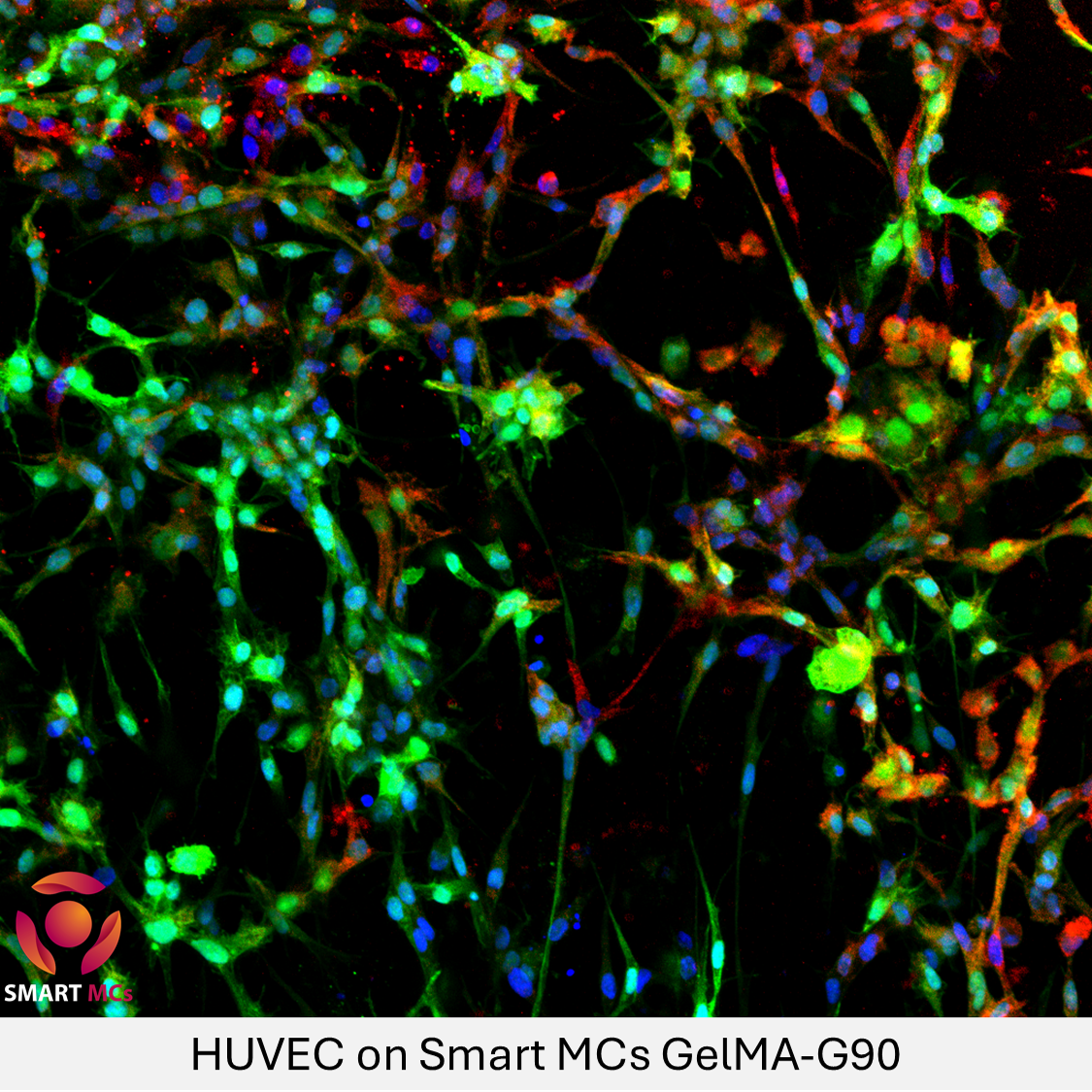
GelMA is designed to provide consistent performance across a variety of 3D cell culture workflows.
- Tunable stiffness through formulation selection
- Rapid and reliable light-induced crosslinking
- Compatible with extrusion and light-based bioprinting
- Supports high cell viability
Detailed characterisation data is available on request.
Applications
Suitable for:
- 3D cell culture
- Organoid culture
- Tissue engineering
- 3D bioprinting
- Drug discovery and screening
- Disease modelling
GelMA combines the biological functionality of gelatin with the versatility of a photocrosslinkable hydrogel, providing an environment that supports cell attachment, growth, and organisation. By varying the degree of methacrylation, researchers can tailor hydrogel stiffness to suit different cell types and applications, making GelMA well suited for 3D cell culture, organoid culture, tissue engineering, bioprinting, and drug discovery.
Custom options
Custom GelMA formulations are available for specialised research applications, including:
- High porosity formulations
- Fluorescent GelMA
- Peptide-functionalised hydrogels
- Hybrid hydrogel systems
Shipping & Dispatch
| Information | Details |
|---|
| Dispatch Schedule | Orders are dispatched every Friday. |
| Order Cut-Off | Orders for in-stock products received by End of Day Wednesday (Sydney, Australia) are eligible for Friday dispatch, subject to product availability. |
| Estimated Dispatch | Up to 10 sets: Friday dispatch* Contact us for larger or customised orders and to discuss delivery timelines. |
| Shipping Within Australia | Orders are shipped via Australia Post. |
| International Shipping | Orders are shipped via DHL Express. |
| Alternative Shipping | FedEx shipping is available upon request. |
*Friday dispatch is subject to product availability.