Hydrogels

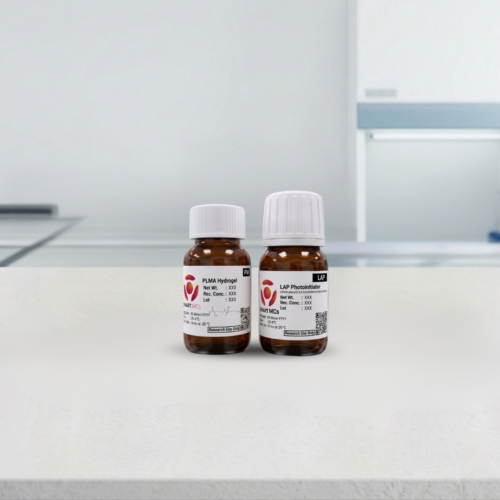
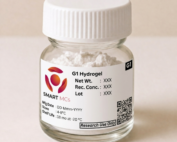
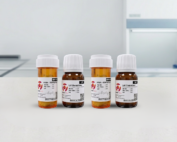
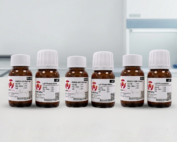
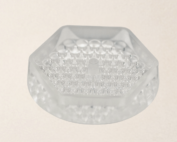
  • Poly-L-lysine Methacrylate (PLMA) is a photocrosslinkable hydrogel designed for antimicrobial applications, tissue engineering, and 3D bioprinting. It is derived from poly-lysine, a naturally occurring antimicrobial polypeptide, and modified to enable light-based crosslinking.At Smart MCs, PLMA is supplied with a compatible photoinitiator (LAP), allowing rapid and consistent gel formation under UV or visible light.For research use only. Not intended for human clinical applications.
     
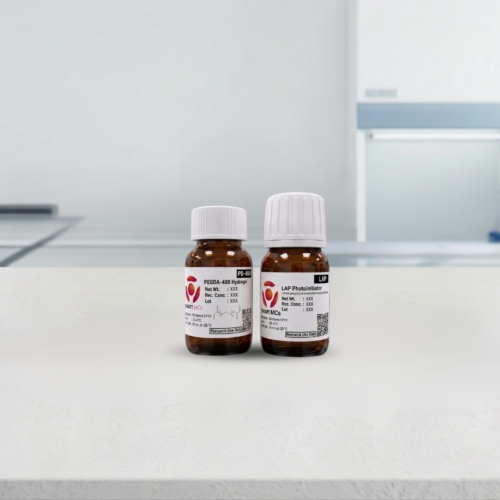
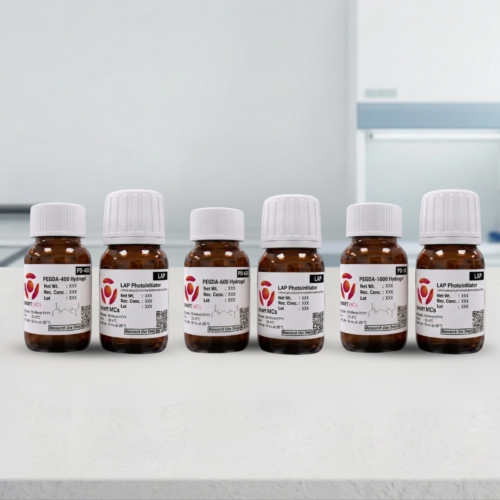
  • Poly(ethylene glycol) diacrylate (PEGDA) is a widely used photocrosslinkable hydrogel for 3D cell culture, tissue engineering, and bioprinting. It is based on polyethylene glycol (PEG) and modified with acrylate groups, allowing fast and controlled light-based crosslinking.At Smart MCs, PEGDA is available in multiple molecular weights (PEGDA-400, PEGDA-600, PEGDA-1000), giving flexibility to tune mechanical properties and hydrogel structure.For research use only. Not intended for human clinical applications.
     

Reagents and Consumables

  • High-Quality Microbeads and Magnetic Beads (20 nm – 1000 µm)
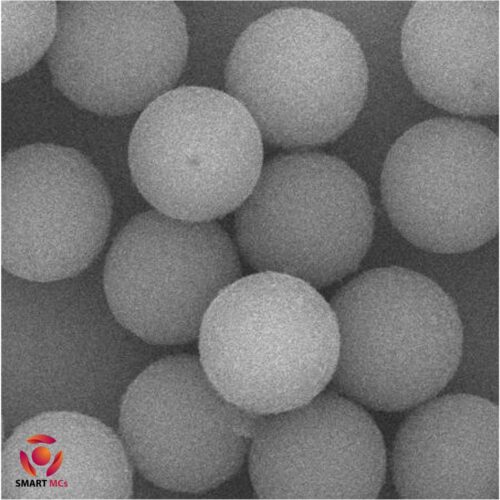
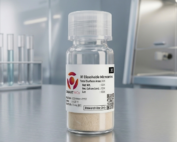
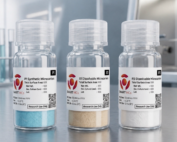
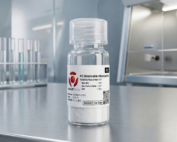
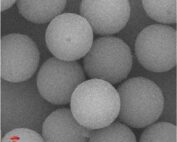
     Monodisperse Microspheres are precision-engineered microbeads designed for cell separation, biological research, diagnostics, and particle filtration. Available in both standard and magnetic bead formats, these particles provide highly controlled size distribution for reproducible and reliable experimental outcomes.Our microbeads are available in a wide size range from 20 nm to 1000 µm, with options for functionalised (e.g., antibody-coated) or non-functionalised surfaces to suit diverse laboratory applications. 

Microfluidics

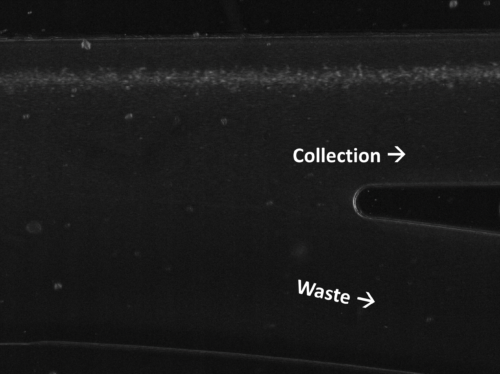
  • Microfluidic Systems for Size-Based Pathogen and Sample Purification
     

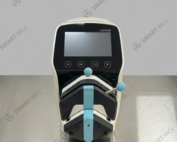
    Smart MCs provides microfluidic systems for pathogen purification based on inertial microfluidics. These devices enable size-based separation of microorganisms, cells, and debris from biological samples under continuous flow conditions.

    The system is designed to support purification of complex samples from human, animal, and environmental sources, reducing unwanted components such as debris and background cells. 

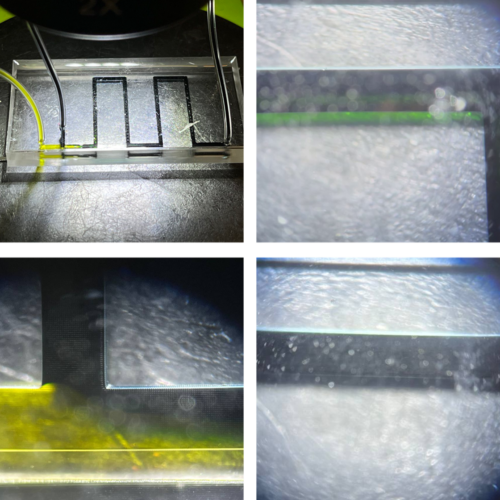
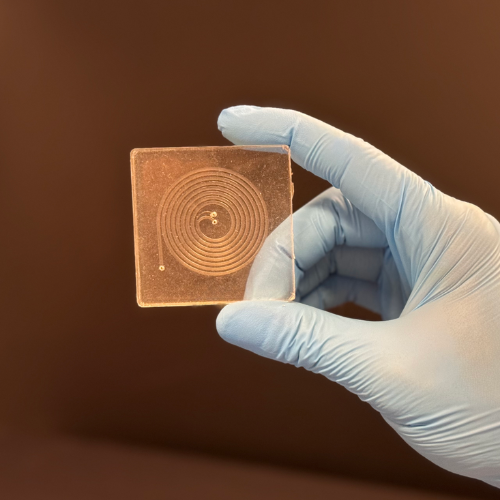
  • Microfluidic Devices for Rapid and Controlled Fluid Mixing
     

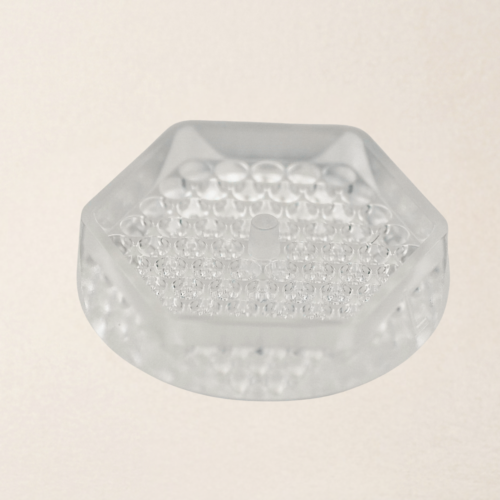
    Smart MCs provides micromixers designed for efficient mixing of fluids at the microscale. These microfluidic devices enable rapid and controlled mixing under laminar flow conditions, improving reaction efficiency and reproducibility in biological and chemical applications.

    Micromixers are suitable for handling small volumes, supporting precise reagent mixing in research and process development. 
Go to Top