Description
Why Use Microfluidic Pathogen Purification?
- Label-Free Separation – No antibodies or reagents required
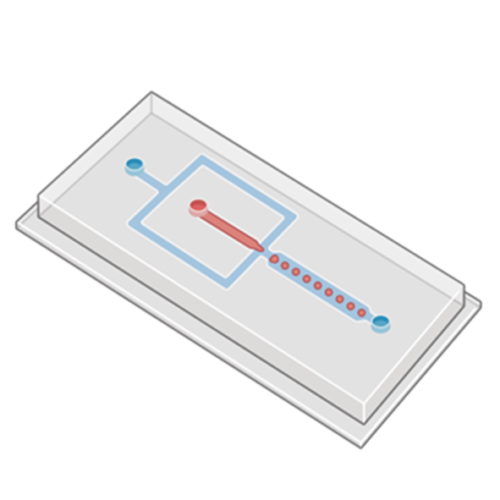
- Size-Based Sorting – Separation of pathogens, cells, and debris by size
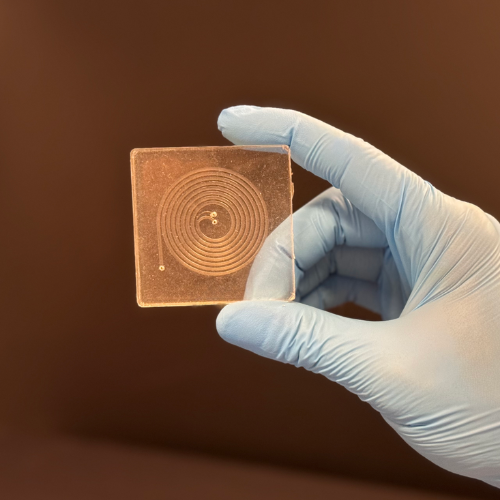
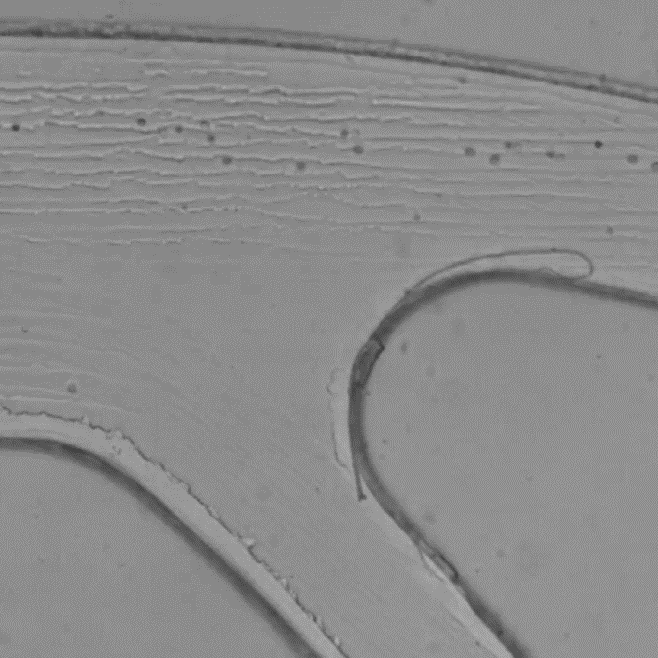
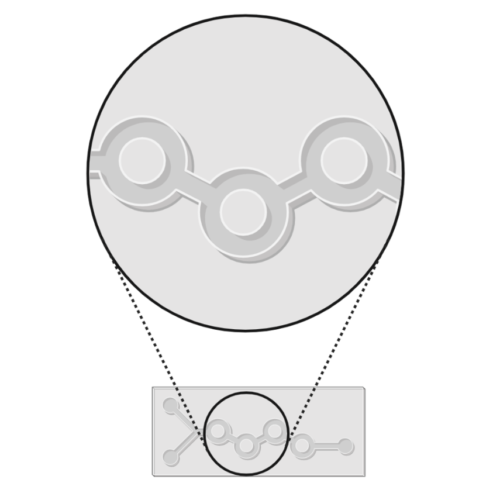
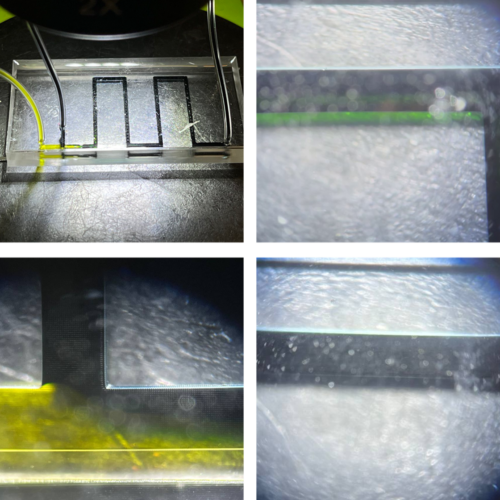
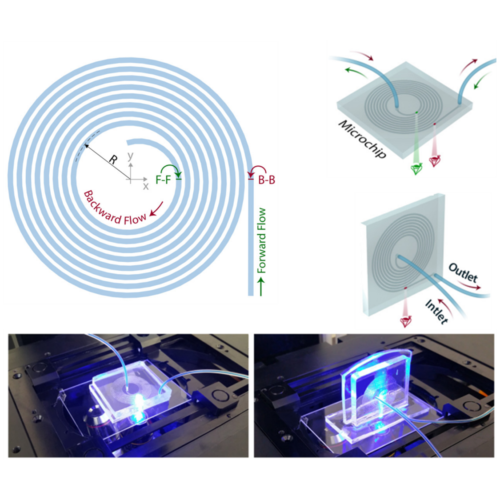
- Inertial Microfluidic Operation – Passive focusing in spiral microchannels
- High-Throughput Processing – Suitable for large sample volumes
- Low-Shear Conditions – Designed to minimise mechanical stress on cells and microorganisms
Applications
- Pathogen Isolation – Enrichment of bacteria and parasites from biological samples
- Sample Purification – Removal of debris and unwanted cells from complex fluids
- Clinical and Research Samples – Processing of blood, tissue, and environmental samples
- Cell Subpopulation Separation – Isolation of specific cell groups from mixed samples
- Genomics and Proteomics – Sample preparation for downstream molecular analysis
- Environmental Microbiology – Processing samples for microorganism detection
Related Publication
The pathogen purification approach is supported by published research demonstrating size-based separation of microorganisms using inertial microfluidics:
Giardia purification from fecal samples using rigid spiral inertial microfluidics
Biomicrofluidics (2022)
https://doi.org/10.1063/5.0069406
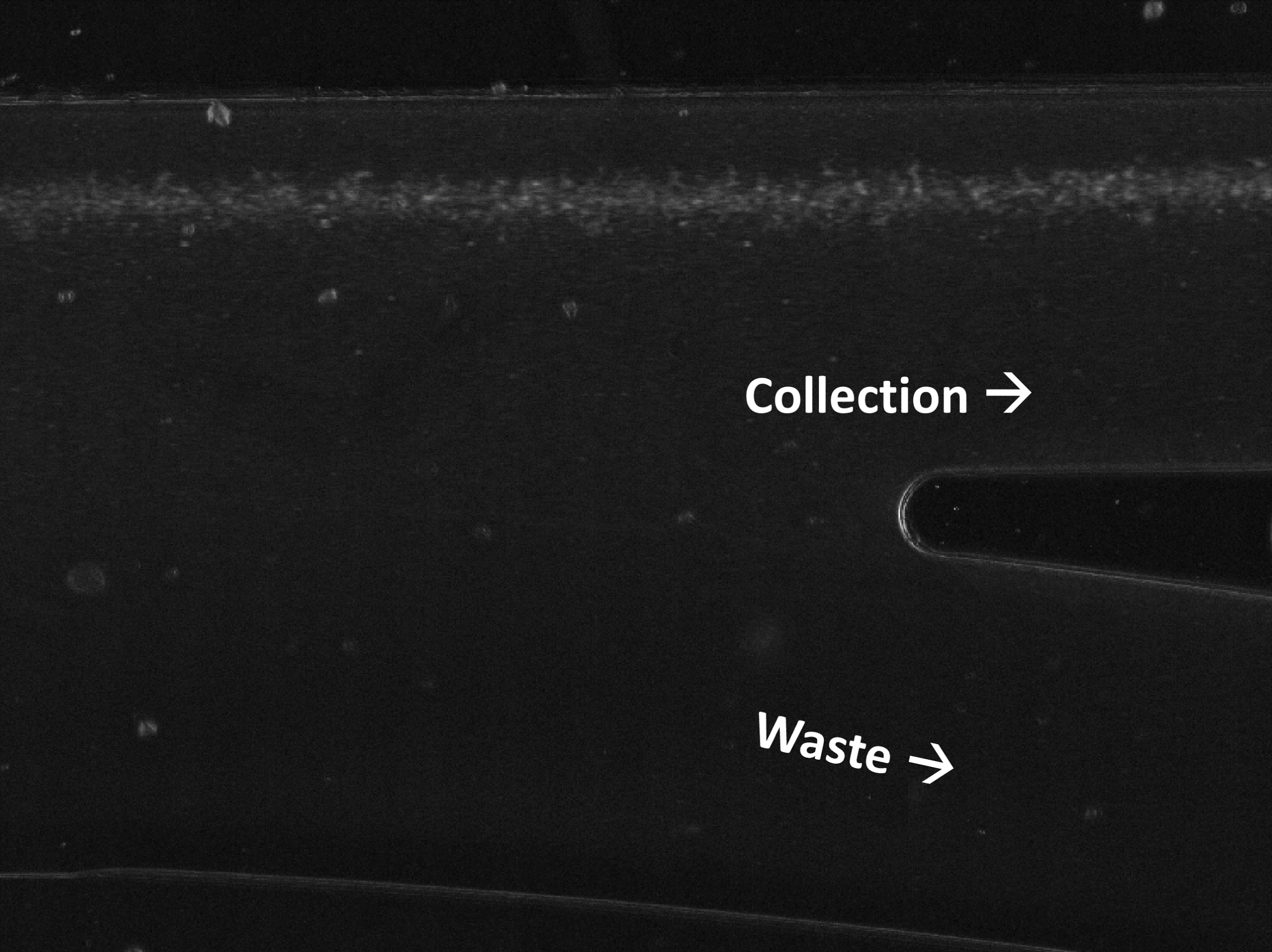
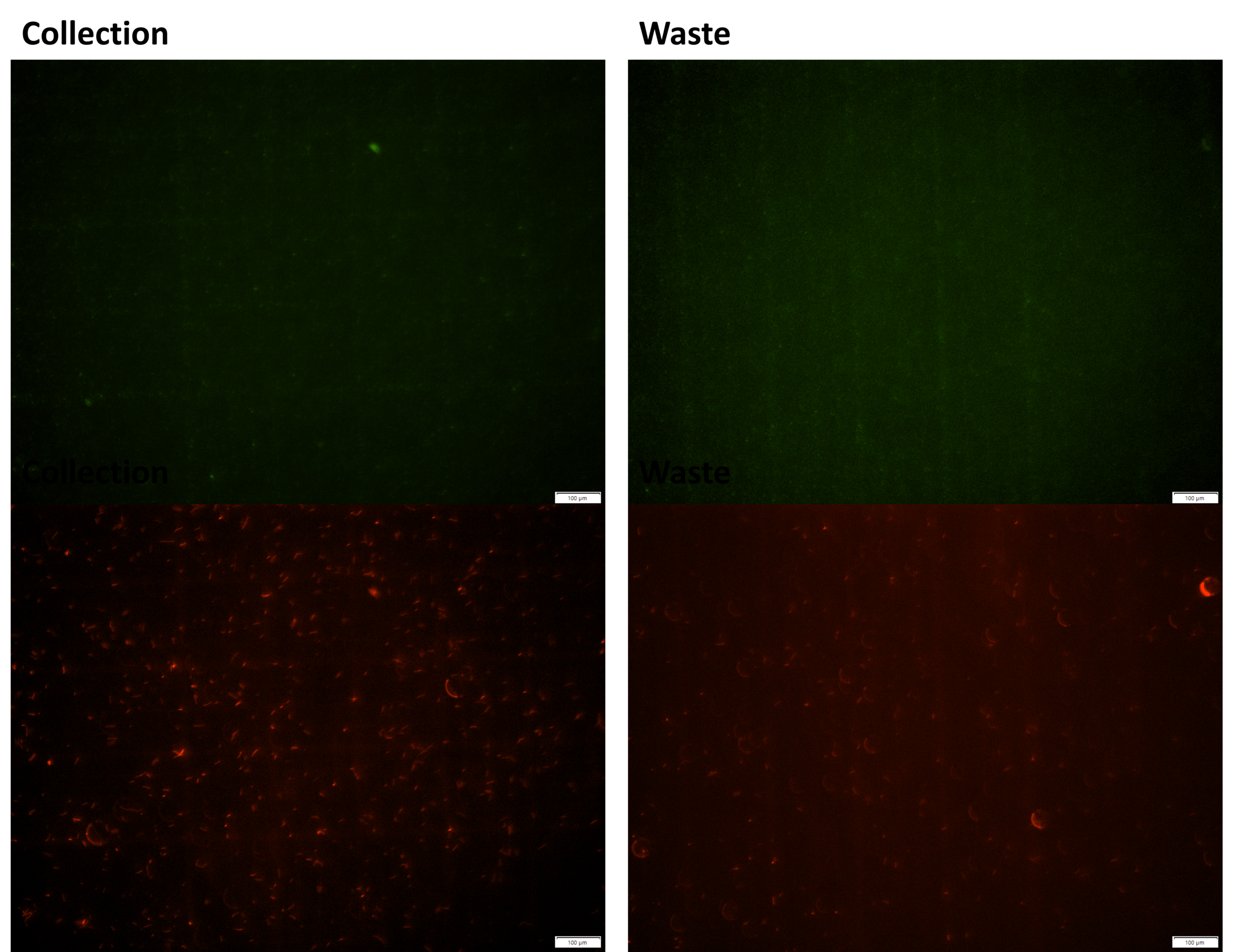
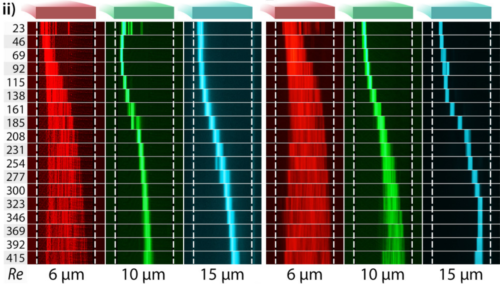
This study demonstrates the use of a rigid spiral inertial microfluidic device for purification of Giardia cysts from fecal samples. The system enables separation of pathogens from highly turbid samples, achieving recovery rates up to ~75% at a throughput of ~0.75 mL/min.
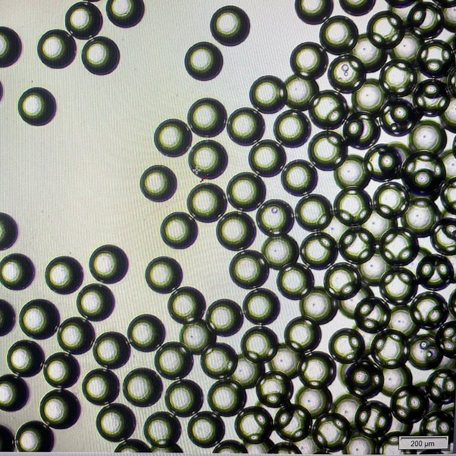
The results show effective removal of surrounding debris, allowing visual identification of purified cysts after a single pass. The approach is scalable and can be extended to purification of other gastrointestinal pathogens of similar size.