Hydrogels

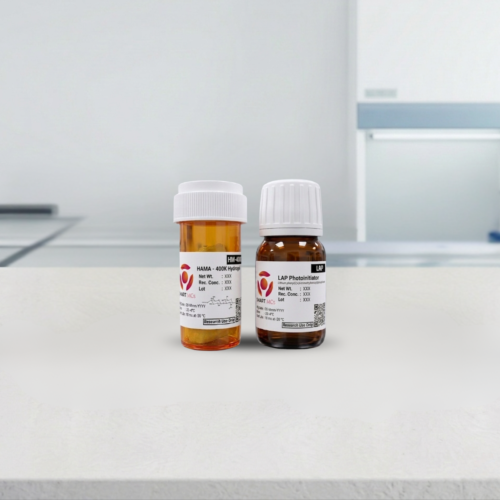
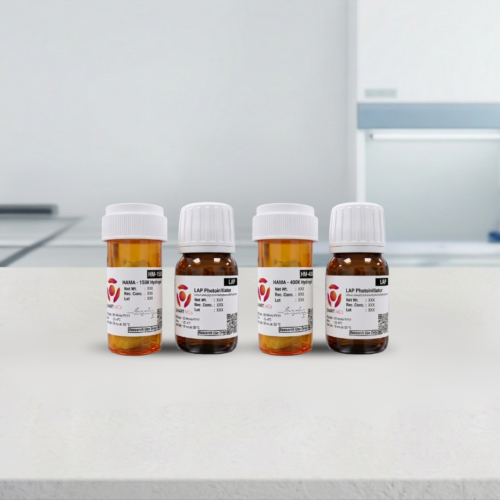
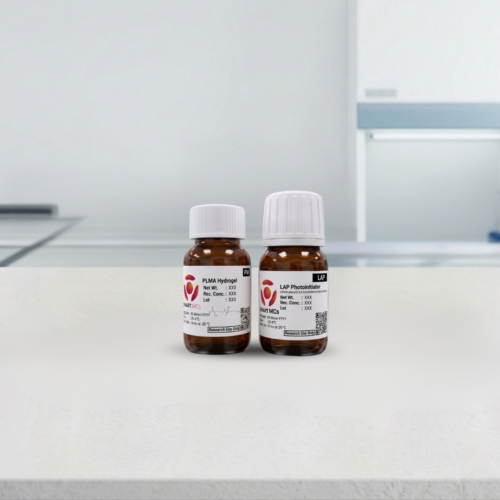
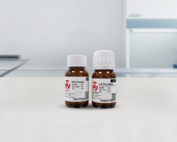
  • Poly-L-lysine Methacrylate (PLMA) is a photocrosslinkable hydrogel designed for antimicrobial applications, tissue engineering, and 3D bioprinting. It is derived from poly-lysine, a naturally occurring antimicrobial polypeptide, and modified to enable light-based crosslinking.At Smart MCs, PLMA is supplied with a compatible photoinitiator (LAP), allowing rapid and consistent gel formation under UV or visible light.For research use only. Not intended for human clinical applications.
     
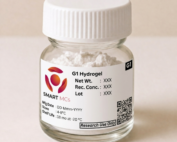
  • G1 Hydrogel is an animal-free hydrogel designed for simple, room-temperature operation. It forms a stable gel instantly upon the addition of cell culture media, making it ideal for cell culture, tissue engineering, and biomedical research.

    Custom modifications are available upon request, including peptide functionalisation and composite hydrogel systems.

    • One-step, room-temperature gelation
    • Animal-free formulation
    • Tunable stiffness and bioactivity
    • One-step, room-temperature gelation
    • Animal-free formulation
    • Tunable stiffness and bioactivity

Reagents and Consumables

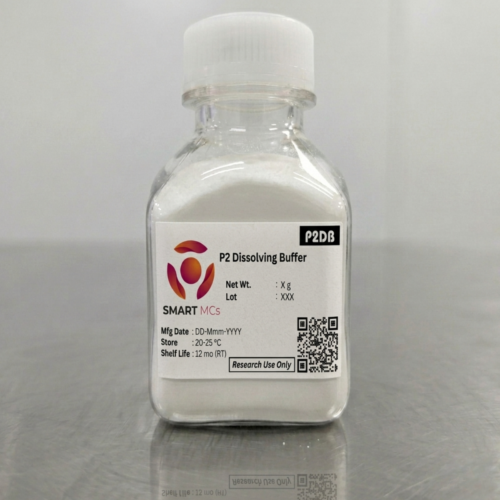
  • Proprietary Buffer for Rapid P2 Microcarrier Dissolution

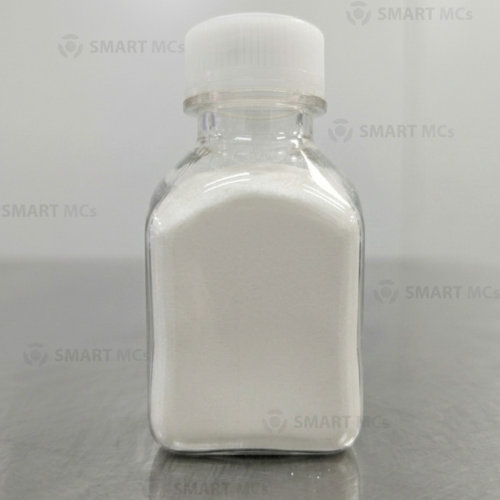
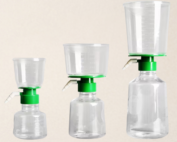
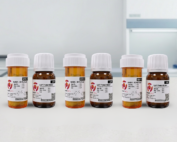
    P2 Dissolving Buffer is a proprietary solution developed specifically for P2 dissolvable microcarriers, enabling rapid and controlled microcarrier dissolution for cell recovery.When used with TrypLE, the buffer accelerates microcarrier breakdown, allowing cell recovery in ~5 minutes while maintaining cell viability and proliferative capacity.

    Key Features

    • Proprietary buffer designed for P2 microcarriers
    • Accelerates TrypLE-mediated microcarrier dissolution
    • Enables ~5-minute cell recovery
    • Maintains cell viability and proliferation post-harvest
    • Eliminates need for filtration or mechanical separation
    • Suitable for adherent cell culture systems
     

Microfluidics

  • Microfluidic Devices for Rapid and Controlled Fluid Mixing
     

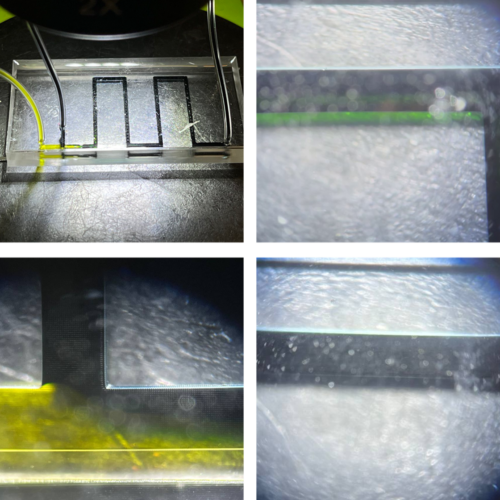
    Smart MCs provides micromixers designed for efficient mixing of fluids at the microscale. These microfluidic devices enable rapid and controlled mixing under laminar flow conditions, improving reaction efficiency and reproducibility in biological and chemical applications.

    Micromixers are suitable for handling small volumes, supporting precise reagent mixing in research and process development. 
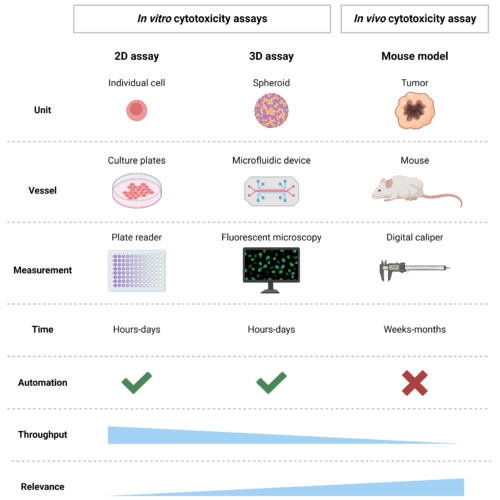
  • Microfluidic Systems for In Vitro Tissue Models and Biological Research

    Smart MCs provides organ-on-a-chip (OoC) devices designed to model tissue microenvironments using microfluidic systems. These lab-on-a-chip platforms enable controlled fluid flow, cell–cell interactions, and integration with extracellular matrix (ECM) hydrogels for in vitro studies.

    Organ-on-a-chip devices are used to study physiological responses, disease mechanisms, and interactions with pharmaceutical compounds under controlled conditions. 
Go to Top