Hydrogels

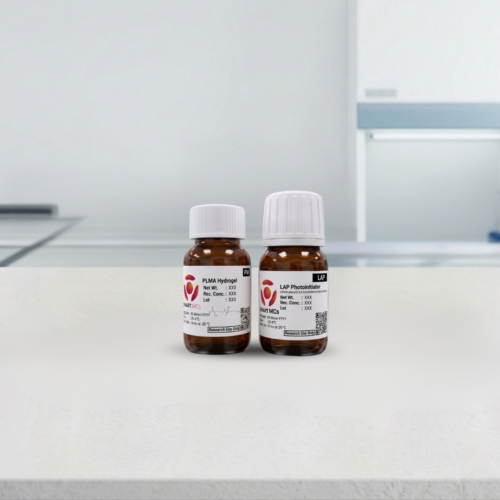
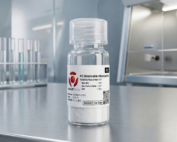
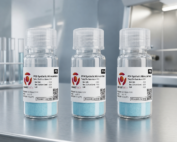
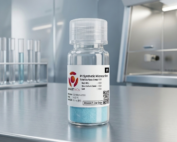
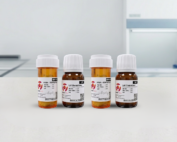
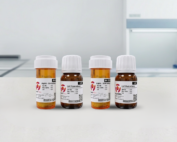
  • Poly-L-lysine Methacrylate (PLMA) is a photocrosslinkable hydrogel designed for antimicrobial applications, tissue engineering, and 3D bioprinting. It is derived from poly-lysine, a naturally occurring antimicrobial polypeptide, and modified to enable light-based crosslinking.At Smart MCs, PLMA is supplied with a compatible photoinitiator (LAP), allowing rapid and consistent gel formation under UV or visible light.For research use only. Not intended for human clinical applications.
     
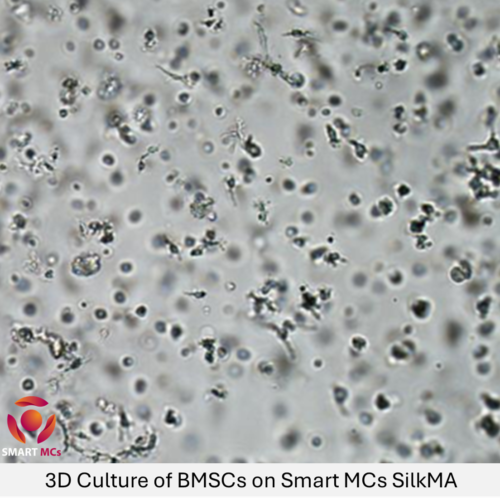
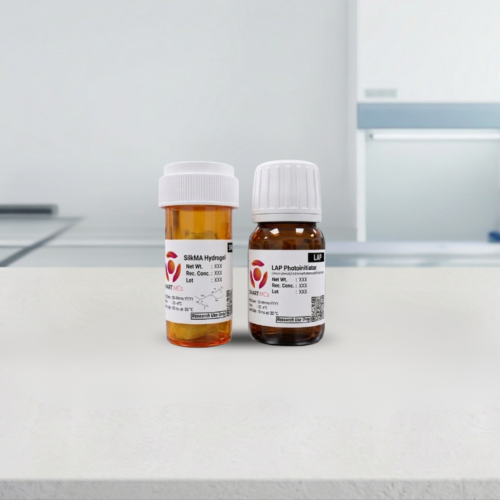
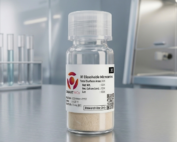
  • Silk Fibroin Methacryloyl (SilkMA) is a photocrosslinkable hydrogel derived from natural silk fibroin. It combines the strength and stability of silk with the flexibility of light-based crosslinking, making it suitable for 3D cell culture, tissue engineering, and bioprinting.At Smart MCs, SilkMA is supplied with a compatible photoinitiator (LAP), enabling fast and reliable hydrogel formation under UV or visible light.For research use only. Not intended for human clinical applications. 

Reagents and Consumables

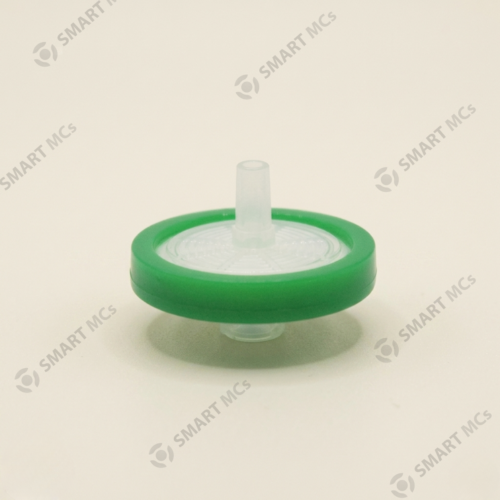
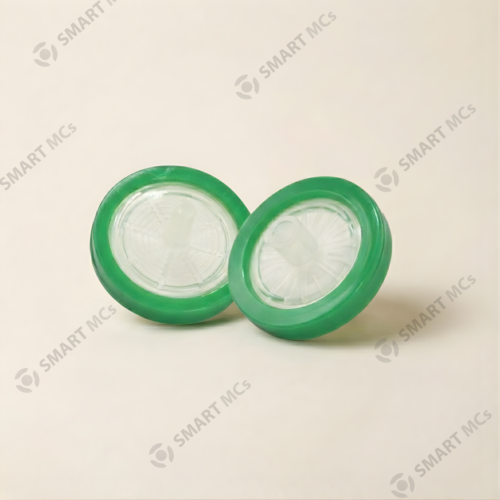
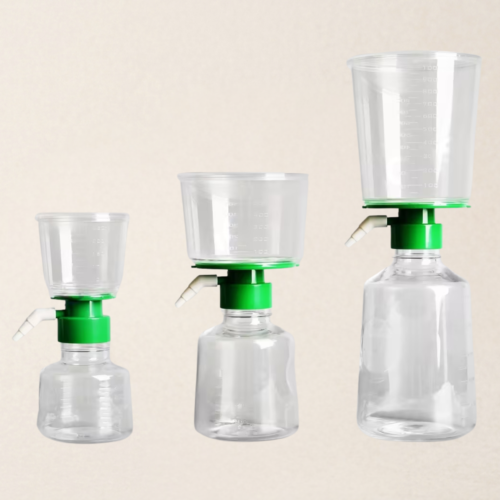
  • Reliable Sterile Filtration and Particle Removal (0.22 µm & 0.45 µm)

    Sterile Syringe Filters are essential laboratory filtration devices used for sterile filtration, particle removal, and solution preparation. Designed for compatibility with standard syringes, they ensure efficient removal of bacteria, particulates, and contaminants while maintaining sample integrity.Available in 0.22 µm and 0.45 µm pore sizes, these filters support a wide range of applications from cell culture media sterilisation to analytical sample preparation. 

Microfluidics

  • Microfluidic Systems for In Vitro Tissue Models and Biological Research

    Smart MCs provides organ-on-a-chip (OoC) devices designed to model tissue microenvironments using microfluidic systems. These lab-on-a-chip platforms enable controlled fluid flow, cell–cell interactions, and integration with extracellular matrix (ECM) hydrogels for in vitro studies.

    Organ-on-a-chip devices are used to study physiological responses, disease mechanisms, and interactions with pharmaceutical compounds under controlled conditions. 
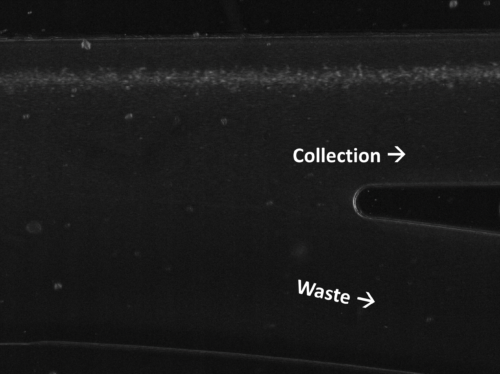
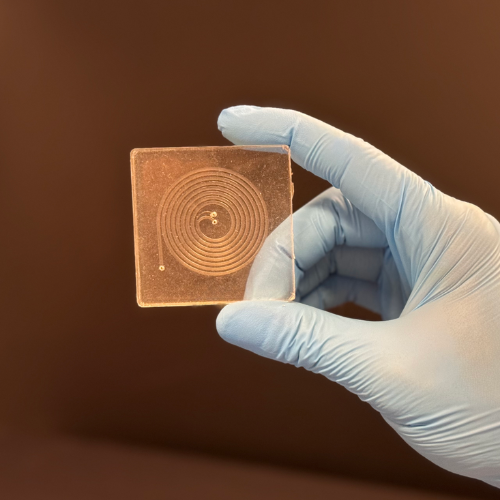
  • Microfluidic Systems for Size-Based Pathogen and Sample Purification
     

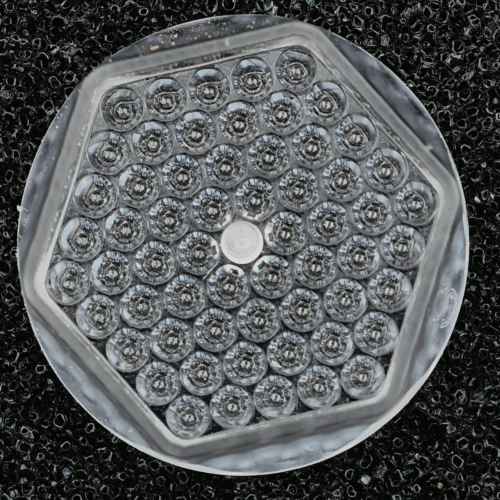
    Smart MCs provides microfluidic systems for pathogen purification based on inertial microfluidics. These devices enable size-based separation of microorganisms, cells, and debris from biological samples under continuous flow conditions.

    The system is designed to support purification of complex samples from human, animal, and environmental sources, reducing unwanted components such as debris and background cells. 
Go to Top