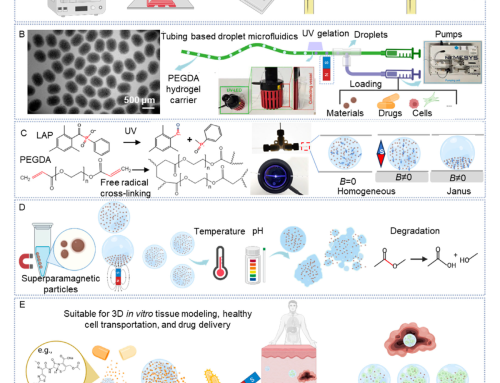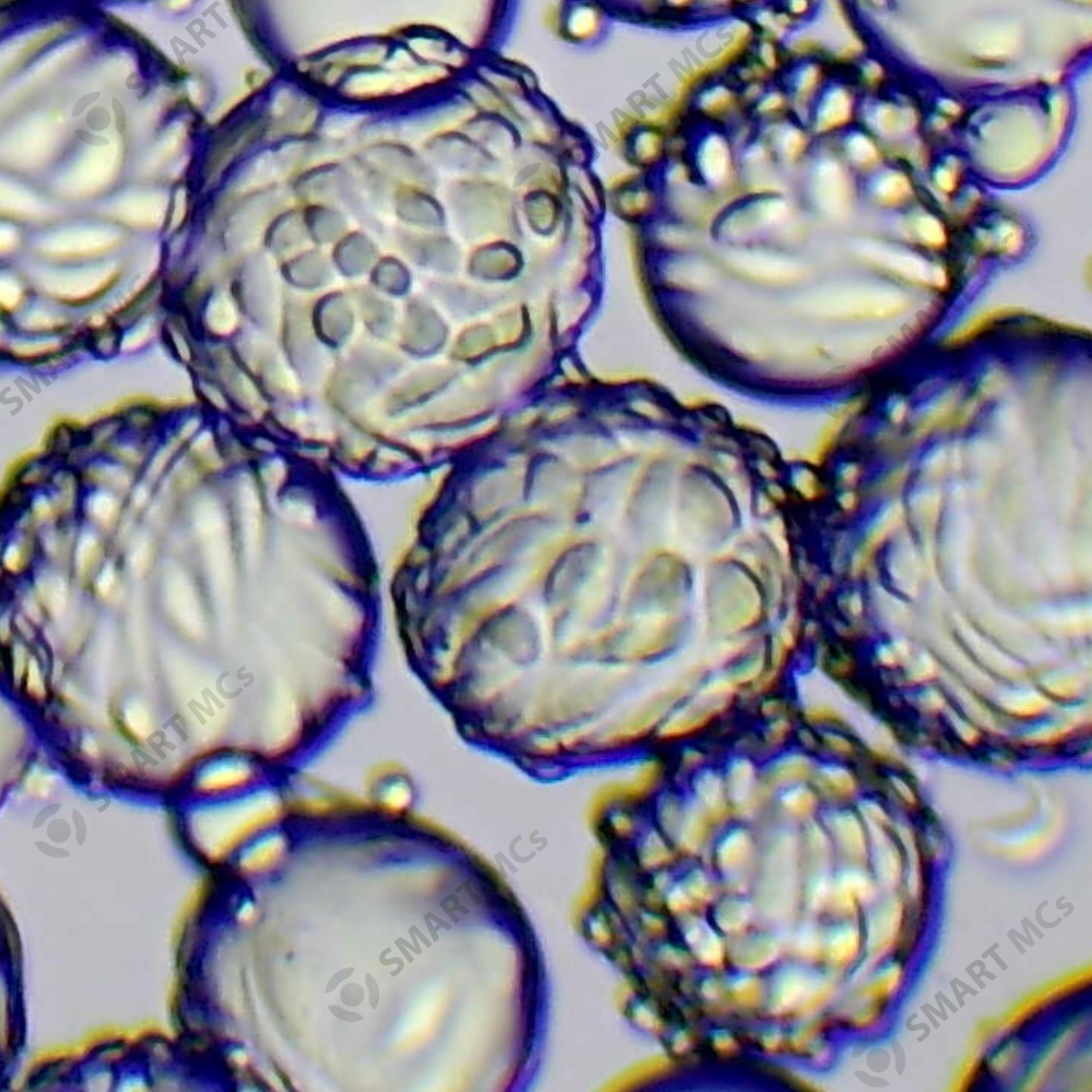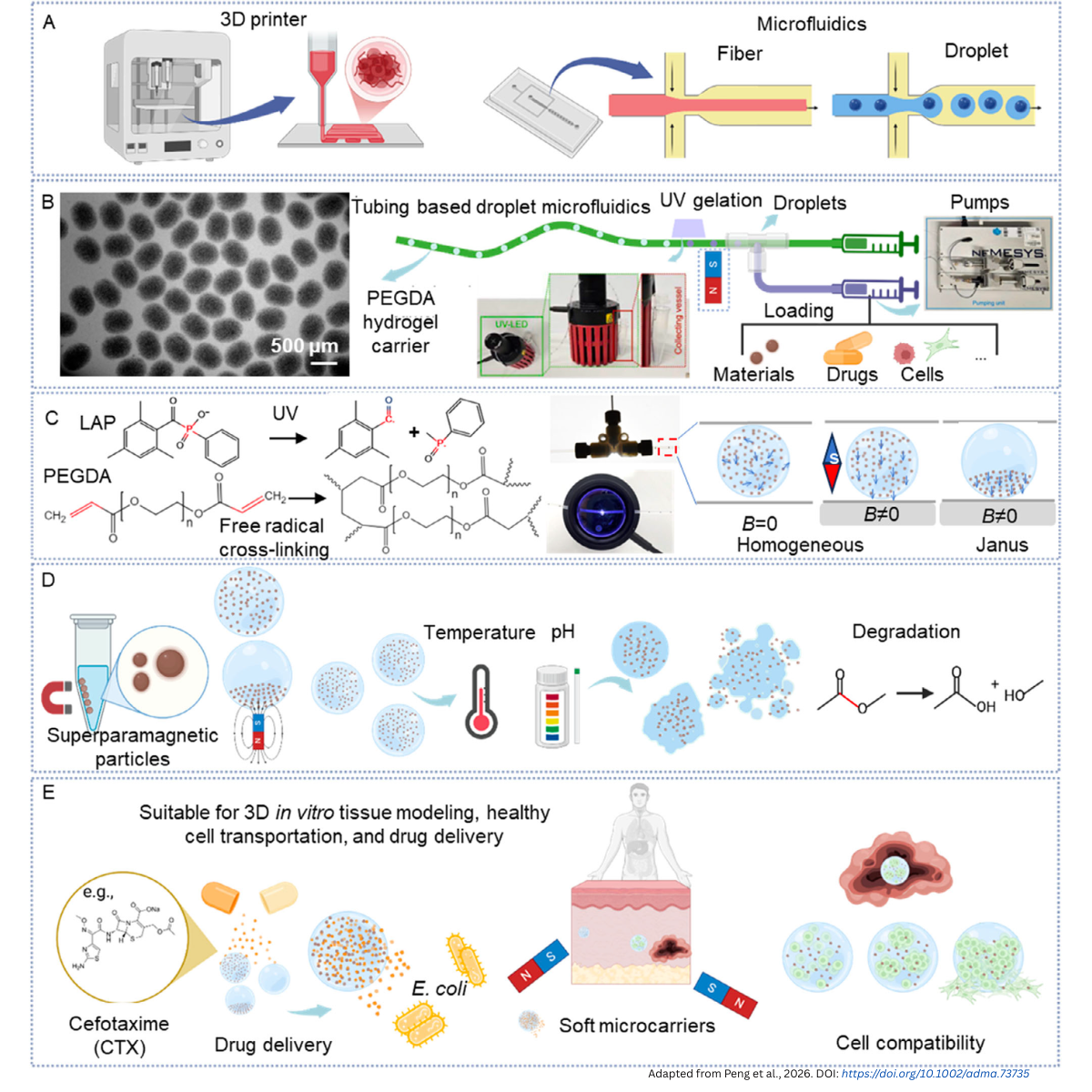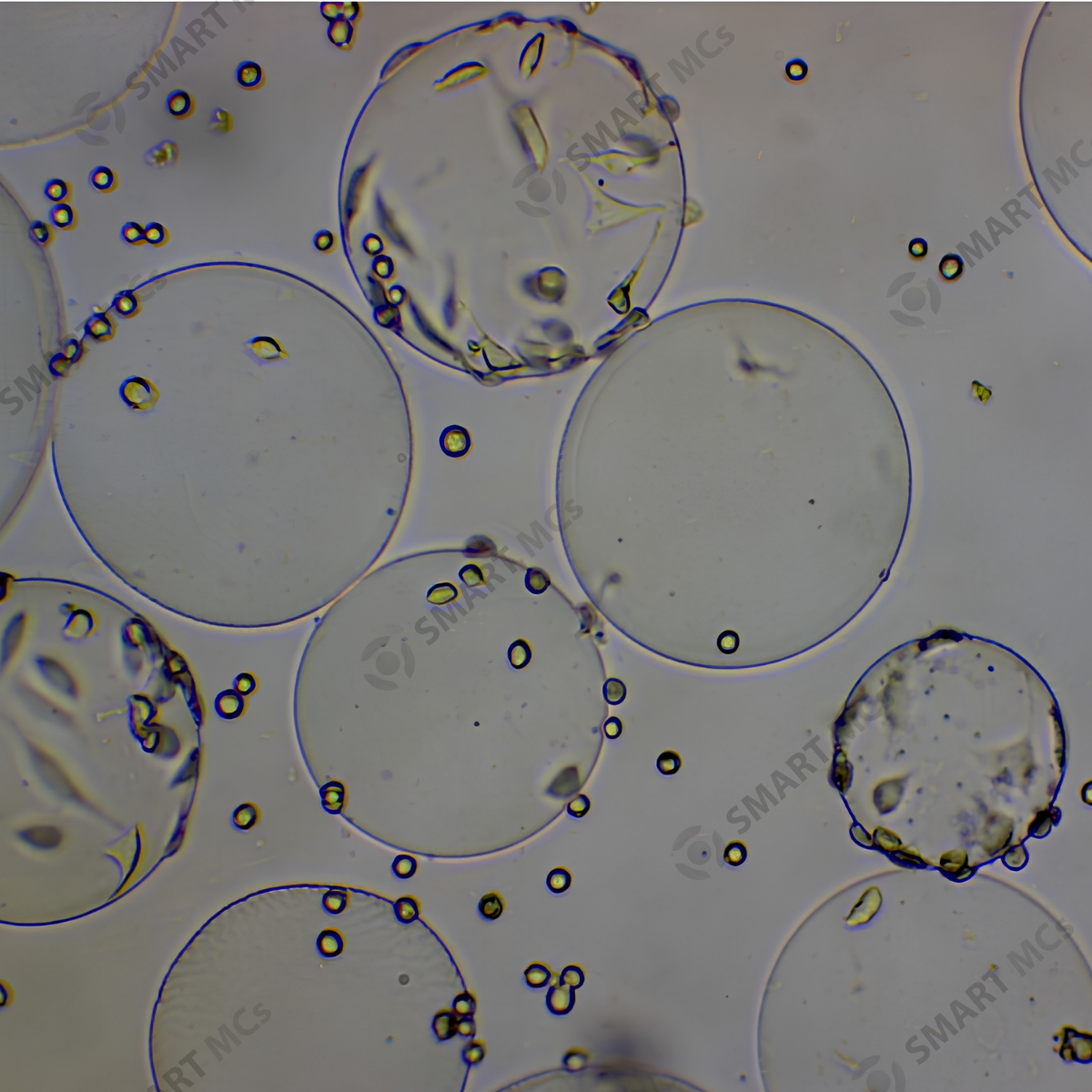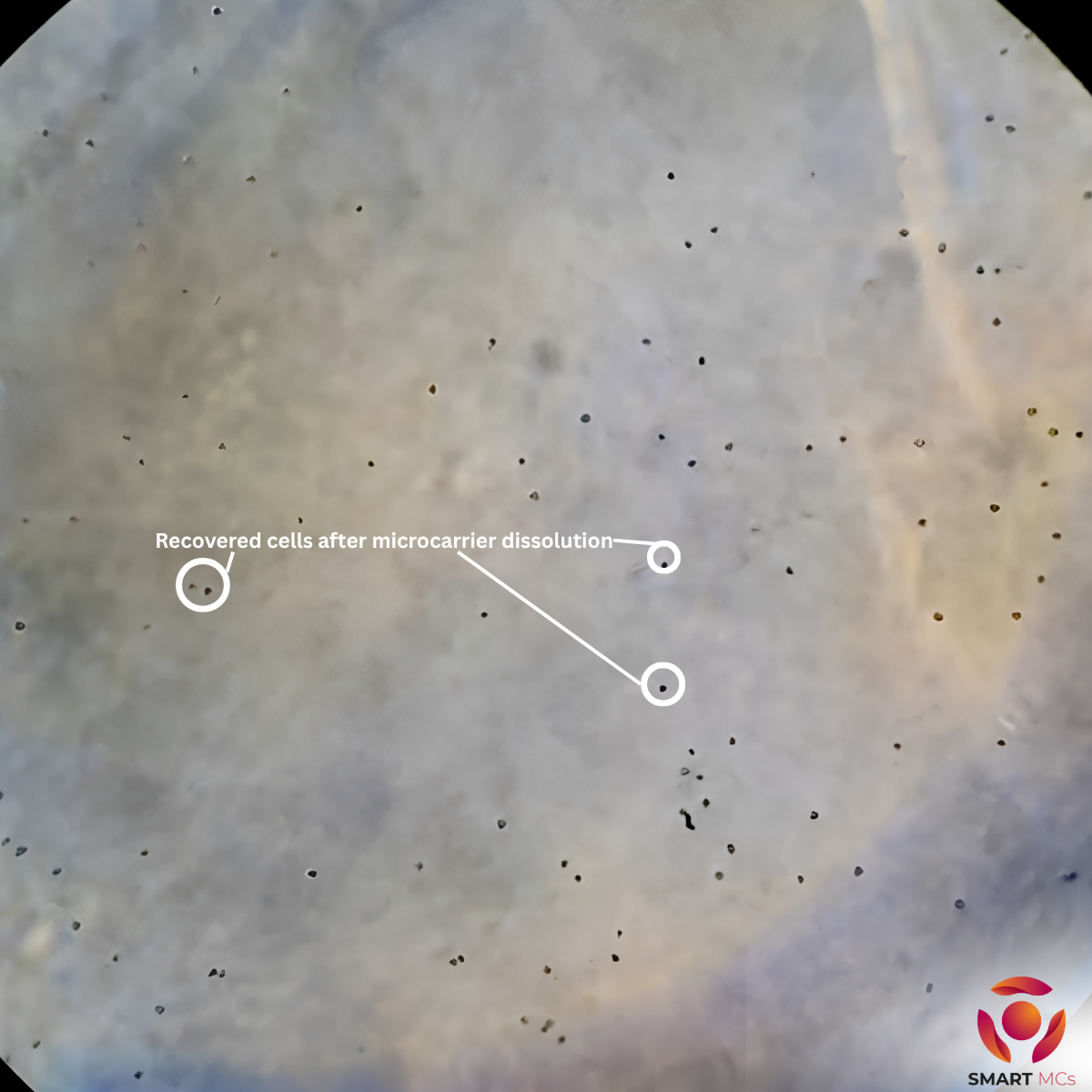
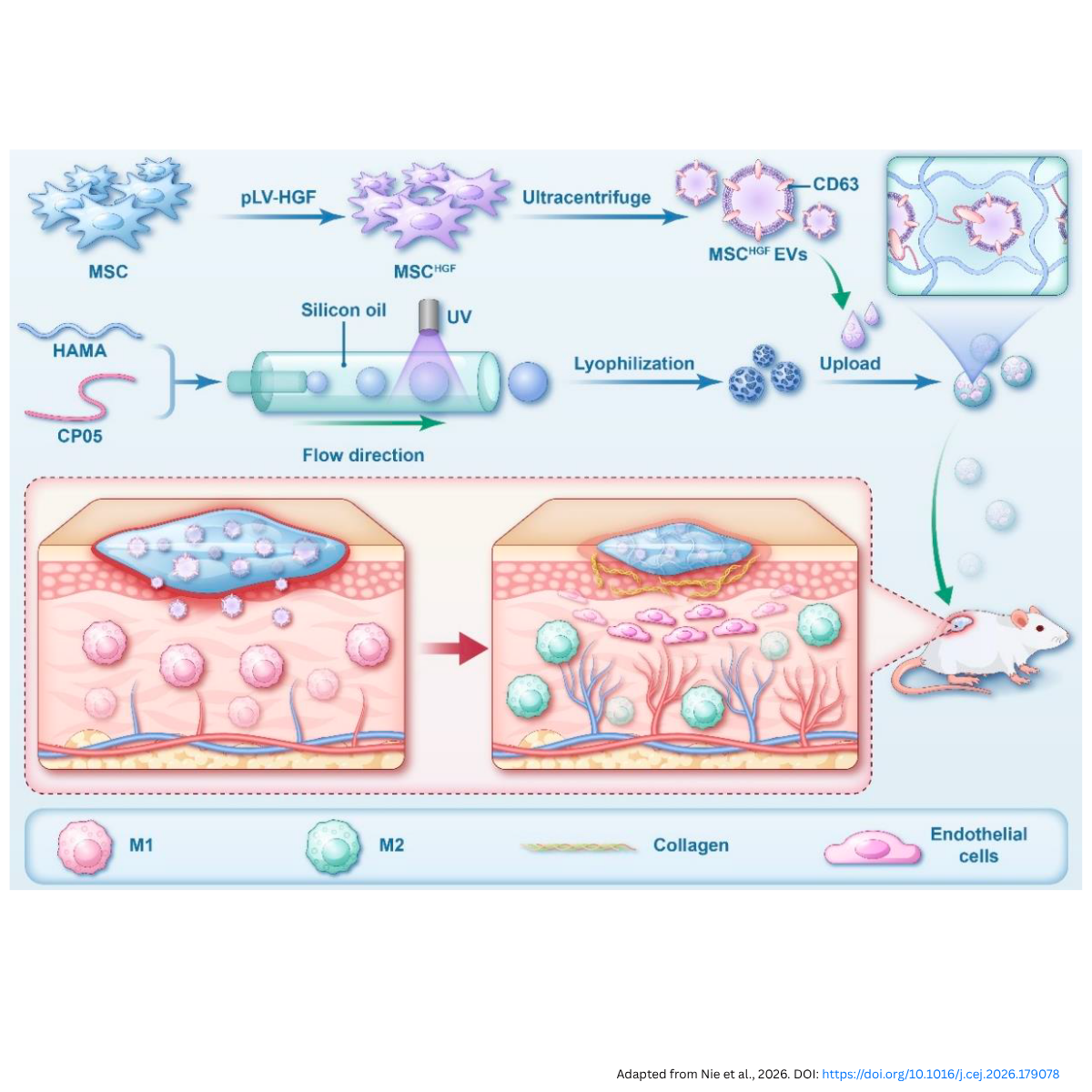
Figure 1. Overview of the peptide-functionalised hyaluronic acid microcarrier platform developed by Nie et al. Extracellular vesicles (EVs) derived from hepatocyte growth factor (HGF)-engineered mesenchymal stromal cells (MSCs) were captured using CP05-functionalised hyaluronic acid methacrylate (HAMA) microcarriers and evaluated as a sustained delivery platform for diabetic wound healing.
Microcarriers are widely used as surfaces for expanding adherent cells, but advances in biomaterials are opening up entirely new applications. Hydrogel microcarriers can now be engineered to deliver biologically active molecules, support tissue regeneration, and provide controlled release of therapeutic cargo.
A recent study by Nie et al. (2026) demonstrates one such application. The researchers developed peptide-functionalised hyaluronic acid microcarriers capable of capturing extracellular vesicles (EVs) derived from genetically engineered mesenchymal stromal cells. Rather than simply encapsulating EVs within a hydrogel, the microcarriers were designed to selectively bind them and release them gradually at the treatment site.
This study did not use Smart MCs microcarriers or Smart MCs products. We are highlighting it as an example of how hydrogel microcarriers are being explored for extracellular vesicle delivery, regenerative medicine, and controlled release applications.
Building a Microcarrier That Captures Extracellular Vesicles
Extracellular vesicles are nanoscale particles naturally released by cells and are increasingly being investigated for regenerative medicine because they carry proteins, lipids, and nucleic acids that influence tissue repair.
In this study, the researchers engineered mesenchymal stromal cells to overexpress hepatocyte growth factor (HGF) before isolating extracellular vesicles from these cells. The aim was to enhance the regenerative properties of the resulting EVs.
To deliver these vesicles, the authors fabricated hyaluronic acid methacrylate (HAMA) microcarriers using droplet microfluidics followed by UV crosslinking. The microcarriers were subsequently freeze-dried to create a porous structure suitable for EV loading.
The most interesting feature of the platform was the incorporation of CP05, a peptide that specifically binds CD63, a well-established surface marker found on extracellular vesicles. This allowed the hydrogel microcarriers to selectively capture EVs instead of relying solely on passive adsorption.
Improving Extracellular Vesicle Retention
One of the biggest challenges in extracellular vesicle therapy is keeping EVs at the target site long enough to exert a therapeutic effect.
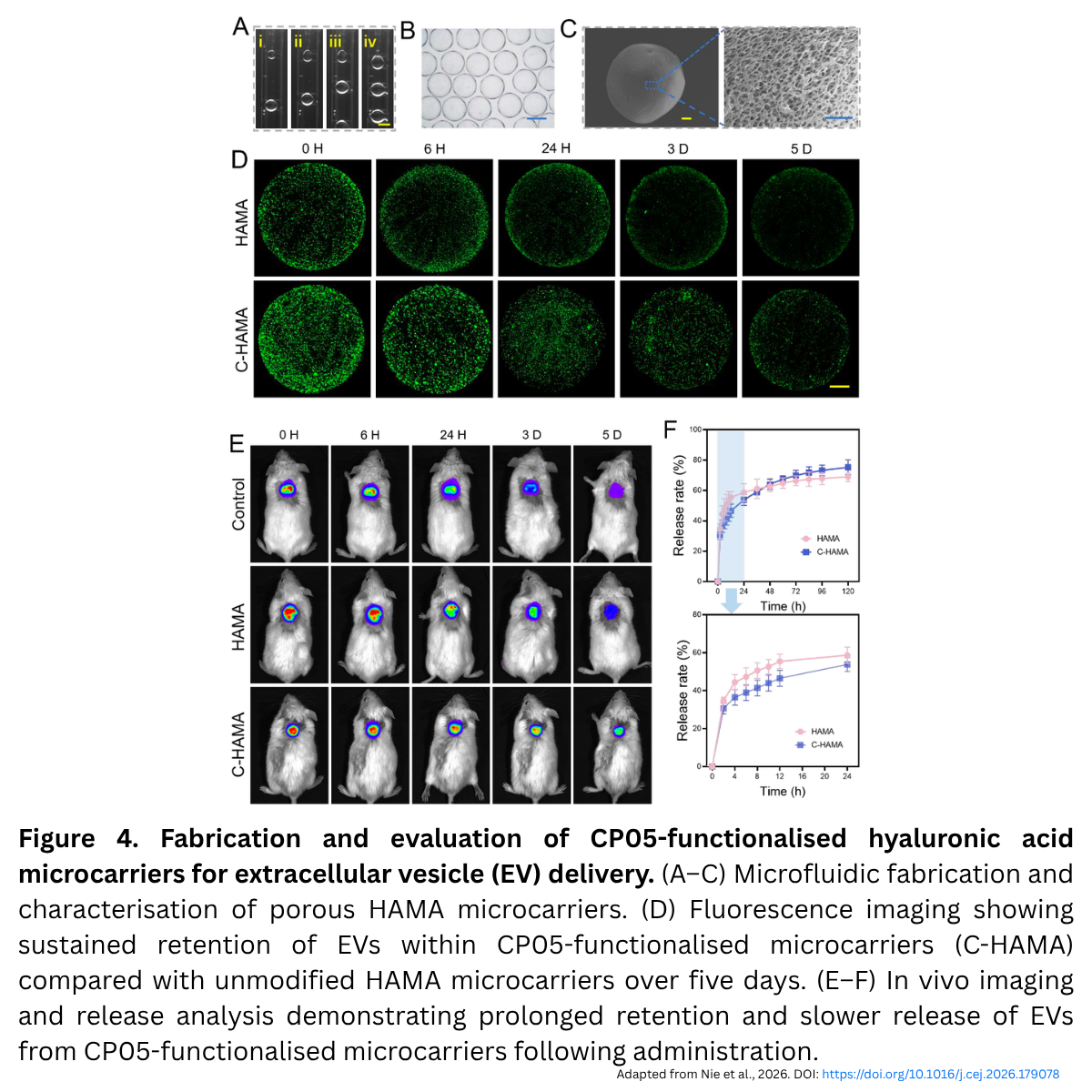
The researchers compared peptide-functionalised microcarriers with unmodified HAMA microcarriers and found that CP05-functionalised microcarriers retained extracellular vesicles for longer periods. Fluorescence imaging demonstrated prolonged EV retention, while release studies showed a more sustained release profile compared with the non-functionalised hydrogel.
This illustrates how modifying the surface chemistry of a microcarrier can influence not only what it carries, but also how that cargo is released.
By providing more sustained extracellular vesicle retention and release, the peptide-functionalised microcarriers addressed one of the major challenges of EV therapy: maintaining therapeutic EVs at the target site for prolonged local delivery.
Supporting Angiogenesis and Reducing Inflammation
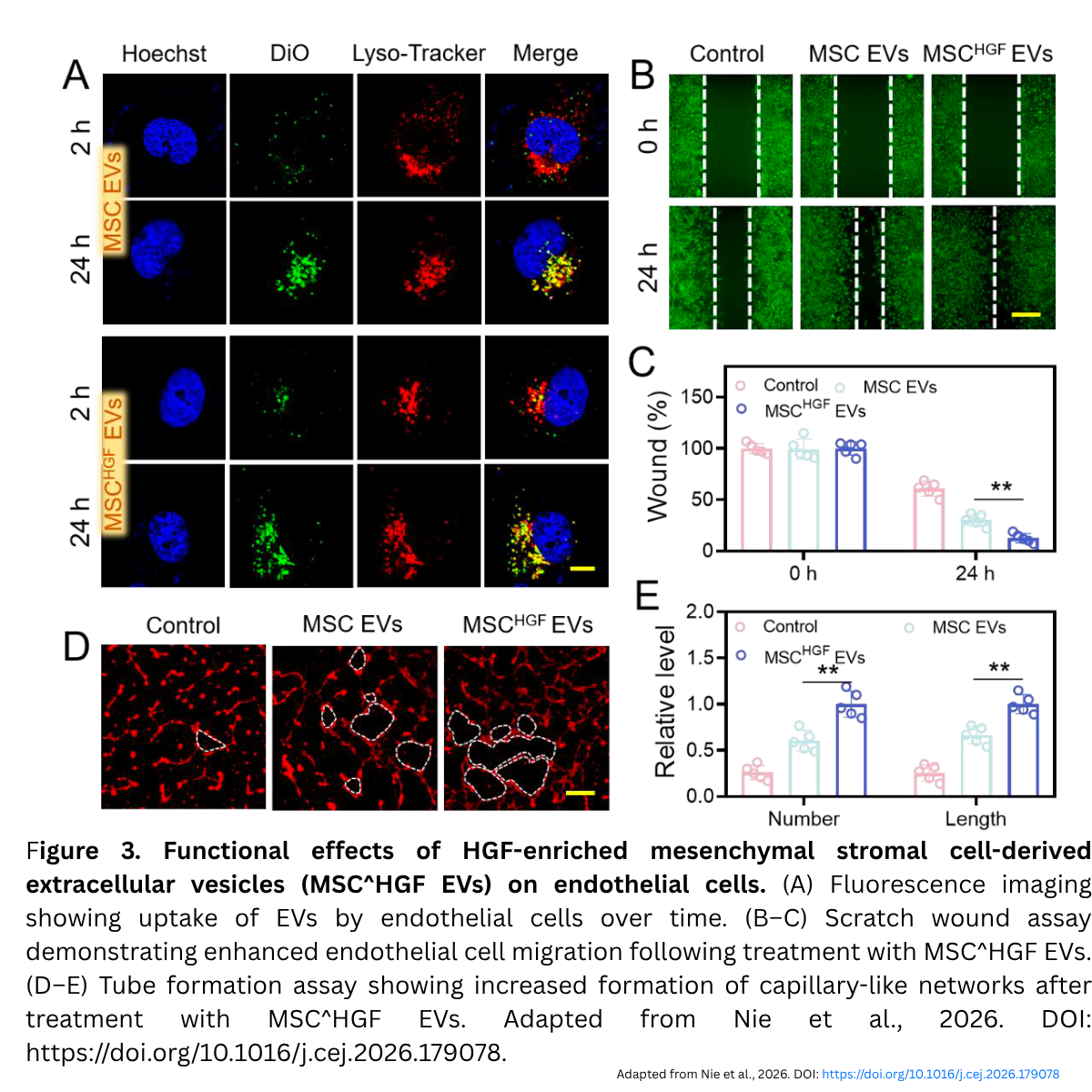
The authors next evaluated whether the engineered extracellular vesicles remained biologically active.
Human umbilical vein endothelial cells readily internalised both control and HGF-enriched extracellular vesicles, with no significant difference in uptake between the two groups. However, HGF-enriched EVs promoted greater endothelial cell migration and tube formation than control EVs, indicating enhanced angiogenic activity.
The study also investigated macrophage behaviour. HGF-enriched EVs reduced expression of the inflammatory marker iNOS while increasing expression of the anti-inflammatory marker CD206, suggesting a shift towards a more regenerative macrophage phenotype.
Together, these findings suggest that the engineered EVs could influence multiple aspects of tissue repair, including vascularisation and inflammatory responses.
A Better Outcome in a Diabetic Wound Model
To evaluate the complete delivery platform, the researchers tested the EV-loaded microcarriers in a diabetic mouse wound model.
Compared with untreated controls, extracellular vesicles alone, or empty microcarriers, the peptide-functionalised microcarriers loaded with HGF-enriched EVs produced the best overall healing response. The treated wounds showed faster closure, increased collagen deposition, greater blood vessel formation, and reduced inflammatory markers.
Although the study focused on diabetic wound healing, it also demonstrated how hydrogel microcarriers can function as local delivery systems for biological therapeutics.
Why This Matters for Microcarrier Research
This paper is a good example of how microcarrier technology is evolving beyond traditional cell expansion.
Instead of acting solely as substrates for adherent cell culture, hydrogel microcarriers can be engineered to perform additional functions by modifying their composition or surface chemistry. In this study, peptide functionalisation enabled selective extracellular vesicle capture and sustained release, expanding the role of the microcarrier from a passive scaffold to an active delivery platform.
While the application here was wound healing, similar strategies could be explored for regenerative medicine, controlled release, tissue engineering, and other areas where local delivery of biological molecules is beneficial.
More broadly, the study demonstrates how surface functionalisation can transform hydrogel microcarriers from passive carriers into biomaterials capable of selectively capturing and releasing therapeutic cargo in a controlled manner.
Important Limitations
As with many early-stage biomaterials studies, the work remains preclinical.
The therapeutic experiments were performed in a diabetic mouse model, and the extracellular vesicles were obtained from genetically engineered mesenchymal stromal cells. Further studies will be required to standardise extracellular vesicle manufacturing, evaluate long-term safety, and determine whether this approach can be translated into clinical applications.
Takeaway
Nie et al. demonstrated that peptide-functionalised hyaluronic acid microcarriers can specifically capture extracellular vesicles and provide sustained local delivery. By combining a hydrogel microcarrier with engineered MSC-derived EVs, the researchers improved EV retention and enhanced wound healing outcomes in a diabetic mouse model.
Beyond the specific application, the study highlights an important trend in biomaterials research: microcarriers are becoming multifunctional platforms. Through careful material design and surface modification, they can be adapted not only for cell culture, but also for controlled delivery of therapeutic molecules, making them valuable tools across regenerative medicine and tissue engineering.
Reference
Nie, M., Huang, D., Hang, Y., Zhao, Y., & Sun, L. (2026). Peptide integrated hyaluronic microcarriers for functional extracellular vesicles enrichment and refractory wounds treatment. Chemical Engineering Journal. https://doi.org/10.1016/j.cej.2026.179078.
Disclaimer
Smart MCs is not affiliated with the authors of this work. This study did not use Smart MCs microcarriers or Smart MCs products. This article is intended to highlight emerging research involving hydrogel microcarriers and their potential applications in extracellular vesicle delivery, regenerative medicine, tissue engineering, and controlled release for educational purposes.
Smart MCs Microcarriers
While this study did not use Smart MCs products, it demonstrates the growing versatility of hydrogel microcarriers in biomedical research. Beyond adherent cell expansion, microcarriers are increasingly being explored as platforms for controlled release, regenerative medicine, extracellular vesicle delivery, and advanced biomaterials research.
Smart MCs develops innovative microcarrier technologies for adherent cell culture, regenerative medicine, tissue engineering, and biomaterials research. Our portfolio includes P1 Synthetic Microcarriers, P2 Dissolvable Microcarriers, X1 Dissolvable Microcarriers, together with hydrogels, reagents, and consumables that support cell culture and biomaterials research.
For more information about Smart MCs microcarriers and research products, please visit our website or contact info@smartmcs.com.au.