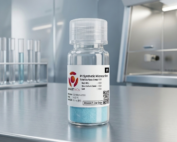
Microcarriers
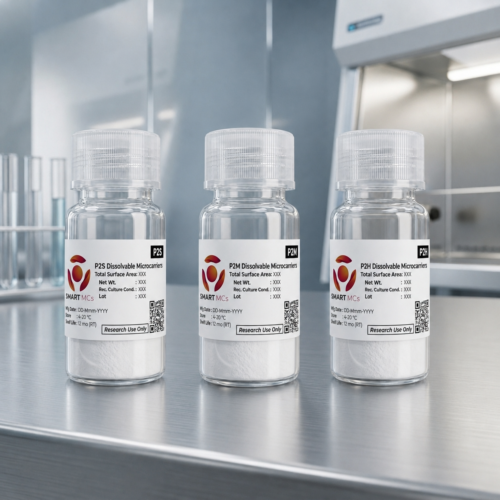
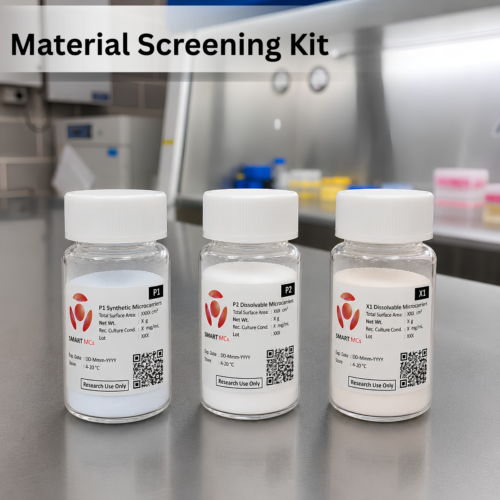
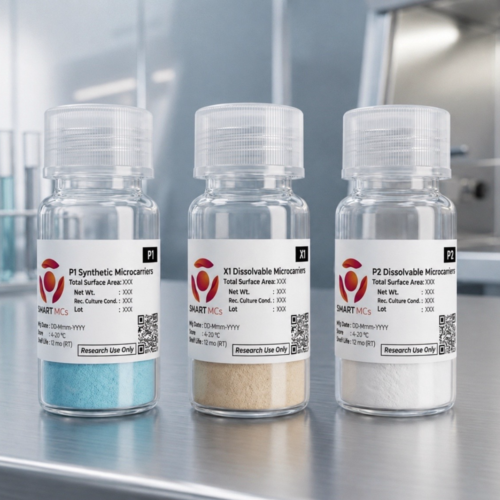
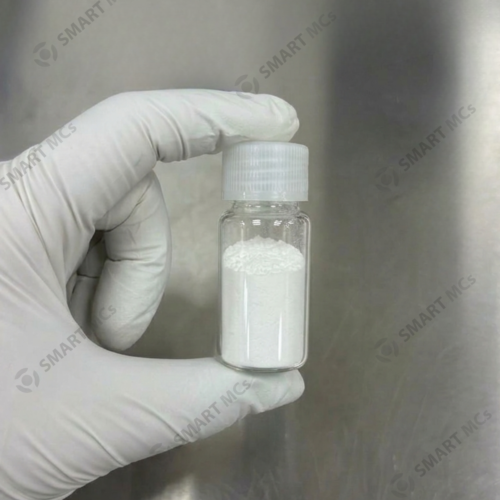
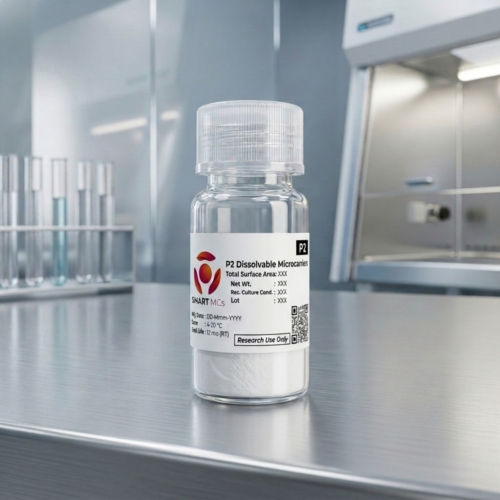
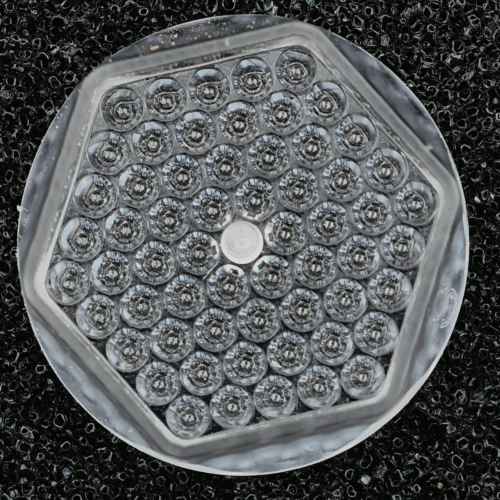
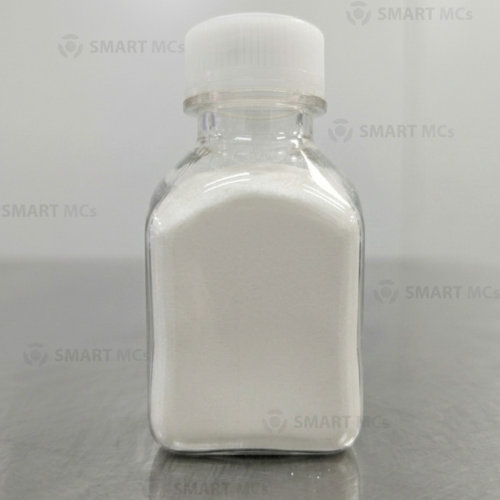
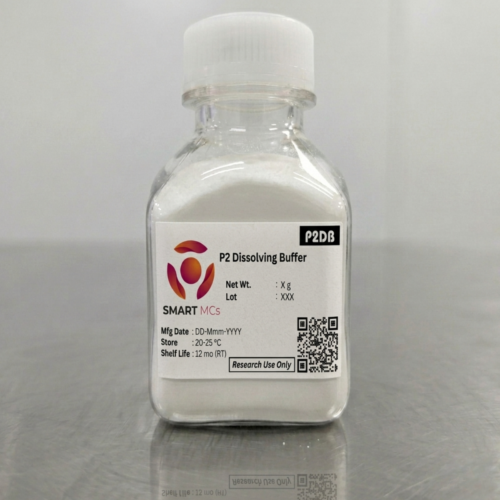
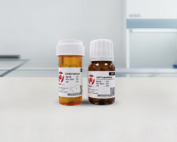
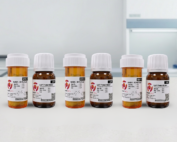
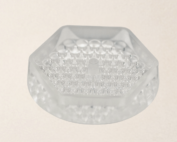
P2 dissolvable microcarriers are designed for cell culture processes where efficient cell expansion and simplified harvesting are required. These microcarriers for cell culture are made from a plant-based biopolymer and can be removed through a controlled dissolution step, eliminating the need for filtration or mechanical separation.P2 supports a range of adherent cell types and can be tailored in stiffness, size, and surface properties depending on process requirements.Key Features
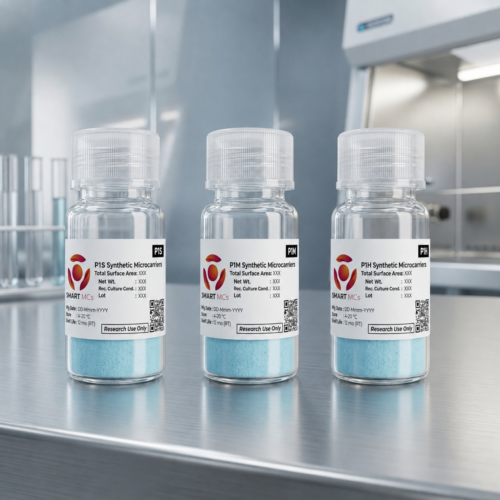
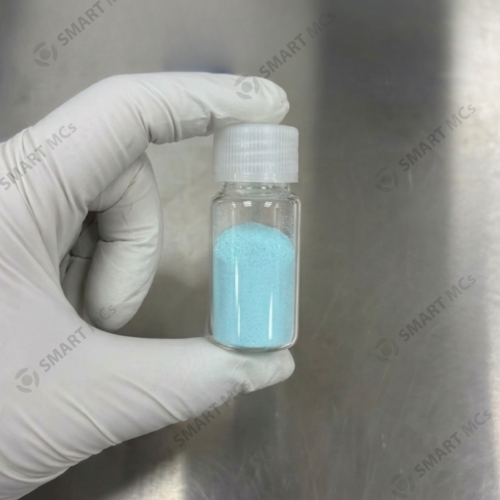
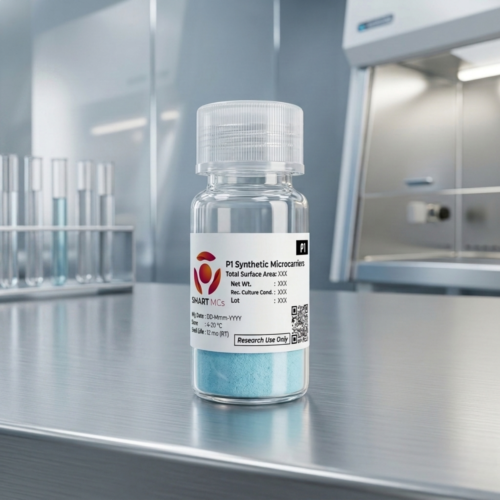
P1 synthetic microcarriers are microcarriers for cell culture designed to support the expansion of adherent cells, including more demanding cell types. Made from a fully defined synthetic polymer, P1 provides a controlled and consistent surface for cell attachment.These microcarriers are not dissolvable and are suited to processes where stable, non-degradable carriers are required. P1 can be tailored in stiffness, size, and surface properties depending on application needs.Key Features
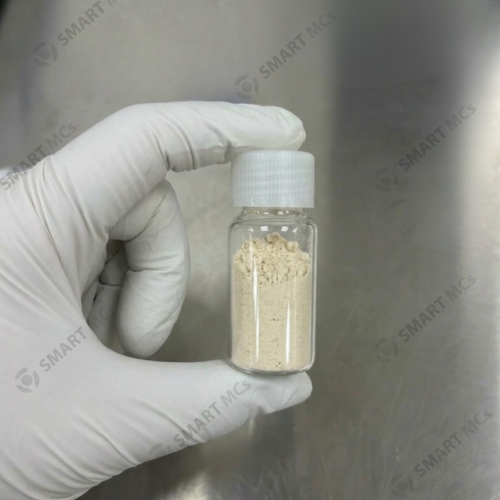
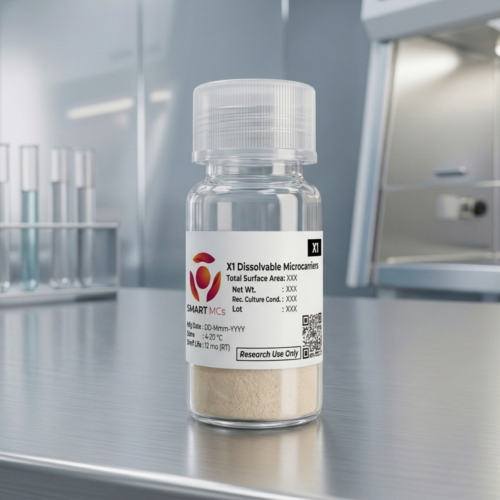
X1 dissolvable microcarriers are microcarriers for cell culture made from a gelatin-based material, designed to support attachment and expansion of adherent cells. These dissolvable microcarriers can be removed through enzymatic digestion using TrypLE or Trypsin, enabling cell harvest without mechanical separation.X1 provides a biologically derived surface that supports a wide range of commonly used cell types and can be tailored in stiffness, size, and surface properties depending on application needs.Key Features
Hydrogels

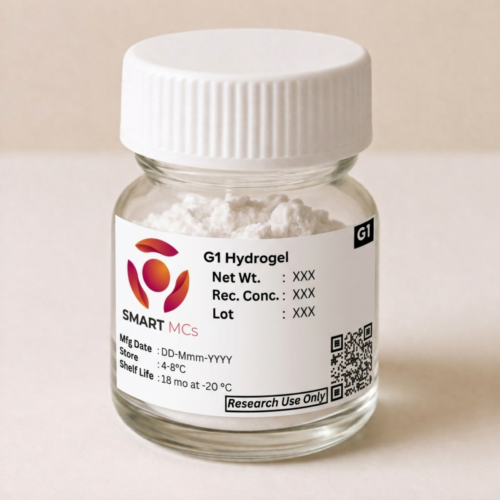
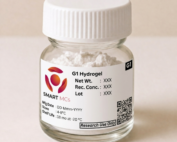
G1 Hydrogel is an animal-free hydrogel designed for simple, room-temperature operation. It forms a stable gel instantly upon the addition of cell culture media, making it ideal for cell culture, tissue engineering, and biomedical research.
Custom modifications are available upon request, including peptide functionalisation and composite hydrogel systems.
- One-step, room-temperature gelation
- Animal-free formulation
- Tunable stiffness and bioactivity
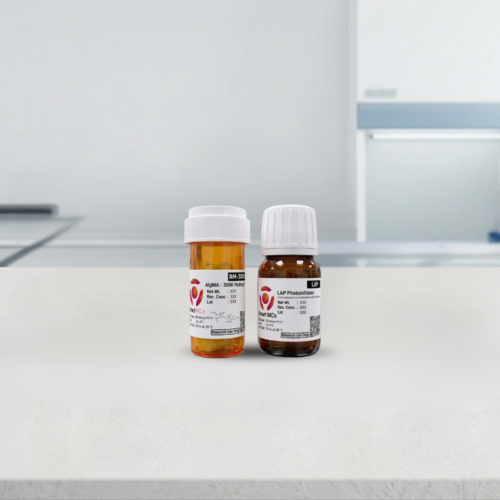
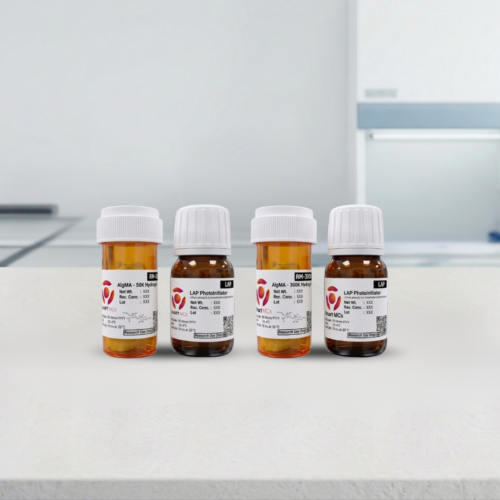
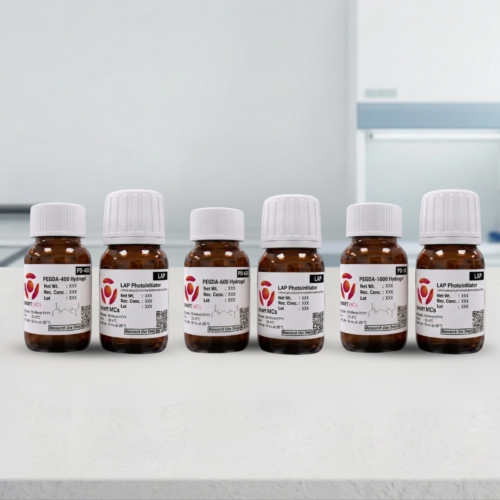
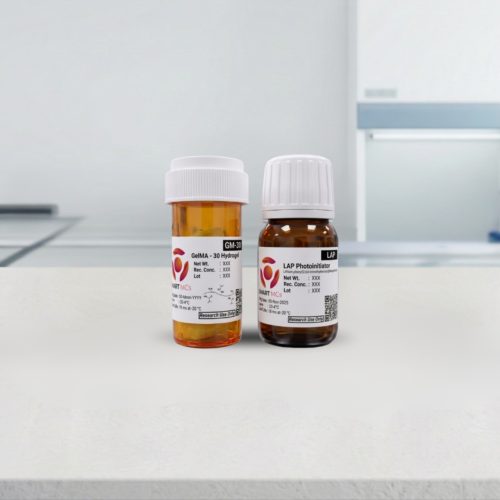
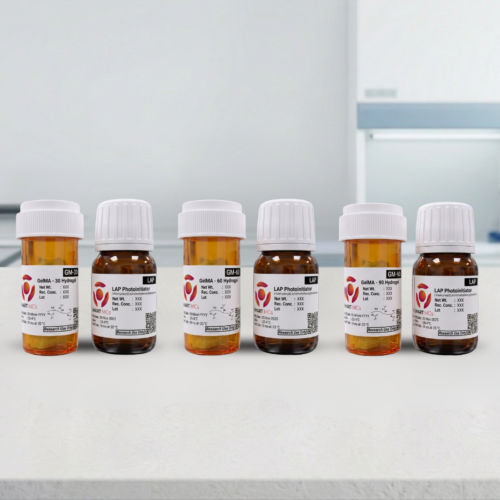
Alginate Methacryloyl (AlgMA) is a photocrosslinkable hydrogel used in 3D cell culture, tissue engineering, and bioprinting. It is derived from sodium alginate and modified to enable light-based crosslinking, offering a more controlled and uniform alternative to traditional ionic (calcium) gelation.At Smart MCs, AlgMA is supplied with a compatible photoinitiator (LAP), allowing fast and consistent hydrogel formation under UV or visible light.For research use only. Not intended for human clinical applications.
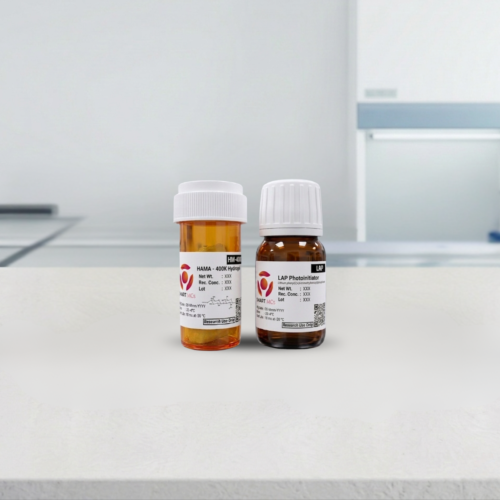
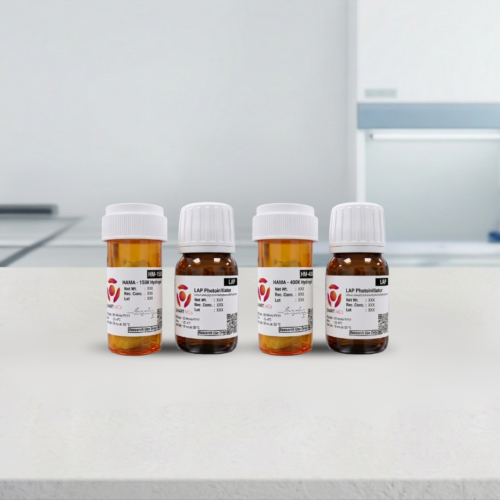
Hyaluronic Acid Methacryloyl (HAMA) is a light-curable hydrogel used in 3D cell culture, tissue engineering, and bioprinting. Derived from hyaluronic acid, it provides a biologically relevant environment that supports cell behaviour while allowing control over mechanical properties.At Smart MCs, HAMA is supplied with a compatible photoinitiator (LAP), enabling fast and reliable light-based crosslinking.For research use only. Not intended for human clinical applications.
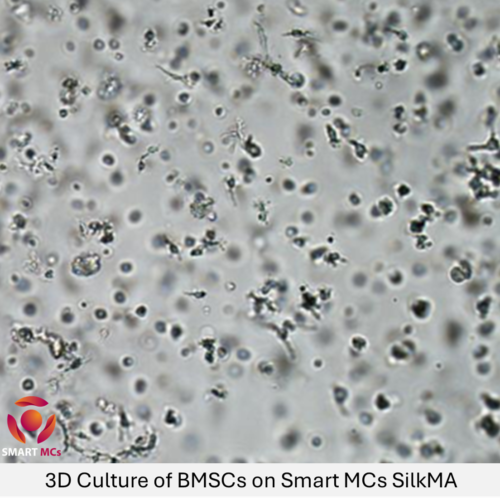
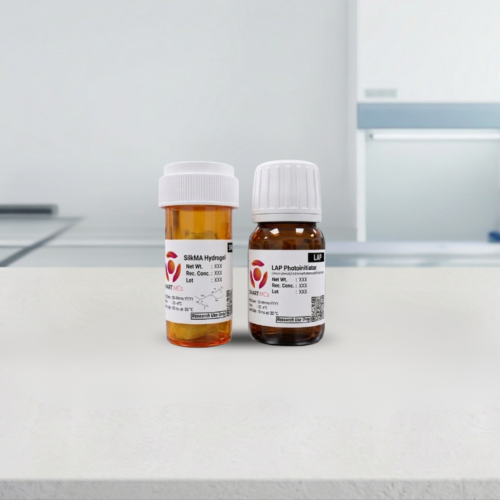
Silk Fibroin Methacryloyl (SilkMA) is a photocrosslinkable hydrogel derived from natural silk fibroin. It combines the strength and stability of silk with the flexibility of light-based crosslinking, making it suitable for 3D cell culture, tissue engineering, and bioprinting.At Smart MCs, SilkMA is supplied with a compatible photoinitiator (LAP), enabling fast and reliable hydrogel formation under UV or visible light.For research use only. Not intended for human clinical applications.
Reagents and Consumables
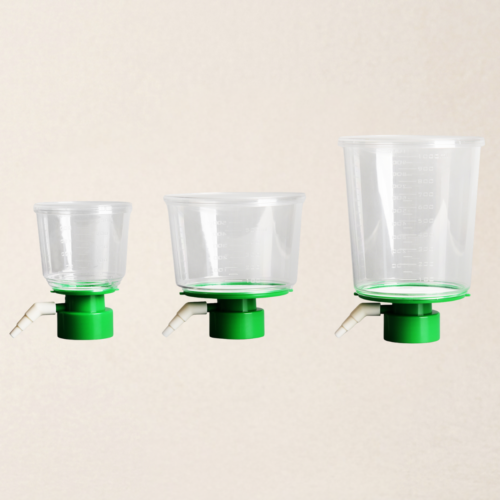
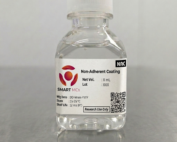
Reliable Non-Adherent Surface Coating for Suspension, Microcarrier, and 3D Cell Culture Systems
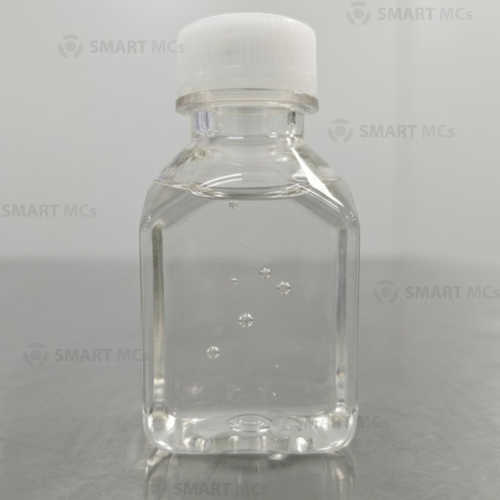
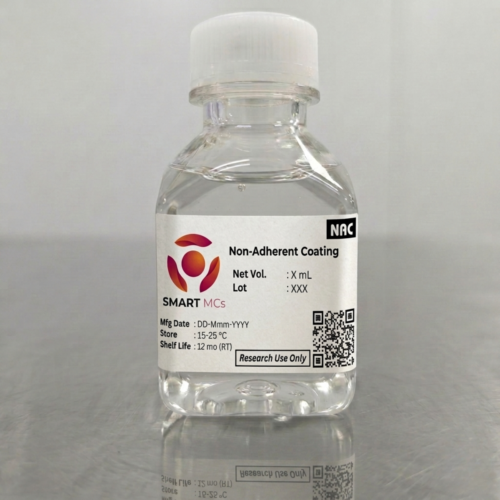
Smart MCs’ Non-Adherent Coating is a high-performance, research-grade solution designed to create uniform ultra-low attachment (ULA) surfaces on standard laboratory plasticware and glassware. It effectively prevents non-specific cell adhesion, ensuring cells remain in suspension or selectively attach to intended substrates such as microcarriers.Optimised for modern cell culture workflows, this coating improves experimental reproducibility, enhances cell distribution, and supports scalable microcarrier-based systems.
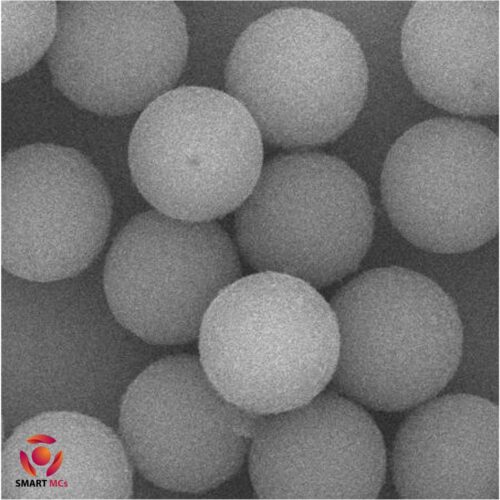
High-Quality Microbeads and Magnetic Beads (20 nm – 1000 µm)Monodisperse Microspheres are precision-engineered microbeads designed for cell separation, biological research, diagnostics, and particle filtration. Available in both standard and magnetic bead formats, these particles provide highly controlled size distribution for reproducible and reliable experimental outcomes.Our microbeads are available in a wide size range from 20 nm to 1000 µm, with options for functionalised (e.g., antibody-coated) or non-functionalised surfaces to suit diverse laboratory applications.

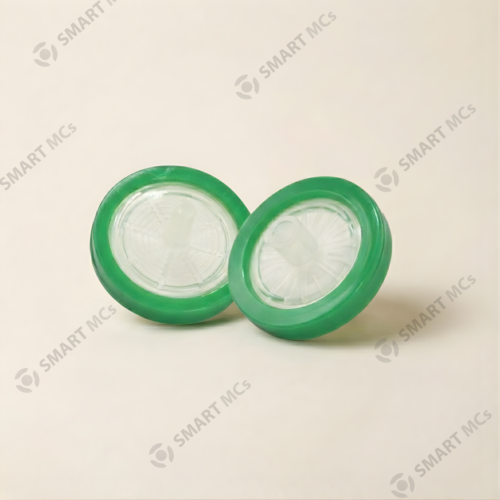
Reliable Sterile Filtration and Particle Removal (0.22 µm & 0.45 µm)
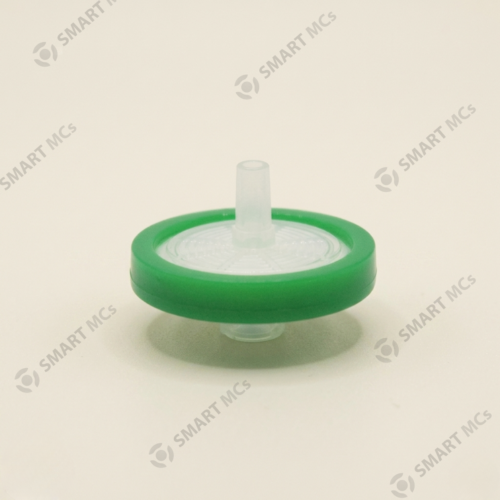
Sterile Syringe Filters are essential laboratory filtration devices used for sterile filtration, particle removal, and solution preparation. Designed for compatibility with standard syringes, they ensure efficient removal of bacteria, particulates, and contaminants while maintaining sample integrity.Available in 0.22 µm and 0.45 µm pore sizes, these filters support a wide range of applications from cell culture media sterilisation to analytical sample preparation.
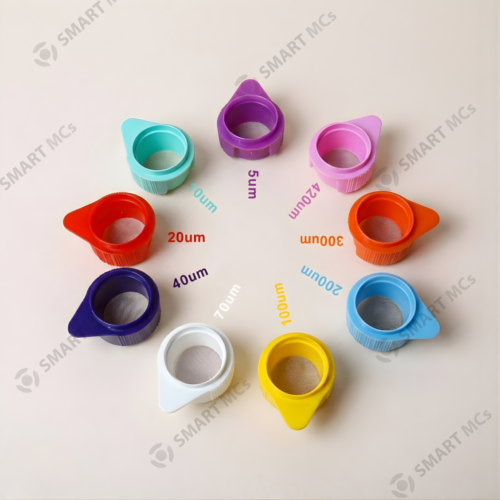
Sterile Cell Strainers for Precise Size-Based Separation (5 µm – 420 µm)
Cell Strainers are essential laboratory filtration devices used for cell culture, cell isolation, and single-cell suspension preparation. Designed to fit standard Falcon tubes, they enable fast, reproducible cell filtration while improving sample quality and downstream analysis.Available in a wide range of pore sizes from 5 µm to 420 µm, our sterile cell strainers support applications from single-cell preparation to microcarrier separation.
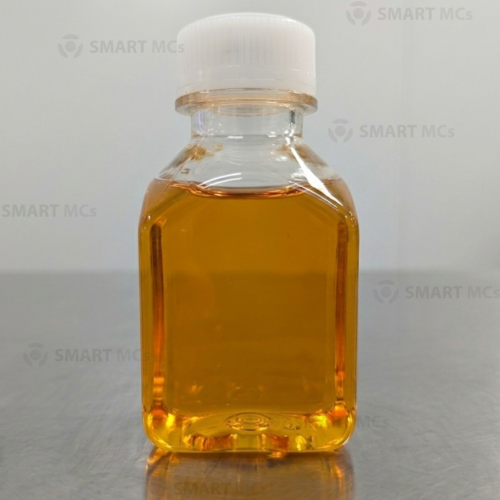
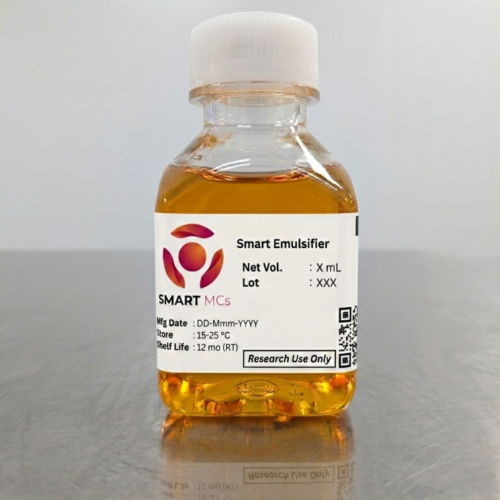
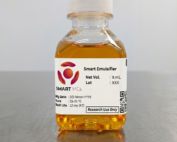
A Cost-Effective Mineral Oil Alternative to Fluorinated SystemsSmart Emulsifier is a proprietary, research-grade droplet generation oil developed by Smart MCs. Engineered specifically for microfluidic applications, it provides a stable, low-cost alternative to expensive fluorinated oils while maintaining consistent monodispersity and biocompatibility in cell-based and biomaterial workflows.
Laboratory Equipment
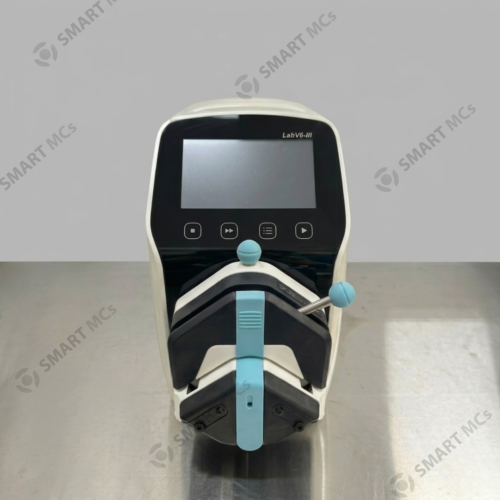
Cell Culture Vessel for Microcarrier and Suspension Systems (1 L – 5 L)
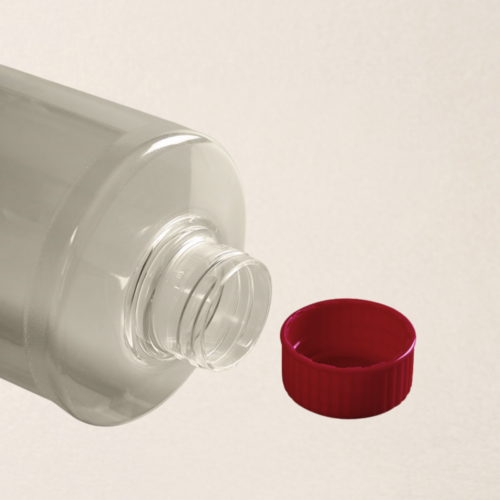
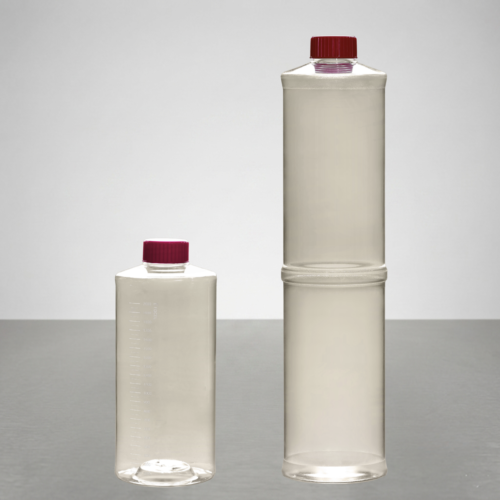
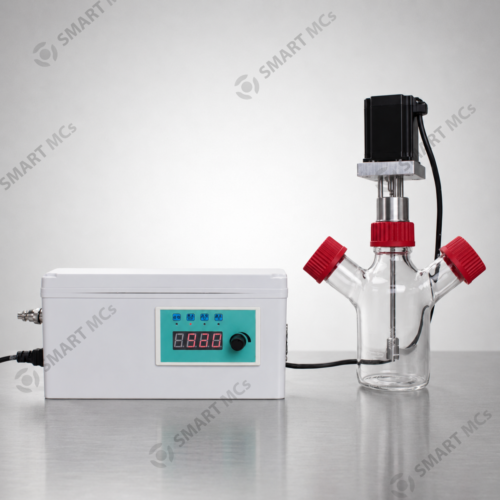
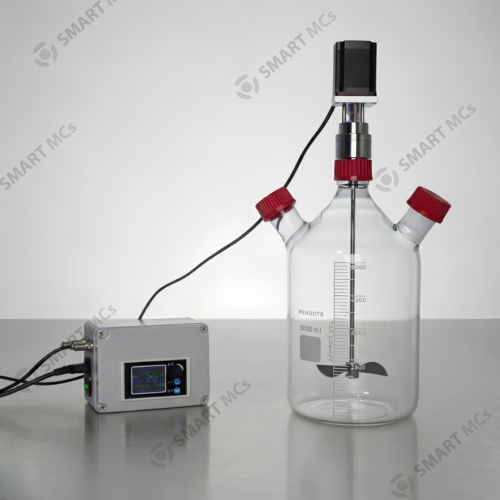
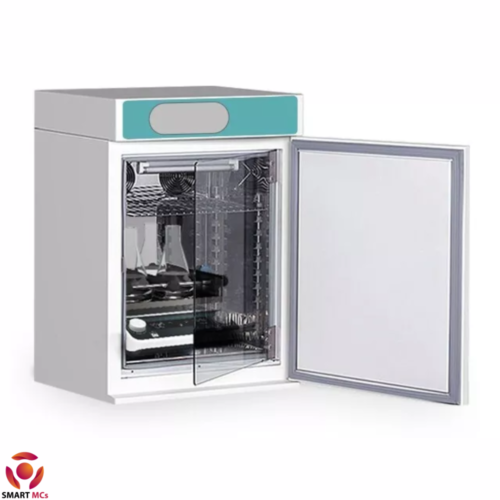
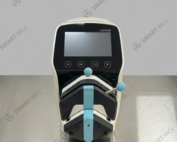
The Large Culture Vessel is a laboratory cell culture vessel designed for microcarrier-based and suspension cell cultures. It features an integrated mixing unit, eliminating the need for external magnetic stirrers while providing controlled agitation within standard incubators.With an adjustable speed range, including low-speed operation (~30 RPM), it is suitable for mixing sensitive cell cultures while maintaining suspension and supporting nutrient distribution.Available in 1 L, 3 L, and 5 L volumes, this system supports scale-up from smaller culture formats.

Controlled Orbital Mixing for Laboratory Applications
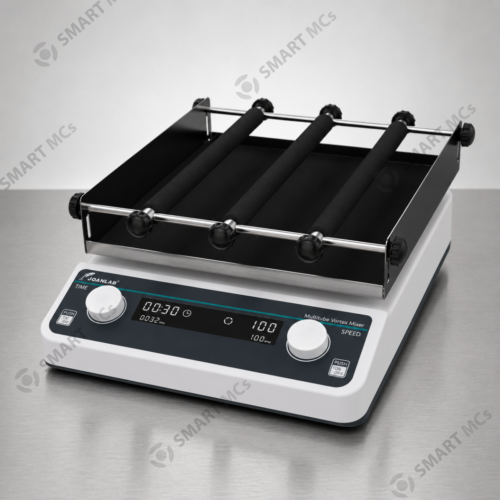
The Orbital Shaker is a laboratory instrument designed for uniform mixing of samples through controlled orbital motion. It provides adjustable speed and timing functions, supporting consistent agitation for a range of laboratory applications.
Available in multiple configurations, it accommodates different vessel types and enables parallel sample processing.
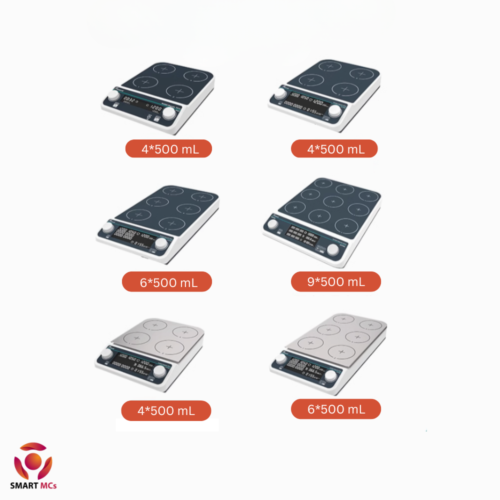
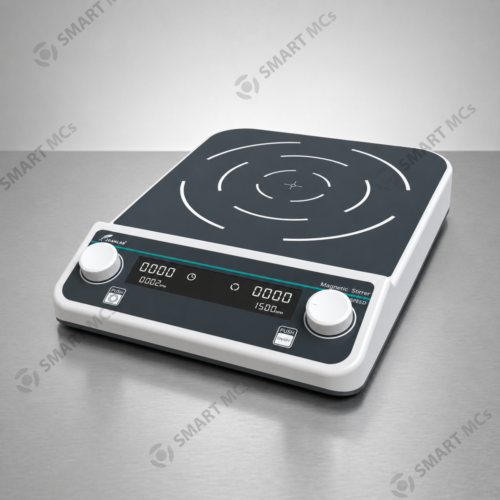
Controlled Stirring for Cell Culture and Laboratory MixingThe Magnetic Stirrer is a laboratory instrument designed to provide consistent and adjustable stirring for cell culture and general laboratory applications. It supports uniform mixing and solution homogeneity, making it suitable for use with spinner flasks and other stirred systems.
Available in multiple configurations, including single and multi-position units, it enables parallel sample processing and flexible laboratory setup.
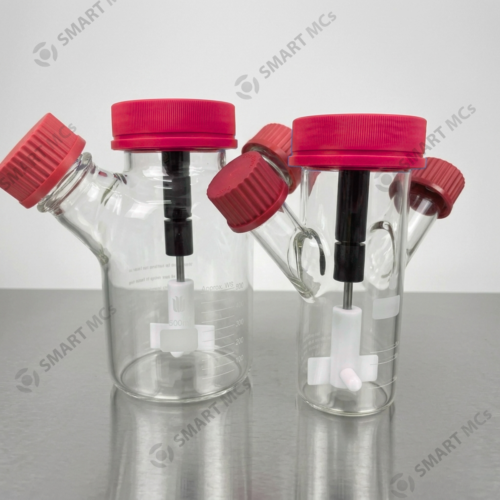
Consistent Agitation for Reliable Cell Expansion (125 mL & 500 mL)The Magnetic Spinner Flask is a specialised laboratory vessel designed for microcarrier-based cell culture and suspension cell culture. Using a magnetic stir bar system, it provides smooth, controlled agitation to support uniform cell growth, efficient nutrient distribution, and improved culture scalability.Ideal for transitioning from T-flasks and roller bottles to spinner flask systems, it enables reliable scale-up while maintaining reproducibility.
Microfluidics

Smart MCs provides organ-on-a-chip (OoC) devices designed to model tissue microenvironments using microfluidic systems. These lab-on-a-chip platforms enable controlled fluid flow, cell–cell interactions, and integration with extracellular matrix (ECM) hydrogels for in vitro studies.
Organ-on-a-chip devices are used to study physiological responses, disease mechanisms, and interactions with pharmaceutical compounds under controlled conditions.
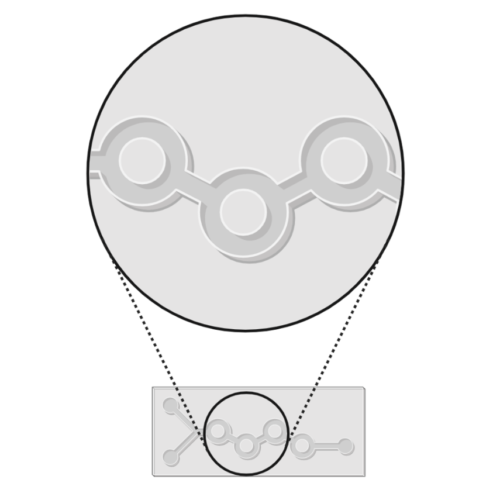
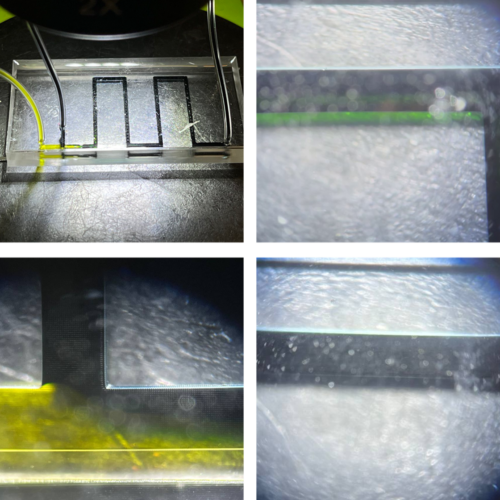
Smart MCs provides micromixers designed for efficient mixing of fluids at the microscale. These microfluidic devices enable rapid and controlled mixing under laminar flow conditions, improving reaction efficiency and reproducibility in biological and chemical applications.
Micromixers are suitable for handling small volumes, supporting precise reagent mixing in research and process development.
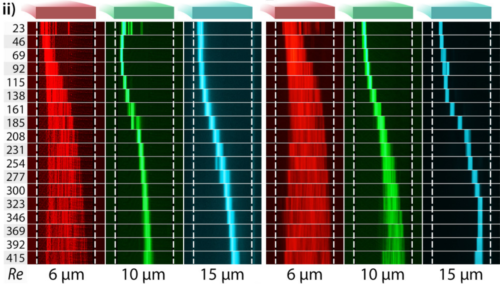
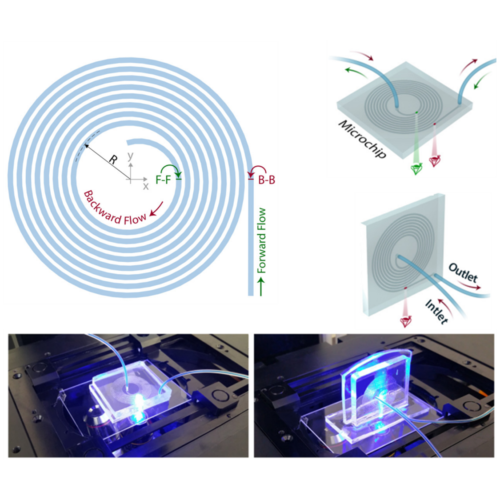
Smart MCs provides micron-particle sorting devices based on inertial microfluidics for size-based separation of particles and cells. These systems use spiral microchannels to focus and separate particles according to their size and biophysical properties under continuous flow conditions.
The devices are suitable for sorting particles ranging from approximately 3 µm to over 100 µm, supporting a wide range of biological and research applications.
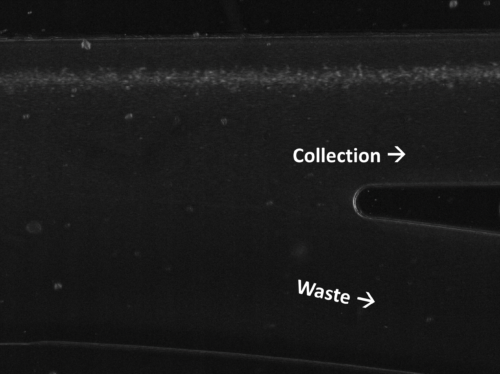
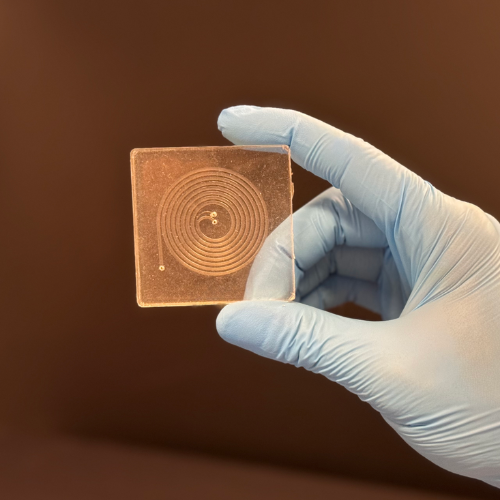
Smart MCs provides microfluidic systems for pathogen purification based on inertial microfluidics. These devices enable size-based separation of microorganisms, cells, and debris from biological samples under continuous flow conditions.
The system is designed to support purification of complex samples from human, animal, and environmental sources, reducing unwanted components such as debris and background cells.
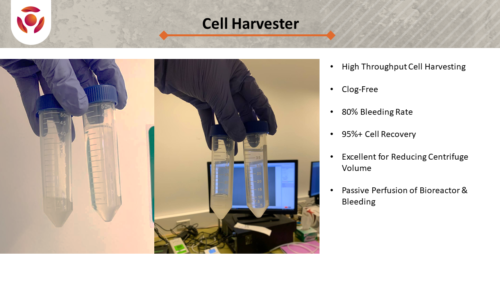
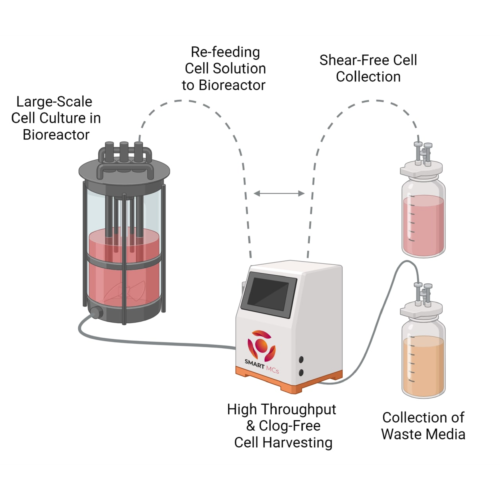
The Smart MCs Cell Harvester is a cell processing device designed for separation and recovery of cells from culture media. It operates using inertial microfluidics, where cells are guided within spiral microchannels based on their biophysical properties, enabling label-free separation from debris, dead cells, and excess liquid.
This system supports continuous processing and is suitable for applications requiring cell concentration and media reduction.
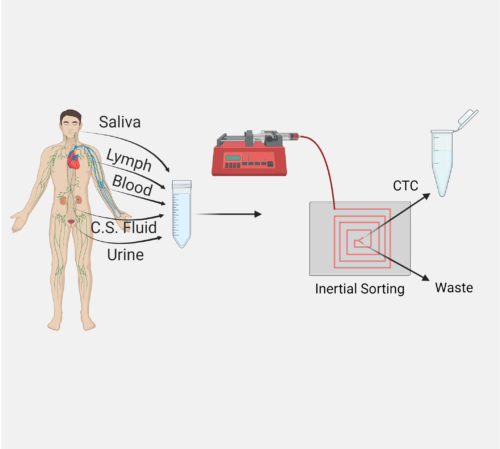
Microfluidic Device for Label-Free CTC Isolation from Blood and Biological FluidsThe Smart MCs Cell Sorting Device is a microfluidic platform designed for label-free isolation of circulating tumour cells (CTCs), including both single cells and clusters, from biological samples.
Using size-based inertial microfluidics, the device enables separation of larger CTCs from smaller blood cells without the need for antibodies or surface markers, supporting downstream analysis while preserving cellular characteristics.